
Retirement in Thailand can offer a good quality of life, but whether it is the right choice depends very much on your circumstances, expectations and priorities. There is no single formula that works for everyone, and decisions about where to live, finances, healthcare and long-term security deserve careful consideration.
This retirement hub brings together the most useful Thrive in Thailand resources for planning retirement in Thailand. Start by deciding whether Thailand is right for you, then explore locations, visas, costs, healthcare, housing and the practical steps involved in making the move.
After nearly three decades of living in Thailand, I know that life here comes with both advantages and compromises. The resources below are intended to give you the practical information and perspective you need to decide what works for you.
Retirement in Thailand: Explore the Guide
1. Is Retiring in Thailand Right for You?
2. Where to Retire in Thailand
3. Retirement Visas & Long-Term Stay
4. Cost of Retirement & Managing Your Money
5. Healthcare, Health Insurance & Long-Term Care
6. Renting, Buying & Choosing a Home
7. Preparing for the Move
8. Building a Good Life in Thailand
Is Retiring in Thailand Right for You?
Thailand offers many of the things retirees look for: a relatively affordable cost of living, good private healthcare, warm weather and a wide choice of places to live. But retirement here also means adapting to a different culture, navigating immigration requirements and accepting some practical compromises.
Before worrying about which visa to apply for or where to rent a home, it is worth asking a more fundamental question: Would you actually be happy living in Thailand long term?

Retiring in Thailand: A Comprehensive Guide for Expats
Start with the bigger picture, including retirement locations, visa options, costs and the practical realities of building a life in Thailand.

The Pros and Cons of Living in Thailand as an Expat
A balanced look at what makes Thailand attractive as a long-term home and the disadvantages that are easy to underestimate before moving.
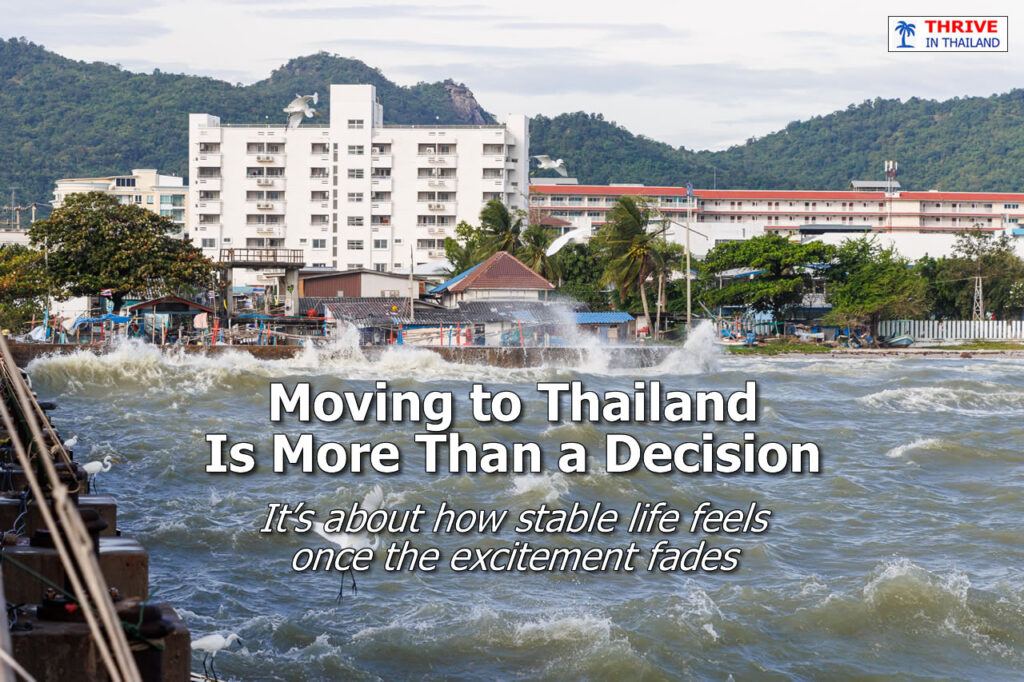
Are You Really Ready to Move to Thailand?
Use the practical self-assessment to look beyond the appeal of Thailand and consider whether your finances, expectations and circumstances are genuinely ready for the move.
Where to Retire in Thailand
Choosing where to live can make as much difference to your retirement experience as choosing Thailand itself. Bangkok, Chiang Mai, Hua Hin, Pattaya and the islands offer very different lifestyles, costs, climates and levels of convenience.
There is no universally best place to retire. The right choice depends on what matters most to you, whether that is access to healthcare, beaches, city life, a quieter environment or simply getting better value for your budget.
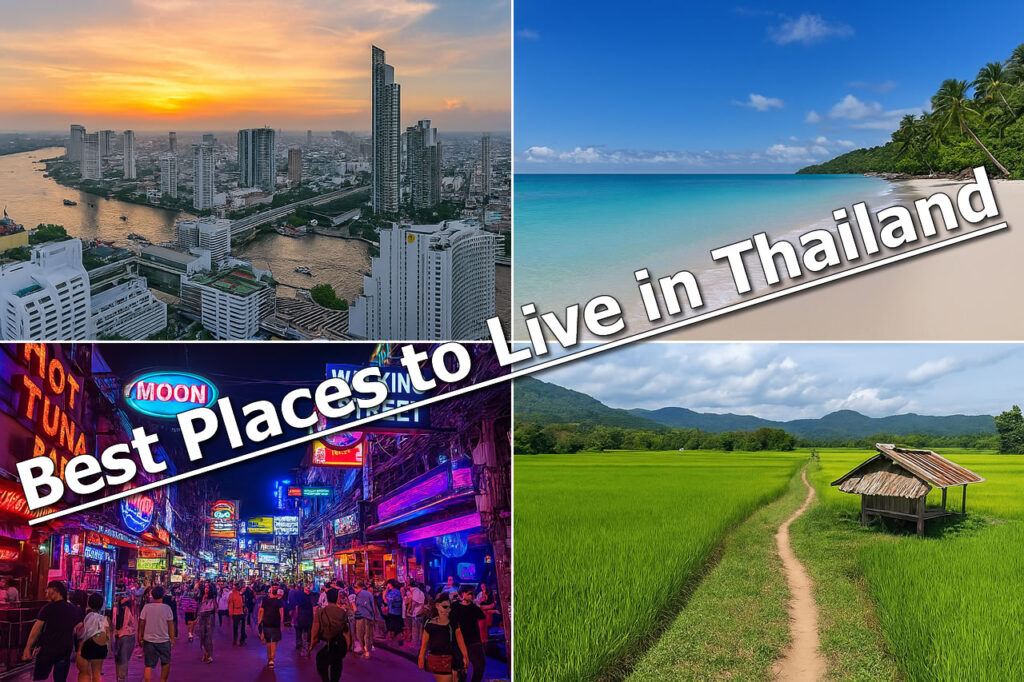
Best Places to Live in Thailand: Top Cities & Regions for Expats and Digital Nomads
Compare some of Thailand’s most popular places to live and see how they differ in lifestyle, costs, climate and practical convenience.
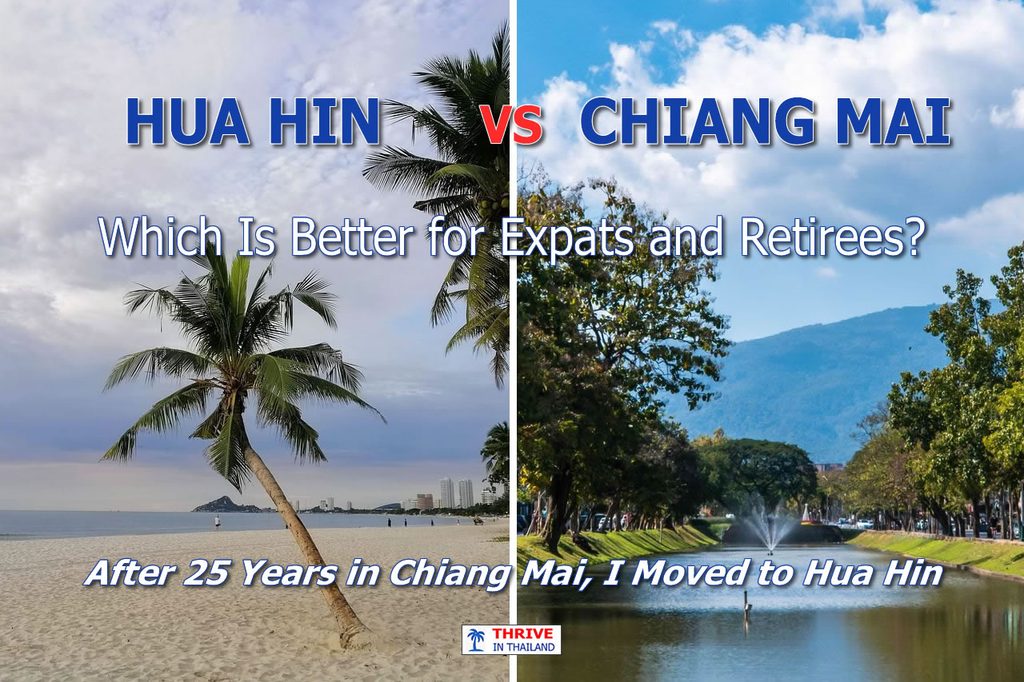
Hua Hin vs Chiang Mai: Which Is Better for Expats and Retirees?
A firsthand comparison of costs, climate, housing and everyday life after 25 years in Chiang Mai and a move to Hua Hin.
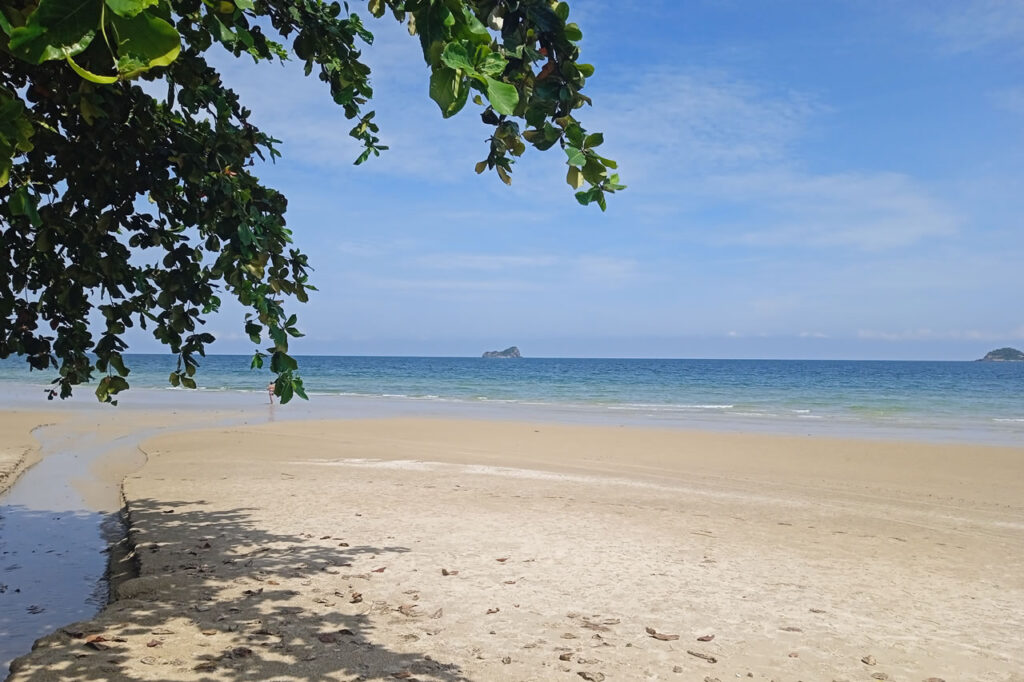
Retire in Hua Hin: Is One of Thailand’s Top Retirement Destinations Right for You?
A closer look at Hua Hin as a retirement base, including lifestyle, healthcare, costs and the practical advantages and disadvantages of living there.
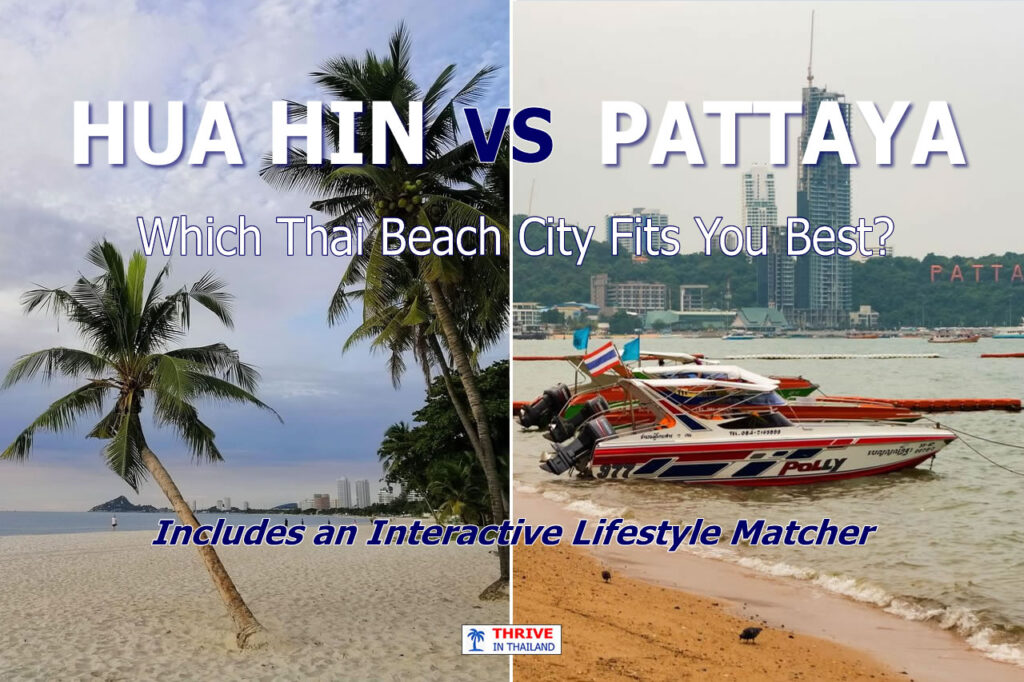
Hua Hin vs Pattaya: Compare the Cities & Discover Your Best Match
Compare two of Thailand’s established coastal expat destinations and find out which better matches your priorities and preferred lifestyle.
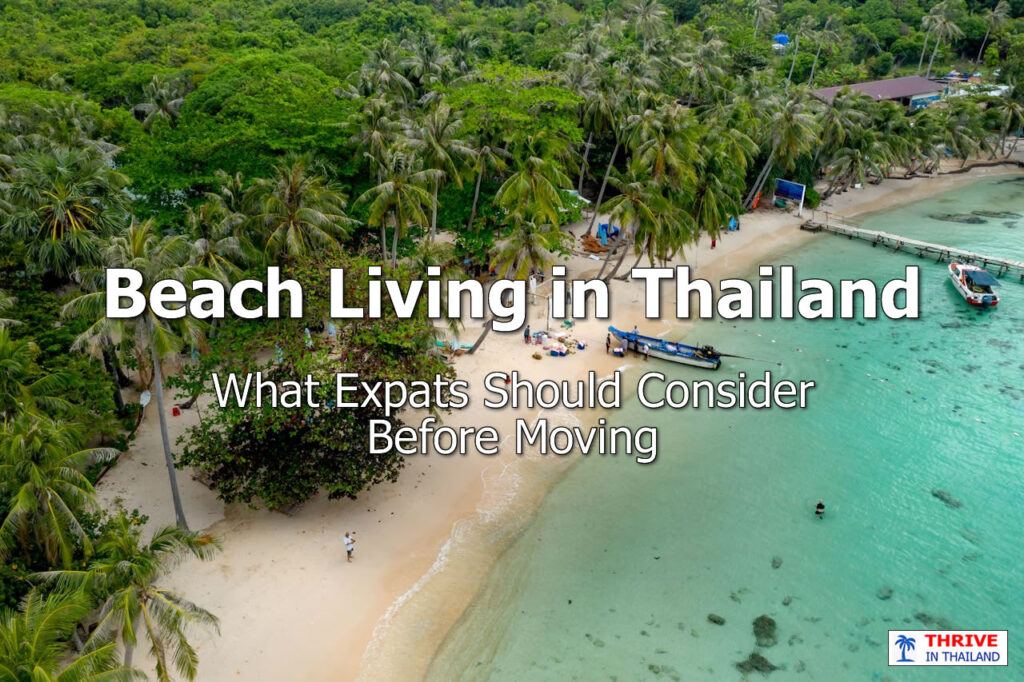
Pros and Cons of Beach Living in Thailand
Living near the sea sounds appealing, but coastal life comes with its own trade-offs. See what to consider before making the beach part of your retirement plan.
Retirement Visas & Long-Term Stay
Having a suitable long-term visa is one of the practical foundations of retiring in Thailand. The familiar retirement visas are an option for many retirees, but they are not the only way to stay in Thailand long term.
Your best choice will depend on factors such as your age, finances, nationality and how much flexibility you need. Start with the overview below, then explore the retirement-specific options in more detail.
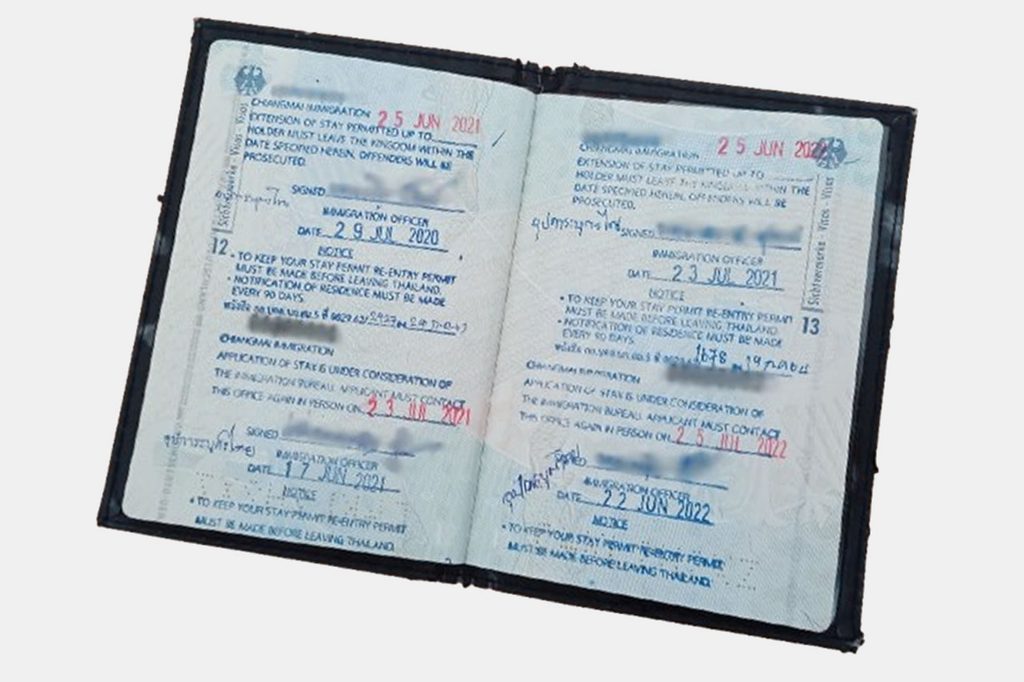
Long-Term Visa Options for Thailand: An Overview for Expats and Retirees
Compare the main options for staying in Thailand long term and get a clearer idea of which routes may suit your circumstances.
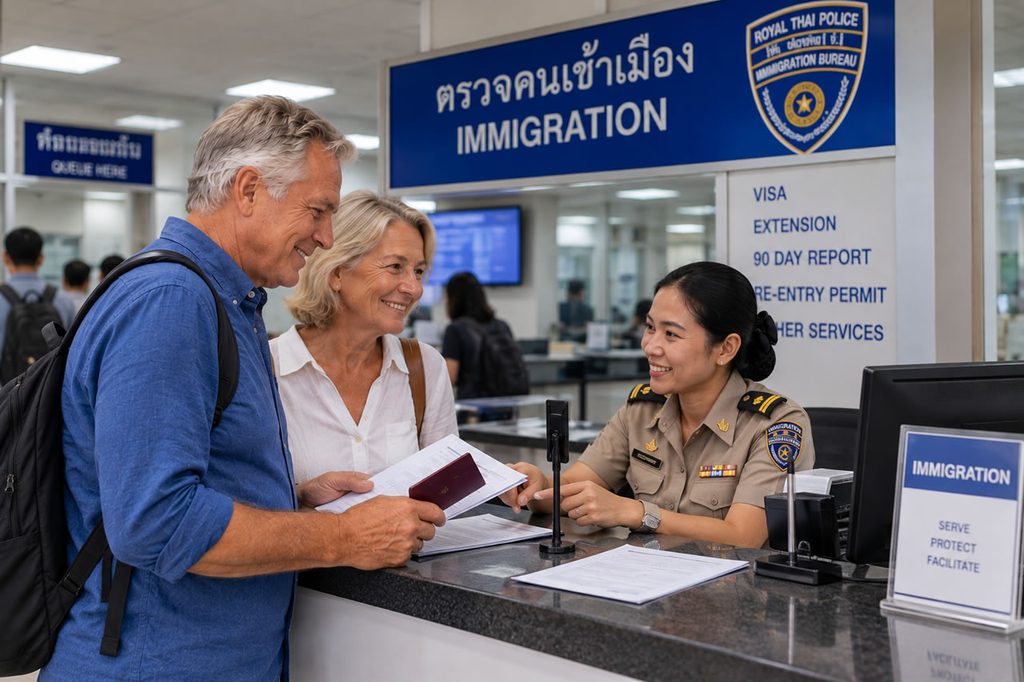
Thailand Retirement Visa (O-A) Guide: Benefits, Requirements & Application
Understand the requirements, financial conditions, insurance rules and application process for Thailand’s Non-Immigrant O-A retirement visa.
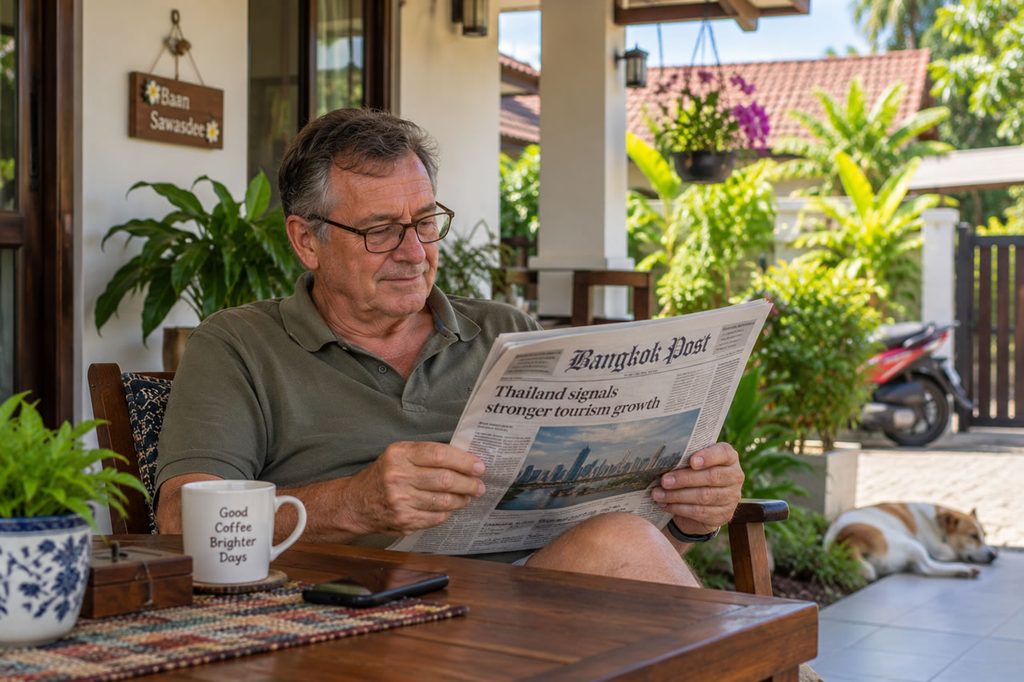
Thailand O-X Retirement Visa (10-Year Visa): Full Guide for Expats
Explore Thailand’s longer-term O-X retirement option, including who qualifies, its financial requirements and the conditions attached to it.
Retirement visas are only part of Thailand’s immigration system. Explore the Visa Hub for long-stay options, extensions, reporting requirements and other practical visa information.
Explore the Thailand Visa Hub →Cost of Retirement & Managing Your Money
Thailand can still offer good value for retirees, but the amount you need depends heavily on where and how you choose to live. Housing, healthcare, transport, eating habits and travel can easily make the difference between a relatively modest budget and a considerably more expensive lifestyle.
Understanding your likely expenses before moving is more useful than relying on a single figure for the “cost of retiring in Thailand.” These resources will help you build a more realistic picture of your own finances.

Cost of Living in Thailand: A Complete Guide for Expats
Get a practical overview of everyday expenses in Thailand, from housing and food to transport, utilities and other regular costs.
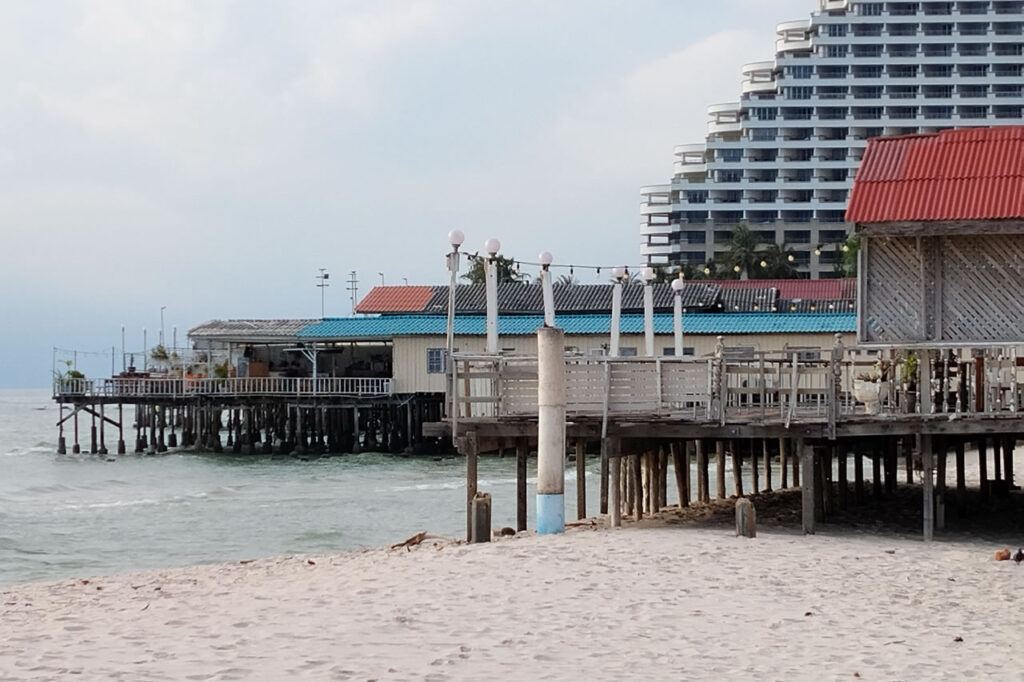
Cost of Living in Hua Hin: What Expats Really Spend
See what everyday life can cost in one of Thailand’s most popular retirement destinations, with a more local perspective than nationwide averages can provide.
Retiring in Thailand also means managing banking, international transfers, payments and taxes. Explore my Money & Banking guides for practical information on handling your finances while living in Thailand.
Explore Money & Banking →Healthcare, Health Insurance & Long-Term Care
Good healthcare is one of Thailand’s advantages as a retirement destination, but it is something worth planning for before you need it. Understanding the healthcare system, insurance options and longer-term care possibilities can help you make more realistic decisions about retirement in Thailand.
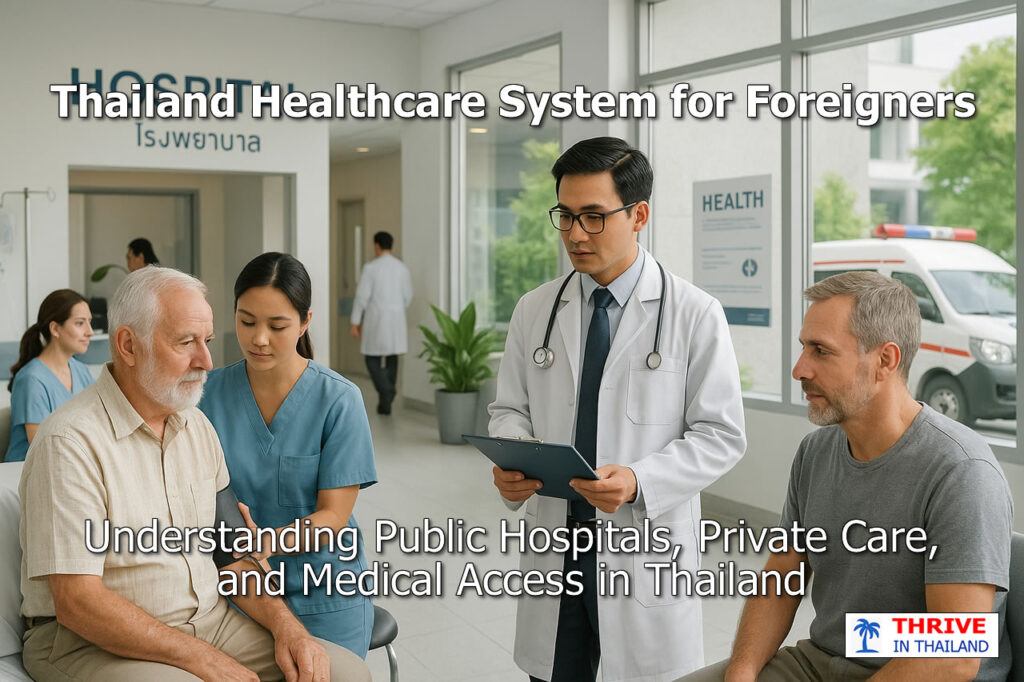
Thailand Healthcare System for Foreigners
Understand how public and private healthcare works in Thailand, what foreigners can access and what to expect when seeking medical treatment.

Thailand Health Insurance Guide
Learn how health insurance works for foreigners in Thailand, including coverage considerations, costs and the issues that become particularly important as you get older.

Health Insurance in Thailand Over 60
Indicative premiums, entry-age limits, renewal conditions and what applicants over 60 can realistically expect.

Long-Term Care in Thailand
Explore nursing care, assisted living and other long-term care options, including the practical and financial considerations for retirees who may need additional support later in life.
Healthcare needs can change considerably over the course of retirement. Explore my Healthcare section for more information on hospitals, insurance, medication, medical treatment and other healthcare topics relevant to foreigners living in Thailand.
Explore Healthcare in Thailand →Renting, Buying & Choosing a Home
Thailand offers everything from inexpensive apartments and local houses to modern condominiums and luxury villas, but the property market works differently from what many foreigners are accustomed to. Understanding your options, particularly the restrictions on foreign ownership, is important before deciding whether renting or buying makes sense for you.
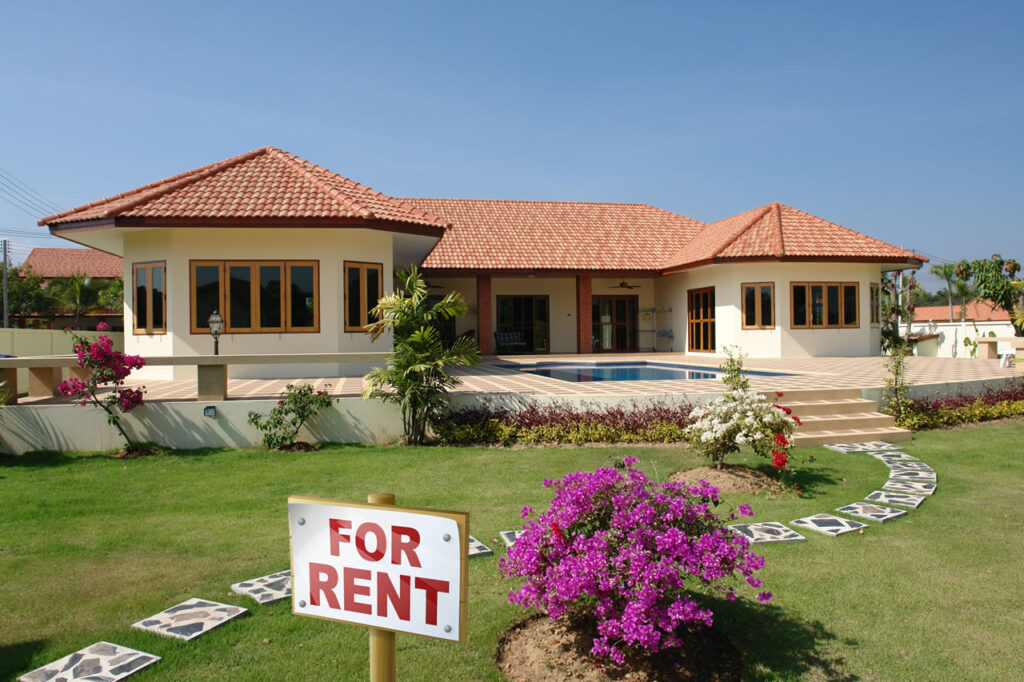
Renting Property in Thailand: A Guide for Foreigners
Understand rental agreements, deposits, typical costs and the practical issues to consider when renting a house or condominium in Thailand.
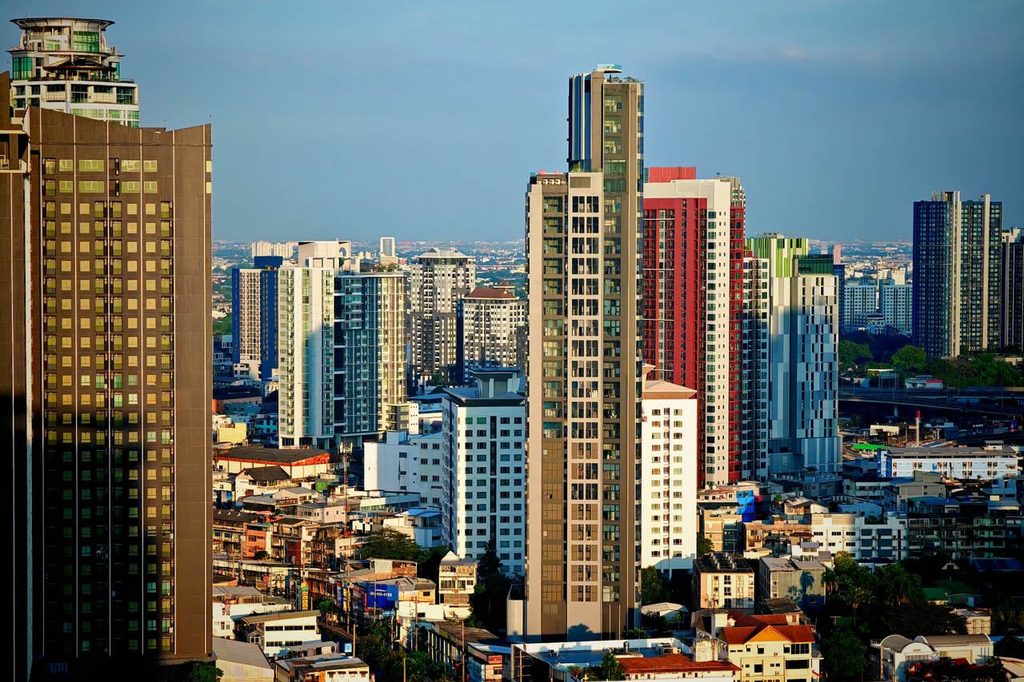
Buying a Condo in Thailand: Older, New or Off-Plan? Costs and Practical Considerations
Compare older, newly completed and off-plan condos, with practical guidance on choosing a suitable property, assessing the building and budgeting for ownership.
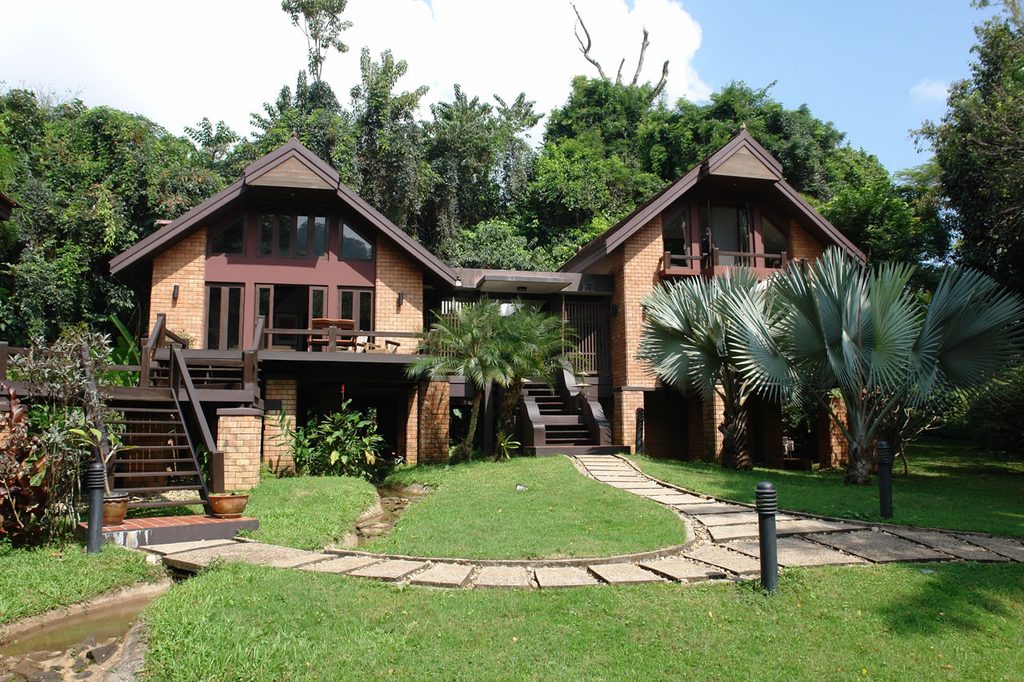
Legal Property Ownership in Thailand for Foreigners: All Options Explained
Take a deeper look at legal structures available to foreigners, including condominium ownership and the different ways property interests can be held in Thailand.
Preparing for the Move
A well-planned move does not need to be complicated, but it helps to work through the practical steps in the right order. The resources below cover both the preparation involved and the money you should have available before starting your new life in Thailand.

Moving to Thailand Checklist: Essential Steps Before You Relocate
Work through the practical steps involved in relocating to Thailand, from documents and finances to accommodation, healthcare and settling in.
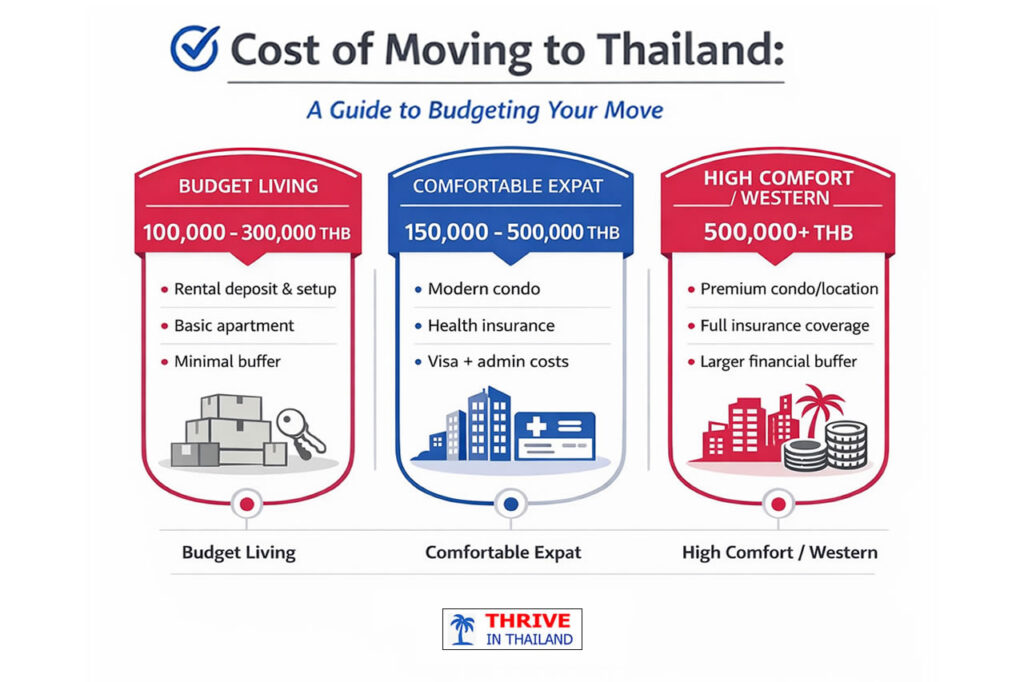
How Much Money Do You Need to Move to Thailand?
Look beyond monthly living expenses and calculate the upfront costs of relocating, including deposits, travel, setup expenses and a sensible financial buffer.
Building a Good Life in Thailand
Adapting to the culture, developing a social life and becoming comfortable with the realities of living in another country all take time. These resources look at some of the less tangible factors that can make the difference between simply living in Thailand and genuinely feeling at home here.
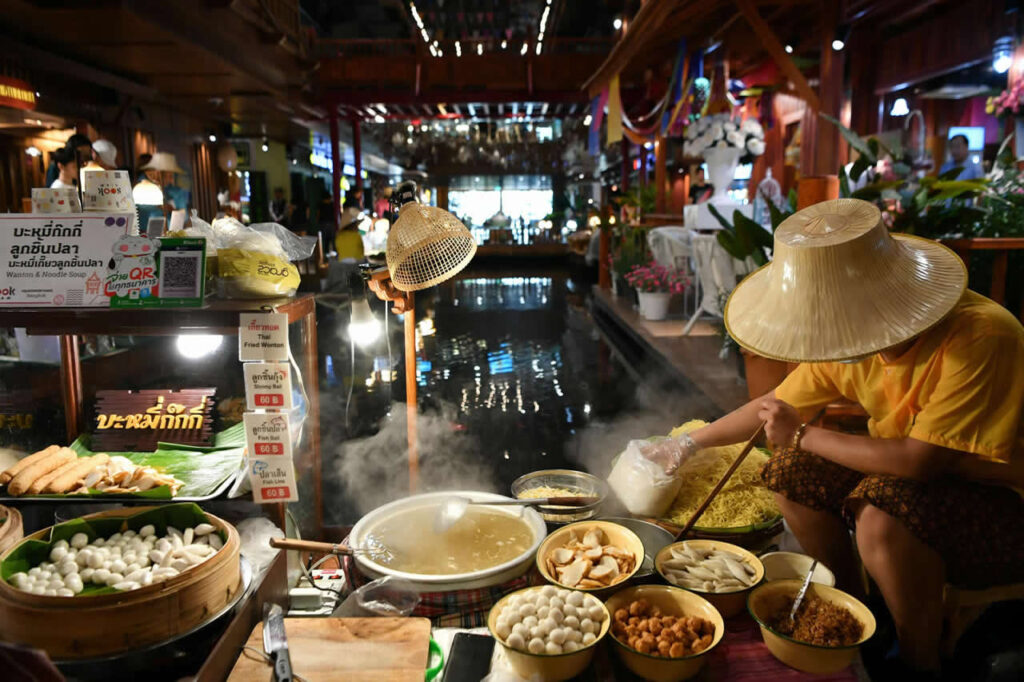
Adapting to Thai Culture: A Practical Guide for Expats
Understand some of the cultural differences that affect everyday life and learn how to navigate them without expecting Thailand to work exactly like home.

Expat Communities & Social Life in Thailand
Learn about meeting people, building friendships and developing a social network after making Thailand your home.

Why Expats Fail in Thailand: Common Mistakes & How to Avoid Them
A practical look at the expectations, financial mistakes and lifestyle choices that can turn a promising move to Thailand into a difficult one.
Retirement in Thailand can be an excellent choice, but the best decisions are usually made with realistic expectations and good preparation. Take your time, understand your options and build a retirement that suits your own priorities rather than someone else’s idea of life in Thailand.

Founder of Thrive in Thailand
Long-term expat living in Thailand—sharing culture, insights, and real-life farang wisdom, one story at a time!