
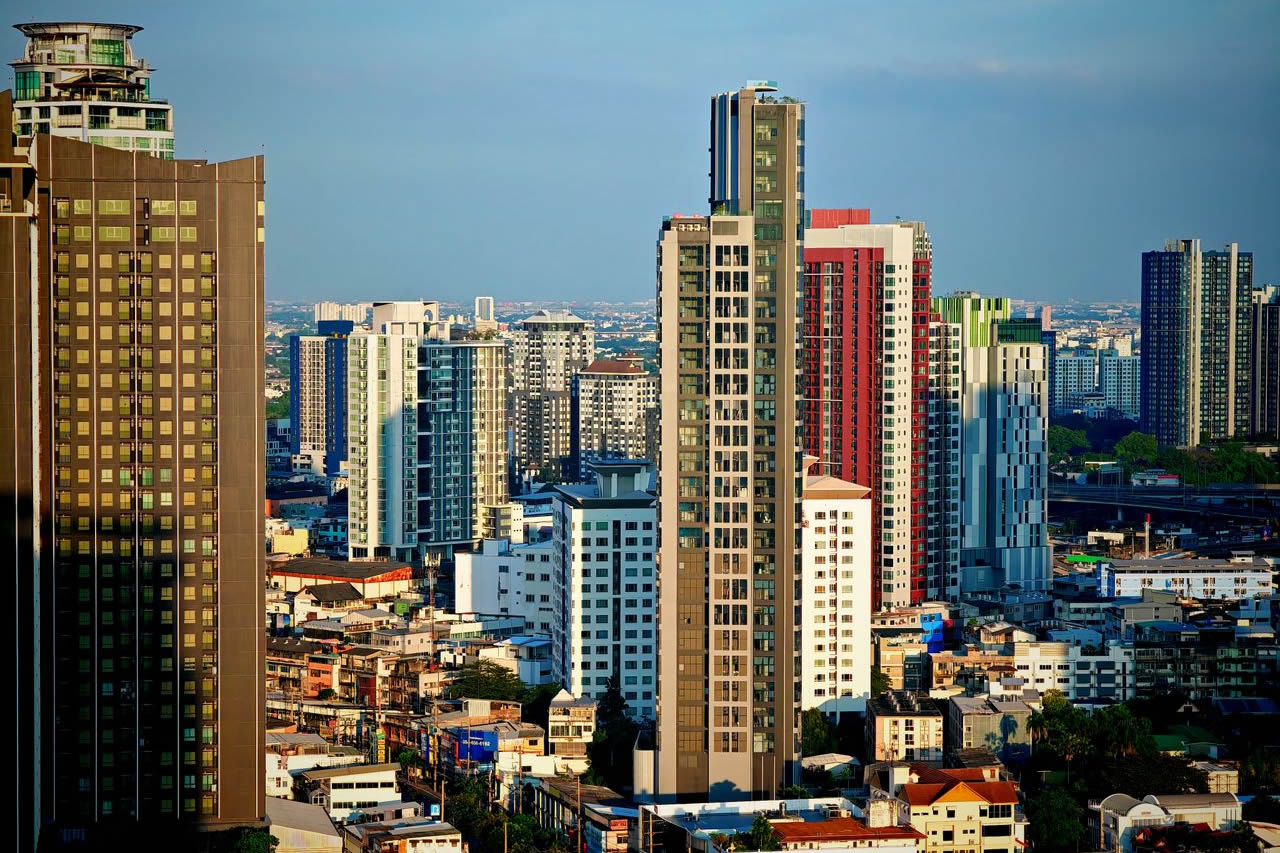
Buying a condo in Thailand may be about finding a home, securing a holiday base or investing for rental income or future resale. Your purpose will influence the location, layout and type of property that suits you, alongside how the building is managed and what ownership will cost over time.
An older resale condo may offer more space or an established location. A newly completed property gives you modern fittings and a finished unit to inspect, while buying off-plan can provide more choice of layouts and floors. Each option has advantages worth considering against your priorities.
Having run a real estate agency and worked in property development in Chiang Mai for many years, I have found that a useful assessment brings these factors together. Building age or an attractive interior tells only part of the story; maintenance, management and a realistic budget help complete the picture.
This guide outlines the foreign-ownership basics, considers different buying purposes, compares older, newly completed and off-plan condos, and explains how to assess the property and its ownership costs.
Can Foreigners Own a Condo in Thailand?
Yes. Foreigners who meet the Condominium Act’s requirements can own a registered condominium unit outright in their own name. This is commonly described as foreign freehold ownership. A Thai partner or company is not required for this route.
The Foreign Ownership Quota
Foreign ownership is generally limited to 49% of the combined floor area of all units in the registered condominium, rather than 49% of the number of apartments. The condominium juristic person provides the quota certification needed for registration at the Land Office.
For an existing condo, have the available foreign quota confirmed before committing to the purchase. For an off-plan project, the agreement should establish that the unit will be transferred into your name within the foreign quota.
Purchase Funds and Bank Documents
For most overseas buyers, the usual qualifying route involves bringing the purchase money into Thailand in foreign currency, with bank evidence supporting the ownership registration. Other qualifying routes exist, including provisions for foreigners with permanent residence.
Before transferring money, agree the payment route and required documentation with your receiving bank and lawyer. The evidence may include a Foreign Exchange Transaction form or bank confirmation, depending on the transaction. This is worth arranging at the outset so the records properly identify the buyer and the condominium purchase.
📌 For more detail on foreign ownership rules, see my guide to Legal Property Ownership in Thailand for Foreigners.
What Are You Buying the Condo For?
The purpose of your purchase helps determine which properties belong on your shortlist. A condo that makes an excellent home may offer only a modest rental return, while a unit that appeals to tenants might not provide the space or surroundings you want for yourself.
A Home for Yourself
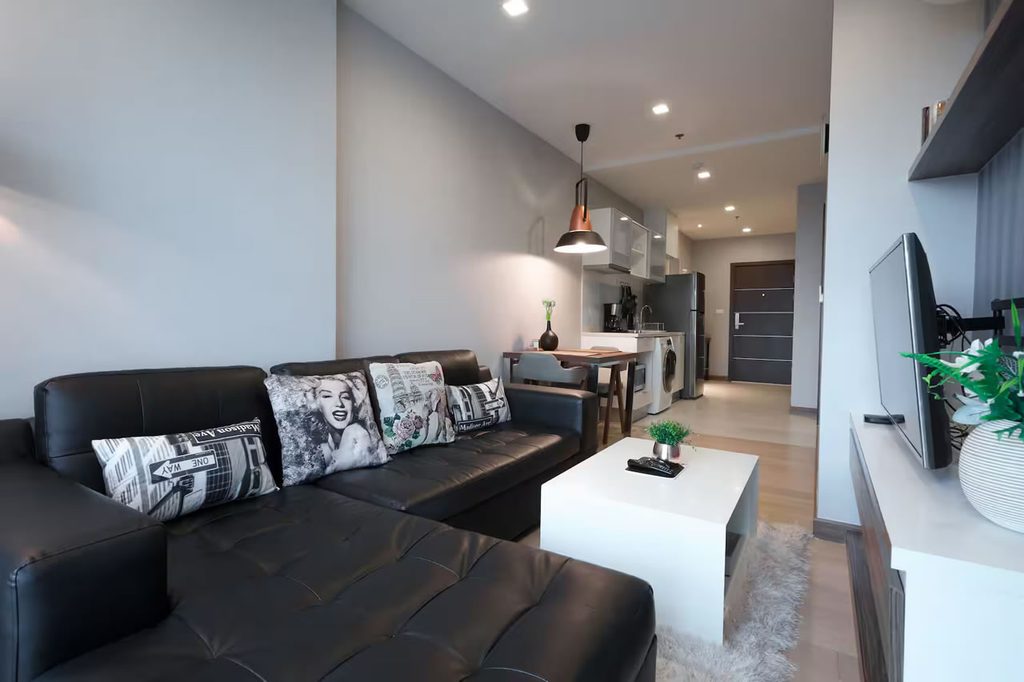
For a main home or retirement residence, everyday comfort deserves considerable weight. Layout, privacy, neighbourhood, access to services and proximity to friends or activities will shape your experience long after the purchase.
A larger older apartment might suit someone who spends much of the day at home. Someone who travels frequently may prefer a smaller unit in a convenient location with well-managed shared services. Neither choice needs to produce the highest rental yield to make sense as a home.
📌 Future resale still matters, but personal use gives you reasons to value features that another buyer might regard differently.
A Holiday Home with Occasional Rental Use
A holiday home combines personal preferences with the practicalities of leaving a property unoccupied. Management, cleaning, maintenance and someone available to handle problems become part of the ownership budget.
If you also intend to let it, establish what rental arrangements are legally permitted and allowed under the building’s rules. Daily or weekly letting can involve hotel-licensing requirements, so owning the unit does not automatically permit you to operate it as holiday accommodation.
Occasional rental income should be assessed against realistic availability: your own visits may fall during the same periods when other visitors most want accommodation.
📌 The useful question is how much the property will cost to own after any achievable rental income, alongside the value you place on using it yourself.
Rental Income or Future Resale
An investment purchase starts with demand from tenants or future buyers. Location, unit size, condition, transport and competing properties all influence that demand.
For rental income, compare achievable rents with the full cost of ownership and letting, including common fees, management, maintenance, vacancy and applicable taxes. Advertised rents provide a starting point; evidence of comparable units actually being let is more useful.
When the Rental Situation Changes
A friend bought a condo in a desirable and popular building on Chang Klan Road in Chiang Mai as a rental investment. He quickly found a tenant, and initially the arrangement worked as he had hoped.
That changed when the same developer began constructing another condominium just across the soi. His unit faced the building site, bringing considerable noise and disruption. His long-term tenant moved out.
My friend reduced the asking rent and was honest with prospective tenants about the construction. Even so, the apartment stood empty for several months. Eventually, he faced a choice between accepting a much lower rent or continuing without any rental income.
The running costs remained, but the income was substantially lower. The building was still desirable, yet the construction across the soi had changed the rental prospects of his particular unit.
Buying for capital appreciation involves a different assessment: what could support future demand, how much of that expectation is already reflected in the price, and how readily you could sell. Price growth is uncertain, and a property may take time to find a buyer.
These objectives can overlap, but it helps to identify your main priority. An off-plan unit, for example, may suit a future moving date, while a buyer seeking immediate rental income would need a completed property ready to let.
Older, Newly Completed or Off-Plan?
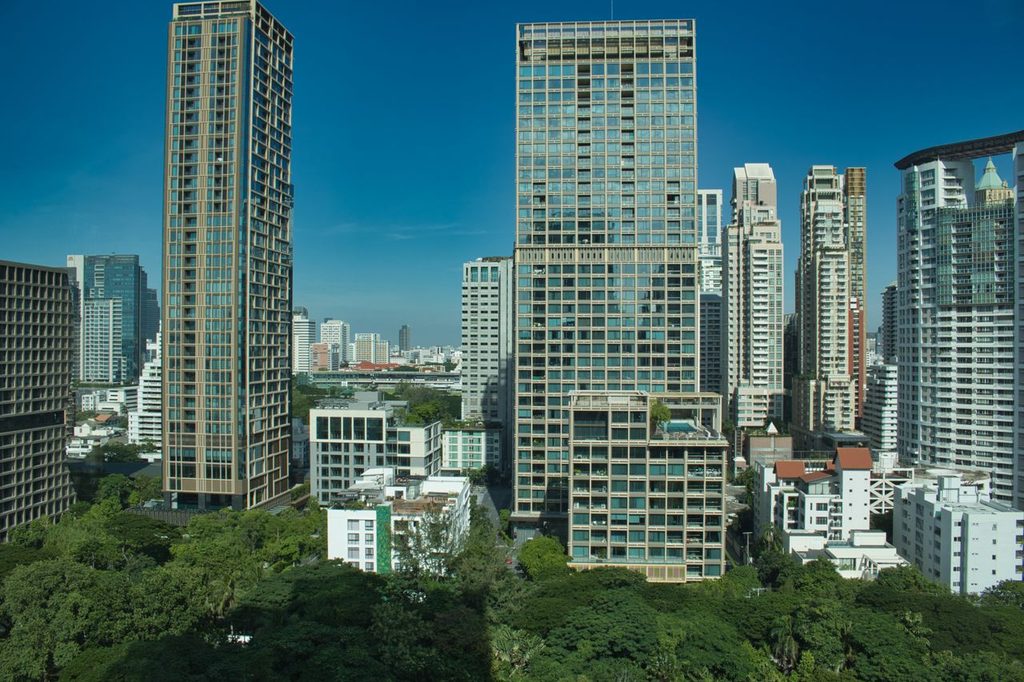
The choice depends on your budget, preferred location, purchase timetable and plans for the property. Older, newly completed and off-plan condos offer different advantages for personal use and investment.
Older Resale Condos
An older condo can be appealing if you value a generous layout or an established neighbourhood. Some buildings offer larger rooms and balconies than newer projects within a similar budget, although this varies considerably.
Newly Completed Condos
A newly completed condo may suit buyers who prefer contemporary layouts and fittings with relatively little work before moving in. You can inspect the finished unit and see the facilities, making it easier to judge whether the property suits your daily life.
Off-Plan Condos
Buying off-plan may offer an earlier choice of units, floors and layouts, with payments spread through the construction period. It can suit buyers whose moving plans are flexible and who are comfortable choosing from plans and specifications.
Condo Buying Options at a Glance
| Consideration | Older Resale Condo | Newly Completed Condo | Off-Plan Condo |
|---|---|---|---|
| Main appeal | Established location, potential space and scope to renovate | Finished new home with modern fittings | Early unit selection and staged payments |
| What you can assess | Actual unit, surroundings and building history | Finished unit, facilities and initial operations | Plans, specifications and developer’s previous work |
| Personalisation | Renovation within building rules and technical limits | Furnishing and any permitted alterations | Choices offered by the developer |
| Ready for occupation | Depends on the sale, occupancy and any renovation | Depends on readiness and transfer arrangements | Depends on construction and completion |
| Budget focus | Purchase price plus repairs or improvements | Purchase price plus furnishing and setup | Contract payments plus completion and setup costs |
The Building Matters as Much as the Unit
A condo’s shared services are part of what you are buying: maintained grounds, lifts, security and facilities without having to organise everything yourself. How well the building is run influences both everyday comfort and the cost of ownership.
In an established building, you can assess its condition and operating history. In a new development, the finished facilities, initial budget and management arrangements provide the starting point.
Maintenance and Everyday Operation
The shared areas give you a useful first impression. Clean corridors, functioning equipment and orderly parking suggest attention to daily operations. Maintenance records and conversations with management or residents help explain what happens beyond the viewing.
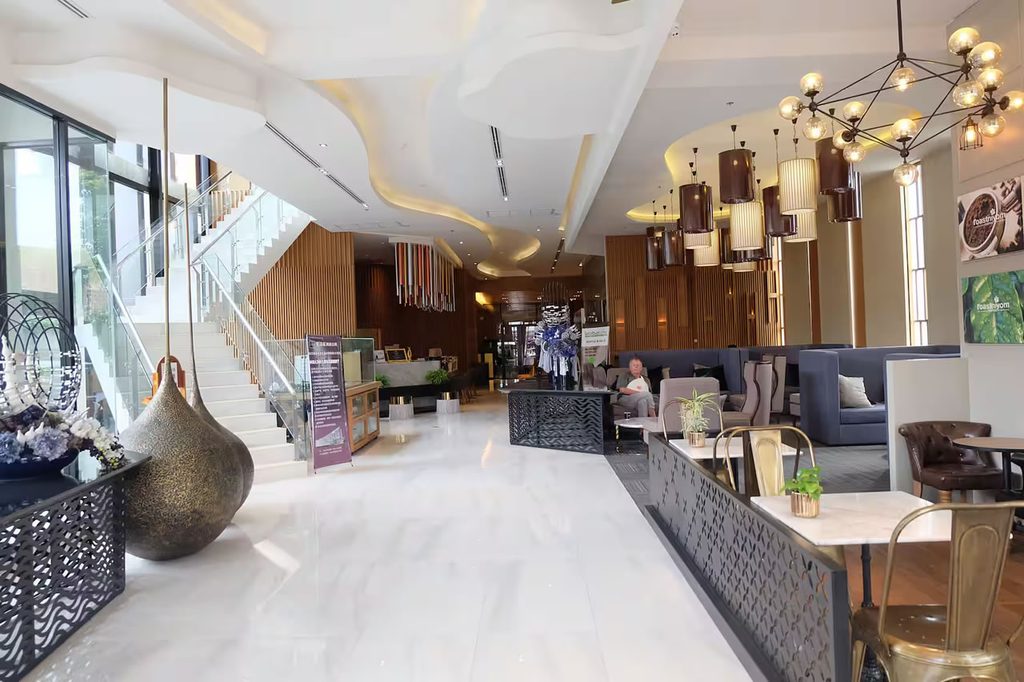
An older finish is not necessarily a concern. A building may be due for repainting while its lifts, pumps and other equipment are serviced regularly. Equally, an attractive lobby tells you little about the condition of those systems.
An Outstanding Penthouse in an Older Building
When I was working as a real estate agent in Chiang Mai, we had a 300 m² penthouse on our books at one of the city’s top addresses in the heart of Nimmanhaemin Road. It had three bedroom suites and had been completely refurbished, tastefully decorated and furnished. Unusually, the rooftop was also included under a separate title deed.
The asking price was high, but not unrealistic for what the property offered. Its drawback was the older building, which had no swimming pool or gym. The penthouse was also by far the most expensive property in the building.
We had good interest and showed it many times, but the feedback was consistently the same: the apartment was outstanding, but the building did not match it. Eventually, the Bangkok-based owner took it off the market and rented it out. Finding a tenant proved considerably easier than finding a buyer.
The most useful areas to explore are:
- Lifts and shared equipment: servicing history, reliability and planned replacements.
- Water and drainage: supply reliability, previous leaks and any flooding affecting lower floors or parking.
- Facilities: their condition, availability and how heavily they are used.
- Safety: maintained fire equipment and clear escape routes, with specialist assessment where needed.
- Parking and access: the arrangements attached to the unit and how they work in practice.
📌 A planned repair can be evidence of responsible management. What matters is whether the work has been assessed, funded and organised. Persistent damage without a clear explanation deserves further investigation.
Management and Building Rules
The condominium juristic person manages the common property, with a manager and owners’ committee overseeing its affairs. A management company may handle daily services.
For buyers, the practical value lies in having a responsive contact, organised maintenance and clear communication about spending and upcoming work. Residents can offer useful insight into how faults and complaints are handled.
📌 Building rules also help establish whether the property suits your plans. Pets, renovation work, parking and use of shared facilities are worth clarifying early, especially if one of these is central to your choice.
Finances and Future Work
Common fees fund daily operations, while reserves help provide for larger expenditure. The fee makes more sense when viewed alongside the services, the amount actually collected and the building’s maintenance needs.
For a shortlisted property, ask the seller to arrange access to:
- Recent audited accounts and the current budget.
- Common-fee rates and significant outstanding debts.
- Reserve balances and planned major works.
- Recent owners’ meeting minutes and approved additional contributions.
These documents provide context. A substantial reserve may already be allocated to a lift replacement; a forthcoming contribution may fund a sensible improvement. Low fees can work in a straightforward building with modest facilities, while extensive grounds and several pools require a different budget.
Your lawyer can help review documents and clarify obligations. An inspector or engineer can assess technical concerns, with access to shared systems arranged through management. You can then consider their findings alongside your own experience of the property.
📌 A well-run building makes shared ownership easier. The aim is to understand how it operates, what work is coming and whether its services and costs suit the home you want.
Buying an Older Condo
An older condo can be a good fit if you value space, an established location or the opportunity to create an interior to your own taste. Some have generous balconies, separate kitchens and room proportions that are harder to find in newer developments at the same price.
The distinction is between a unit that looks dated and one that needs substantial repairs. An unfashionable kitchen may function perfectly well, allowing you to make improvements gradually. Recurring leaks or deteriorated wiring need assessment before you can establish a realistic renovation budget.
Assess the Unit’s Condition
During a viewing, water pressure, drainage, air-conditioning performance and the operation of windows and doors provide useful information. Staining, musty cupboards or damaged finishes can help identify where further investigation is needed.
Previous renovation work is also relevant. A recently updated bathroom is more reassuring when the seller can explain what was replaced, who did the work and whether any underlying plumbing or waterproofing problems were addressed.
For a property you are seriously considering, an independent inspection can help distinguish routine replacements from more substantial work. Where a fault involves neighbouring apartments or shared systems, management may need to help establish its source and responsibility.
Understand the Renovation Potential
Renovation can make an older apartment particularly appealing, but the scope depends on the building and the unit. New flooring, cabinetry and decoration are different undertakings from relocating a kitchen or altering bathroom drainage.
Before obtaining detailed quotations, establish the building’s renovation arrangements: approval requirements, working hours, contractor access and any deposits or charges. A contractor familiar with condo work can assess what is feasible and include removal, delivery and waste disposal in the estimate.
An itemised quotation helps you decide what to improve immediately and what can wait. It also makes comparisons more meaningful than a broad price per square metre, especially when the work includes bathrooms, kitchens or electrical upgrades.
Consider How the Space Will Feel to Live In
An established property allows you to experience its actual surroundings. Room size, privacy, daylight and balcony use can matter more over time than the finish of the furniture.
For example, a large west-facing balcony may receive strong afternoon sun, while a smaller shaded balcony may be more comfortable during the hours you would use it. Noise from roads, neighbouring units or nearby businesses can also vary through the day, making a second visit useful.
If the outlook is an important part of the price, nearby vacant plots and potential development deserve attention. Nearby open land may belong to another owner and could be developed later.
Buying a Newly Completed Condo
A newly completed condo can suit buyers who want a finished home with contemporary fittings and relatively little preparation before moving in. You can assess the actual layout, outlook and facilities, while new equipment may reduce immediate replacement costs.
For a newly completed unit, the main considerations are the standard of the finished work, what is included and how the development will operate as residents move in.
Inspect the Finished Unit
The actual apartment gives you a much clearer basis for a decision than the showroom. Its floor, orientation and neighbouring buildings determine the light, privacy and outlook you will live with.
Compare the unit with the agreed specifications, including appliances, air conditioning, cabinetry and other fittings. Showroom furniture and decorative features may be optional, so a written inclusion list helps establish the furnishing budget.
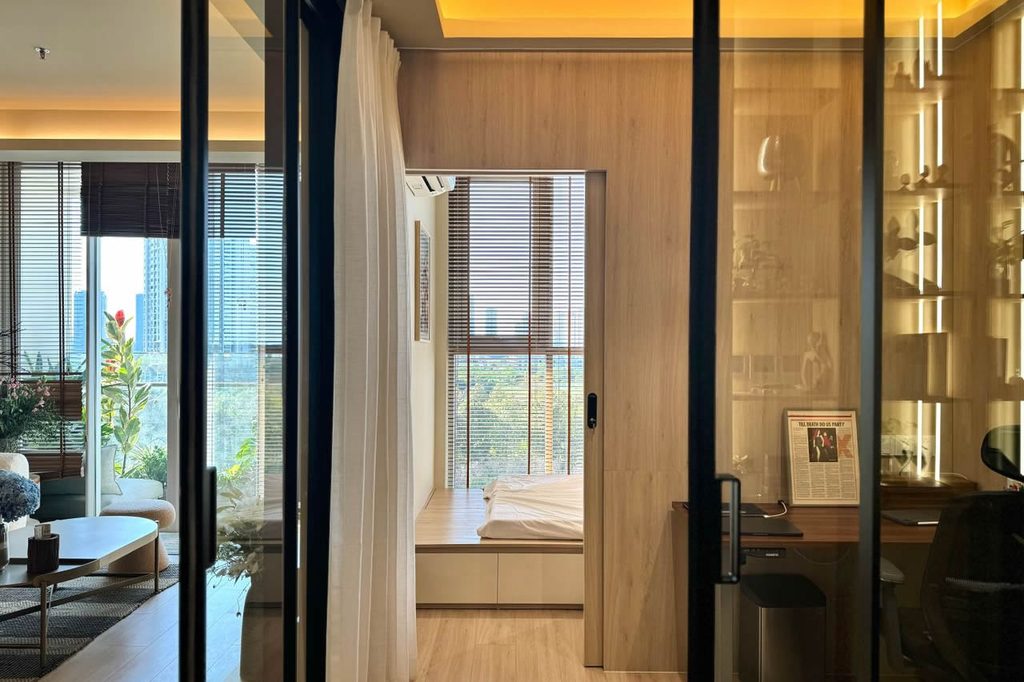
An independent handover inspection can produce a practical list of defects for the developer to address. These might range from paint touch-ups and poorly adjusted doors to drainage or installation issues requiring further work. Recording them with photographs and agreed completion dates gives both sides a clear reference.
See How Much of the Development Is Ready
A completed building may already be operating normally, or residents may be moving in while landscaping, communal areas or neighbouring units are still being finished.
The relevant questions concern your likely experience after moving in: which facilities are open, whether permanent access and parking arrangements are in place, and how much construction or fit-out activity remains. Written completion dates are useful where an unfinished facility is important to your choice.
Occupancy also provides context. A quiet building during its first months may become considerably busier as more units are occupied. The number and arrangement of lifts, parking spaces and shared facilities help you judge whether that would suit you.
Understand After-Sales Support
Clear after-sales arrangements make it easier to resolve problems during the building’s early operation. Establish who receives defect reports, how repairs are arranged and what written warranties apply to construction work and installed equipment.
Warranty periods and conditions may differ between items. If buying from an existing owner, confirm whether the remaining cover is available to you and obtain the supporting documents.
Buying Off-Plan
Buying off-plan can suit buyers who are planning ahead and want an early choice of units, floors or layouts. Payments are often spread through construction, and some developers offer choices of finishes or furnishing packages.
You are choosing a home from plans and specifications, so the developer’s previous work and the written agreement provide the main basis for assessing the purchase.
Assess the Developer’s Previous Work
Completed projects show how a developer’s designs translate into actual homes. Visiting one that has been occupied for several years can give you a useful impression of layouts, materials and how the construction has held up.
Residents may also be able to describe their experience of completion, handover and after-sales repairs. The building’s current condition will reflect subsequent management as well as the original work, so those are separate considerations.
For the proposed development, your independent lawyer can review the seller’s authority, land documents and relevant approvals, including anything still pending. This establishes the project’s legal position alongside your assessment of its location and design.
Understand the Price and Payment Commitments
An early purchase may offer a preferred unit or an attractive price, but the comparison should include completed properties nearby. Size, usable layout, outlook, inclusions and the expected completion date all affect value.
The payment schedule should make clear what is due at reservation, contract signing, during construction and at transfer. Some instalments follow calendar dates; others relate to construction milestones. Your lawyer can explain how those commitments interact with the developer’s obligations and what protection applies to payments already made.
Also establish which completion charges are fixed and which remain estimates, including fund contributions, advance common fees and any furnishing balance. This gives you a clearer picture of the money needed through to handover.
Define What Will Be Delivered
The agreement and supporting specifications should describe the unit, included fittings and common facilities in enough detail to establish what you are buying.
Particularly useful points for legal review include:
- Completion: the agreed timetable, permitted extensions and arrangements if delivery is delayed.
- Specifications: how changes to materials, layout or final unit area are handled.
- Payments: each party’s obligations, including cancellation and refund provisions.
- Handover: inspection access, defect reporting, final payment and ownership transfer.
📌 Where a view, parking arrangement or particular facility is central to your decision, have its status clarified in the documents. Brochures and sales correspondence are useful records to retain alongside the agreement.
Fit Completion into Your Plans
Off-plan purchasing works more comfortably when your moving arrangements allow some flexibility. If you need to leave a rental or relocate by a particular date, include alternative accommodation in your planning.
Handover may also take place while later phases or neighbouring units are still being finished. Knowing the development sequence helps you judge what the first months of living there are likely to involve.
What Condo Ownership Actually Costs
The purchase price accounts for most of the initial spending, but transfer charges, building contributions and preparing the unit also belong in your budget. After purchase, common fees form a predictable expense, alongside utilities, insurance and maintenance.
The figures below show how these costs work. Building rates and payment allocations are illustrative unless identified as a published price. The actual amounts should come from the purchase agreement, management office and professional quotations.
Purchase and Setup Costs
Transfer fees and transaction taxes
The standard ownership-transfer fee is 2% of the official appraised value, which may differ from the purchase price. On an appraised value of ฿3 million, that produces a total transfer fee of ฿60,000. If the agreement splits that fee equally, the buyer’s share is ฿30,000. Confirm the applicable rate and allocation for your transaction.
Withholding tax and either specific business tax or stamp duty may also arise. These are separate from the transfer fee; the buyer’s budget should reflect the charges allocated to them under the agreement. An itemised calculation from your lawyer makes that distinction clear.
Legal advice and inspections
Legal fees depend on whether the work covers document review, due diligence, transfer representation or a broader service. Obtain a quotation specifying what is included.
📌 Inspection fees vary with the unit’s size, location and the scope of the report. For the worked example below, allow ฿5,000 as an illustrative inspection budget, with the actual amount confirmed by quotation.
Sinking fund and advance common fees
New developments commonly collect an initial sinking-fund contribution to establish reserves for major shared expenditure. At an illustrative ฿500 per square metre, a 60 m² unit would require ฿30,000.
Advance common fees can be another handover payment. For the same unit at ฿50 per square metre per month, twelve months costs ฿36,000. This pays the first year’s common fees upfront; it is not an additional charge on top of those fees.
📌 For a resale purchase, management can confirm whether any fund contribution or approved building charge is payable by the incoming owner.
Furnishing, improvements and payment costs
A list of included furniture and equipment helps establish what you still need to buy. Furniture, curtains, appliances and air conditioning can materially change the setup budget, while renovation needs an itemised quotation based on the unit’s condition.
When bringing money from overseas, allow for transfer charges and currency conversion. On a purchase involving several million baht, exchange-rate movements can noticeably affect the amount required in your home currency.
Example of Initial Costs Beyond the Purchase Price
This example assumes a 60 m² newly completed condo, an official appraised value of ฿3 million, and an equal split of the standard transfer fee.
| Item | Basis | Amount |
|---|---|---|
| Buyer’s transfer-fee share | Half of 2% of ฿3 million | ฿30,000 |
| Inspection | Illustrative allowance | ฿5,000 |
| Initial sinking fund | Assumed ฿500 × 60 m² | ฿30,000 |
| First year’s common fees | Assumed ฿50 × 60 m² × 12 months | ฿36,000 |
| Subtotal for these items | ฿101,000 |
📌 This subtotal excludes legal fees, other transaction charges allocated to the buyer, furnishing, renovation and utility setup. Project promotions may also include or waive particular charges.
Regular Common Fees
Common fees fund shared services such as security, cleaning, management, lift servicing and pool maintenance. The unit’s size and the building’s rate determine the charge.

For a 60 m² condo, different illustrative rates produce the following budgets:
| Monthly Rate per m² | Monthly Common Fee | Annual Common Fee |
|---|---|---|
| ฿30 | ฿1,800 | ฿21,600 |
| ฿50 | ฿3,000 | ฿36,000 |
| ฿80 | ฿4,800 | ฿57,600 |
📌 These are calculation examples, not fixed categories or a nationwide price range. The actual fee depends on the building, and payment may be collected annually or at other intervals.
Common fees continue while the unit is unoccupied. For someone using the condo only a few months each year, they remain part of the annual ownership cost.
Other Running Costs and Maintenance
Electricity and water depend largely on occupancy and usage, particularly air conditioning. Previous bills from an occupied unit can provide a useful reference, although your own consumption may differ.
Add internet, insurance and any land and building tax payable. The building’s insurance policy helps establish what additional cover is appropriate for your unit, while the local authority can confirm its tax assessment.

For maintenance inside the apartment, a personal allowance makes occasional bills easier to absorb. Setting aside ฿1,000 a month, for example, creates ฿12,000 a year towards servicing and replacements. This is a budgeting choice, not a forecast: older equipment or substantial repairs may require more.
In the example with common fees of ฿50/m², annual common fees of ฿36,000 plus that maintenance allowance give a starting budget of ฿48,000 a year, before utilities, insurance, tax and other services. In the initial-cost example above, the first year’s ฿36,000 common fees have already been paid upfront.
Shared building works are separate. Reserves may cover repainting or equipment replacement, while some projects require additional owner contributions. Planned works and approved charges provide a better basis for budgeting than a general estimate.
📌 For a rental investment, also include letting and management fees, vacancy and maintenance between tenancies when assessing net income. The useful total is what the property costs to own and operate for your intended purpose.
Before Committing to a Purchase
Once you have found a suitable condo, the final stage brings together your assessment of the property, the ownership arrangements and the agreed costs.
Your lawyer can confirm the seller’s authority, title position and foreign-ownership eligibility, alongside the payment and transfer requirements. The inspection findings and any agreed repairs should also be reflected in the arrangements for completing the purchase.
Before paying a reservation fee or deposit, establish what the payment secures, the conditions for a refund and the timetable for signing the purchase agreement. Any matters still under review can then be addressed explicitly.
📌 For an overview of the purchase process, see my guide to How to Buy Property in Thailand as a Foreigner.
The best choice depends on your purpose for buying. For personal use, comfort and location may carry the most weight; for an investment, achievable income and resale prospects become more important. A clear purpose, an understanding of the property and a realistic ownership budget provide a useful basis for deciding.
💬 Are you considering buying a condo in Thailand, or have you already bought one? Share your questions or experiences in the comments below.