
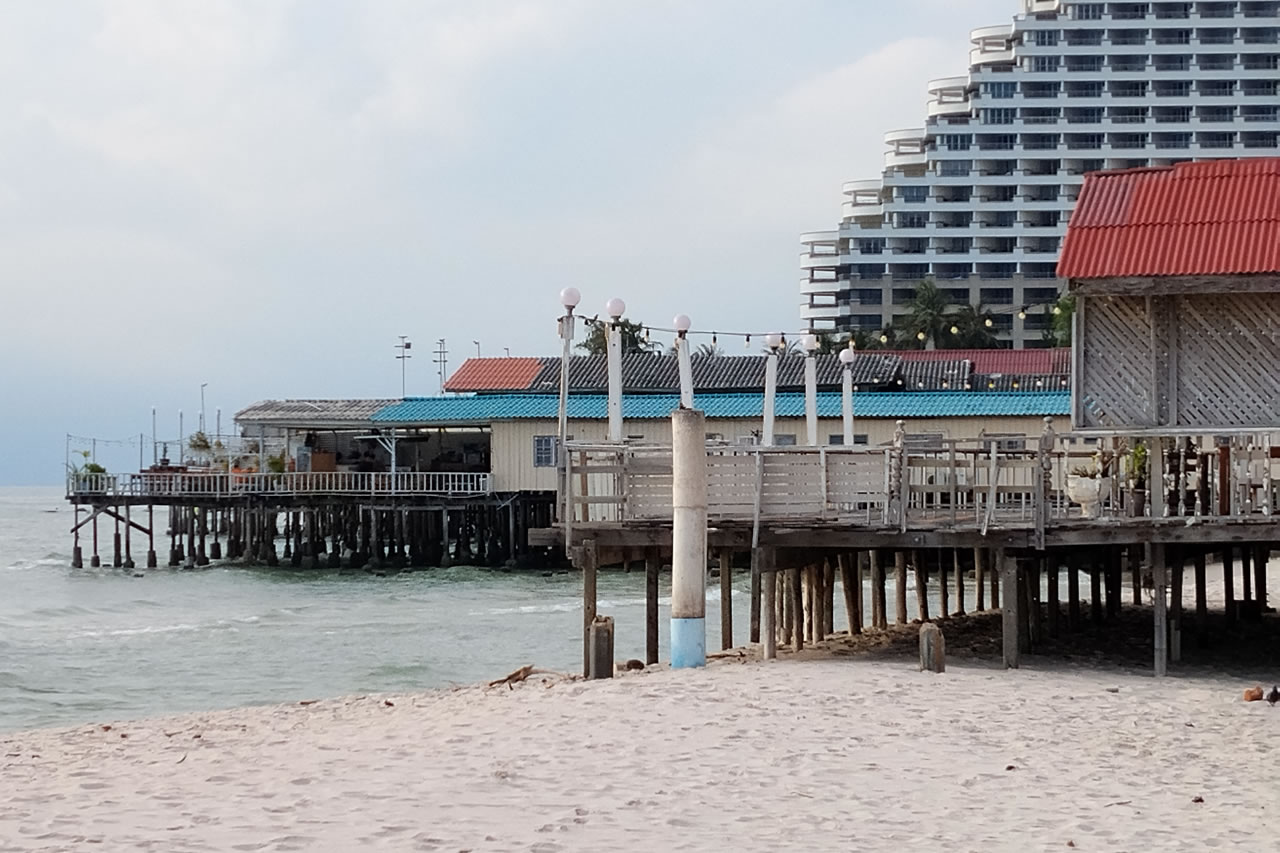
Hua Hin has long been one of Thailand’s most popular destinations for retirees, long-stay expats, and people looking for a calmer alternative to Bangkok or the country’s busier tourist hotspots. It offers a comfortable mix of modern conveniences, good healthcare, beach access, and a more relaxed pace of life that appeals to many foreigners planning to stay in Thailand long term.
At the same time, Hua Hin is not the ultra-cheap beach town some people imagine before arriving. While daily life can still be very affordable by Western standards, actual living costs vary significantly depending on your lifestyle, housing choices, transportation, and how often you rely on imported goods, Western restaurants, or private healthcare.
Compared to places like Phuket or central Bangkok, Hua Hin generally offers better value for money and a less hectic environment. But it is usually more expensive than smaller Thai towns or inland areas, especially if you want to live close to the beach or in one of the more popular expat neighborhoods.
After living in Thailand for many years and spending a lot of time in Hua Hin, I’ve found that the town works especially well for people looking for balance. You can live relatively simply here on a modest budget, or enjoy a very comfortable lifestyle without reaching the costs often associated with larger international cities.
✅ In this guide, I’ll break down what expats really spend in Hua Hin, including realistic costs for housing, food, transportation, healthcare, utilities, and everyday life.
Is Hua Hin Expensive?
By Thai standards, Hua Hin sits somewhere in the middle when it comes to cost of living. It’s generally more affordable than Bangkok and noticeably cheaper than Phuket in many areas, but it’s not one of Thailand’s lowest-cost destinations either.
For most expats, the biggest factor is lifestyle rather than the town itself. Someone renting a simple condo, eating mostly Thai food, and living quietly can spend surprisingly little in Hua Hin. On the other hand, costs rise quickly if you prefer pool villas, imported groceries, regular nights out, golf memberships, or frequent dining at Western restaurants.
Housing is usually the largest monthly expense. Beachfront condos and modern villas in popular expat areas can become expensive by Thai standards, while properties slightly inland often offer far better value. Transportation also plays a role. Hua Hin is fairly spread out, and many residents eventually choose to own or rent a scooter or car for convenience.
One area where Hua Hin performs particularly well is overall livability relative to cost. The town offers good infrastructure, modern shopping malls, reliable internet, quality hospitals, international restaurants, and a strong expat community without the intensity and pricing often found in larger tourist centers.
📌 For retirees and long-stay expats especially, Hua Hin often hits a comfortable middle ground. It’s developed enough to feel convenient, but still relaxed enough to avoid some of the higher costs and faster pace associated with Bangkok or Phuket.
Average Monthly Cost of Living in Hua Hin
The cost of living in Hua Hin can vary quite a bit depending on housing choices, lifestyle habits, transportation, and how often you rely on Western comforts or imported products. For most expats, accommodation is the largest factor, followed by food, healthcare, and transportation.
A simple local lifestyle can still be relatively affordable, especially for singles or couples who eat mostly Thai food and don’t require luxury housing. At the same time, Hua Hin also makes it very easy to spend considerably more if you prefer modern condos near the beach, frequent dining out, golf, nightlife, or regular travel.
The estimates below reflect realistic long-term living costs for expats rather than short vacation budgets.
| Lifestyle | Single Person | Couple | Typical Lifestyle |
|---|---|---|---|
| Budget-Conscious | ฿35,000–฿50,000 | ฿55,000–฿75,000 | Simple condo or house, mostly Thai food, scooter, modest entertainment |
| Comfortable Lifestyle | ฿55,000–฿85,000 | ฿80,000–฿120,000 | Modern condo or house, mixed Thai and Western lifestyle, regular dining out, healthcare and insurance included |
| Higher-End Lifestyle | ฿100,000+ | ฿150,000+ | Pool villa, car ownership, golf, imported products, private healthcare, frequent dining and travel |
📌 It’s also worth keeping in mind that some expenses are highly individual and not fully reflected in these estimates. International school fees, major medical treatments, visa-related costs, and frequent international travel can increase monthly spending significantly for some households.
Housing Costs in Hua Hin
Housing is usually the biggest monthly expense for most expats living in Hua Hin. The good news is that the town still offers a fairly wide range of options, from modest local apartments to modern beachfront condos and large pool villas.
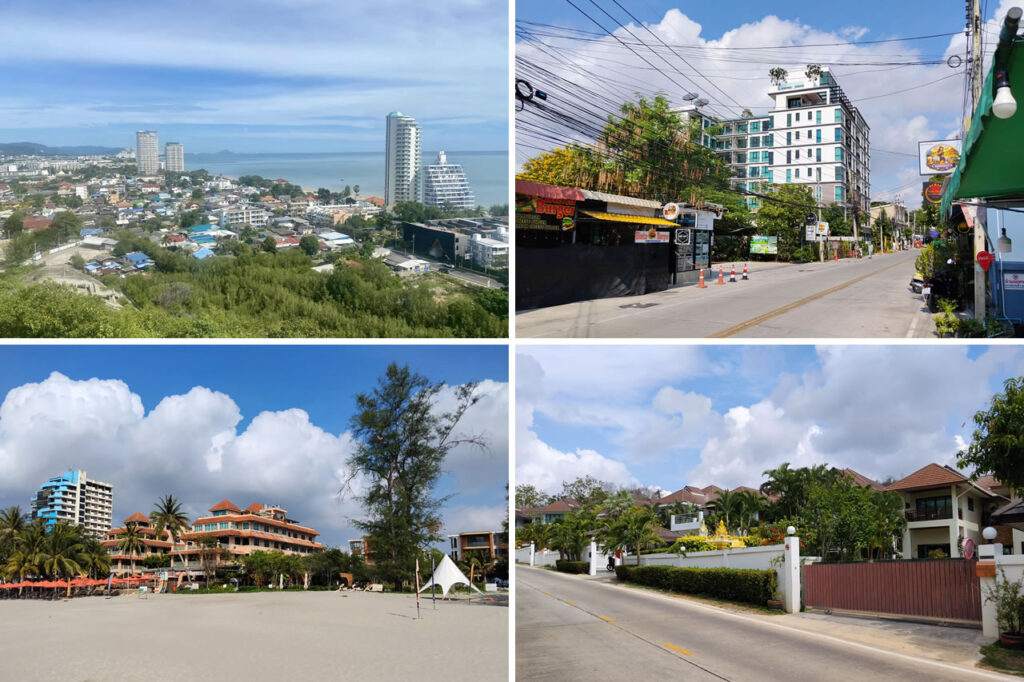
One of the reasons many foreigners choose Hua Hin is that housing often feels more spacious and better value compared to Bangkok or Phuket. At the same time, prices can vary considerably depending on location, property quality, proximity to the beach, and whether you rent short-term or sign a longer lease.
In general, the closer you are to the beach, shopping malls, and the main expat areas, the higher prices tend to be.
Condos
Condos are one of the most common choices for singles, retirees, and digital nomads. Smaller studios and older one-bedroom units can still be found at relatively affordable prices, especially away from the beachfront areas.
Modern condos with pools, gyms, security, and good locations naturally cost more, particularly around central Hua Hin, Khao Takiab, and the areas near Bluport and Market Village.
As a rough guide:
- Basic local-style condos: around ฿6,000–฿12,000 per month
- Modern one-bedroom condos: around ฿12,000–฿25,000+
- Beachfront or luxury condos: ฿30,000+ depending on size and season
In practice, many long-term expats in Hua Hin end up somewhere in the middle range. A modern one-bedroom condo with pool access, security, and a decent location near Bluport or Market Village will often fall around the ฿15,000–฿25,000 range on a longer lease, depending on building quality and distance from the beach.
📌 One thing many newcomers underestimate is the difference between short-term and long-term pricing. Monthly vacation rentals can be significantly more expensive than signing a proper 6- or 12-month lease locally.
Houses and Townhouses
For couples or long-term residents, houses often offer better overall value than condos, especially if you want more space, parking, storage, or a quieter residential environment.
Townhouses and detached homes become more common slightly inland or outside the center. Areas west of Hua Hin and around Hin Lek Fai, for example, often provide considerably more living space for the money compared to beachfront locations.
Many expats are surprised how much more space they can get once they move slightly inland, especially compared to similarly priced condos near the beach.
Typical long-term rental ranges are roughly:
- Basic Thai-style houses: ฿8,000–฿15,000
- Modern townhouses or smaller homes: ฿15,000–฿30,000
- Larger expat-style homes and villas: ฿30,000–฿60,000+
📌 In many cases, renting a house also means you’ll benefit from having your own transportation, since residential areas are often spread out.
Pool Villas
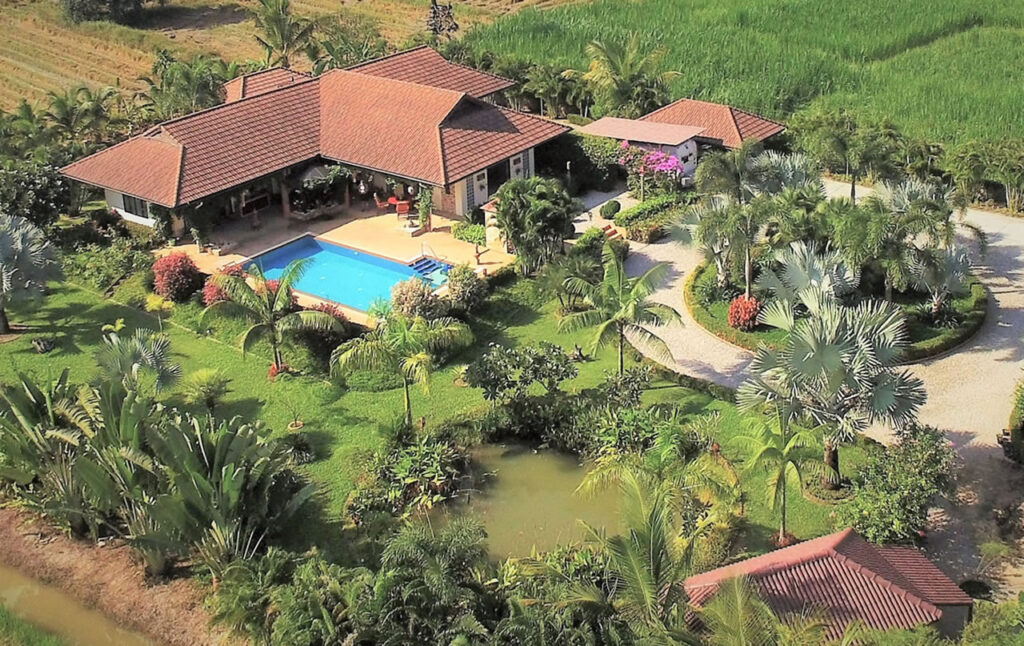
Pool villas are especially popular with retirees, couples, and higher-end long-stay expats. Compared to many Western countries, private pool living in Thailand can still feel surprisingly accessible financially.
Typical long-term rental prices for pool villas often start around ฿35,000–฿60,000 for simpler developments inland, while larger or more luxurious villas can easily exceed ฿100,000 per month depending on size, location, and amenities.
Living in a pool villa also tends to come with a generally higher overall lifestyle cost, particularly once utilities, maintenance, and transportation are factored in.
📌 Most pool villa developments are located inland rather than directly on the beach, particularly west of Hua Hin town.
Location Matters
Different parts of Hua Hin offer very different lifestyles and pricing levels.
- Central Hua Hin provides the most convenience, but usually comes with higher rents and more traffic.
- Khao Takiab combines beach access with a slightly more relaxed atmosphere and remains very popular with expats.
- Nong Kae and the areas around Bluport offer a balance between convenience and quieter residential living.
- Hin Lek Fai and inland neighborhoods often provide larger houses and better value, but require transportation.
- Cha-Am can sometimes offer lower rental prices, although it has a different atmosphere and a smaller expat scene compared to Hua Hin itself.
📌 Planning a longer stay or thinking about relocating? See the full guide to where to live in Hua Hin, including neighborhood breakdowns, rental insights, and lifestyle differences between the town’s most popular expat areas.
Food and Grocery Costs
Food is one area where living in Hua Hin can either remain very affordable or become surprisingly expensive depending on your habits. The town offers everything from inexpensive local markets and street food to upscale restaurants, imported groceries, and beachfront dining.
For many expats, food spending gradually increases over time simply because Hua Hin has a large selection of Western restaurants, cafes, bakeries, and specialty stores that make it easy to maintain familiar habits from back home.
At the same time, people who enjoy Thai food and shop locally can still keep their monthly food budget relatively modest.
For many expats, monthly food spending in Hua Hin often falls somewhere between ฿8,000–฿15,000 for a simpler lifestyle focused mainly on Thai food and local shopping. A more Western-oriented lifestyle with regular restaurant visits, imported groceries, wine, and cafe habits can easily push food spending well beyond ฿20,000–฿30,000 per month for a couple.
Eating Thai Food
Local Thai food remains one of the best values in Hua Hin. Markets, food courts, and small family-run restaurants offer a wide variety of meals at prices that are still very reasonable by international standards.
Typical prices are roughly:
- Street food or simple Thai meals: ฿50–฿100
- Food court meals: ฿60–฿120
- Seafood at local restaurants: varies widely depending on location and freshness
📌 Night markets and local restaurants are often where Hua Hin feels both most authentic and most affordable. Fresh seafood is also widely available, especially compared to many inland parts of Thailand.
Western Food and Restaurants
Western food is where costs can rise quickly. Hua Hin has a strong expat and tourist presence, so there’s no shortage of international restaurants, wine bars, cafes, bakeries, and imported products.
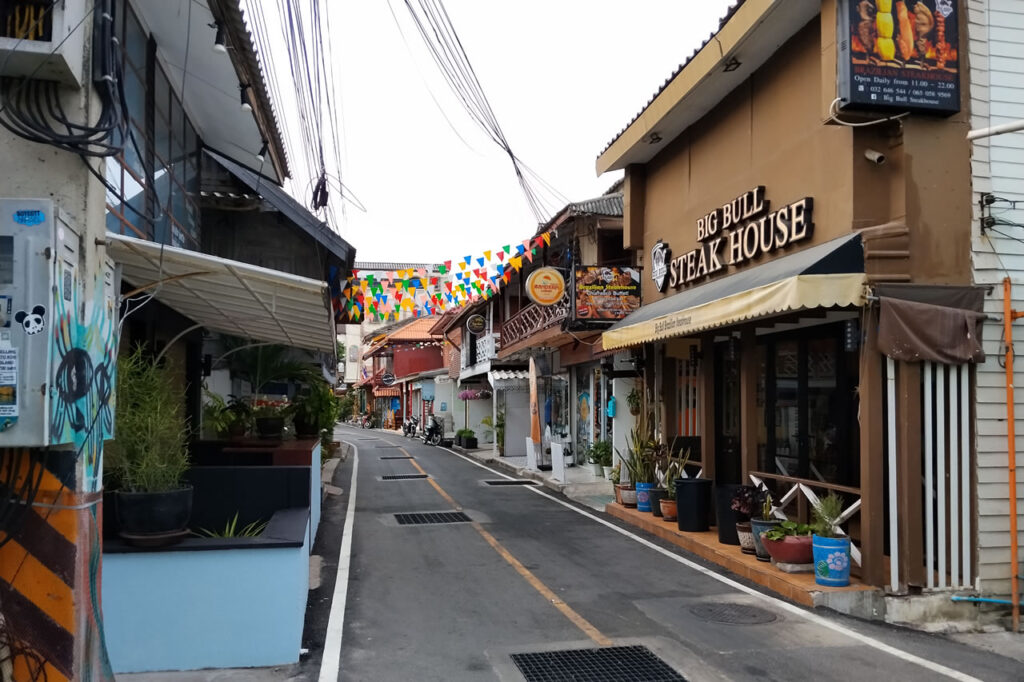
Breakfast cafes, pizzas, steaks, burgers, and imported cheeses all come at noticeably higher prices than local Thai meals. Regular dining at Western restaurants can easily become one of the larger lifestyle expenses for some expats.
This is especially true for people who maintain many of the same dining habits they had back home rather than gradually adapting to local eating patterns.
A casual Western meal often costs:
- Simple cafe meal: ฿150–฿300
- Mid-range restaurant: ฿300–฿700+ per person
- Imported steak or wine dinners: considerably more
Grocery Shopping
Most expats in Hua Hin shop across a mix of supermarkets, convenience stores, and local fresh markets.
Common options include:
- Lotus’s and Big C for general groceries
- Makro for bulk shopping
- Villa Market for imported products
- Local fresh markets for vegetables, seafood, and Thai ingredients

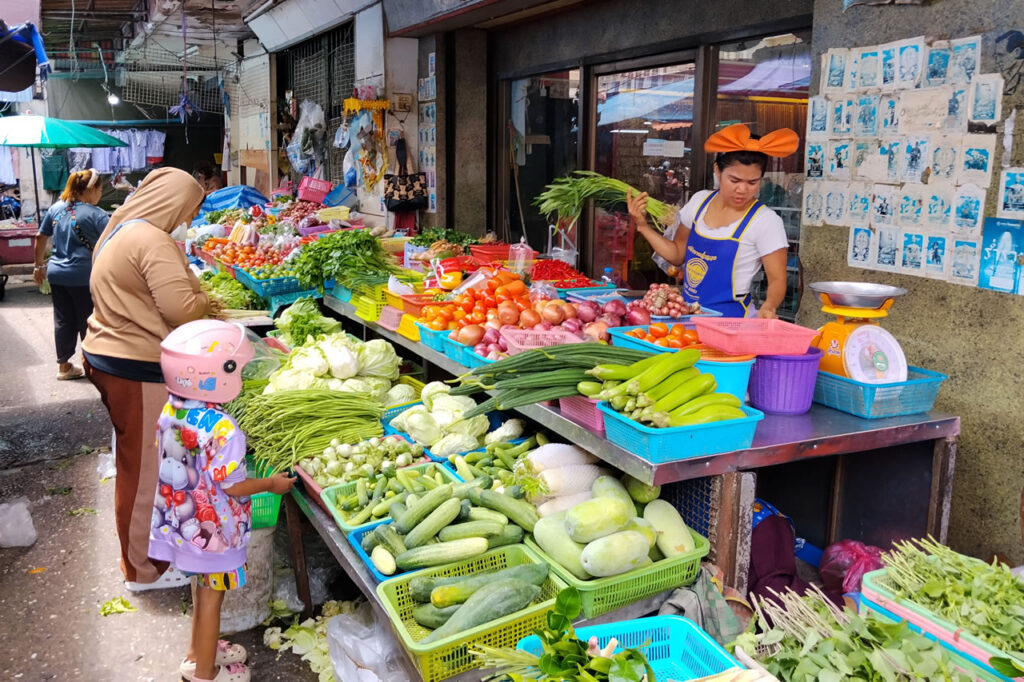
Imported products are usually where grocery bills increase the most. Cheese, wine, breakfast cereals, cold cuts, and Western snacks can cost significantly more than local alternatives.
📌 On the other hand, fresh fruit, vegetables, rice, chicken, seafood, and Thai ingredients often remain very affordable when purchased locally.
Coffee, Alcohol, and Daily Habits
Small daily habits can also influence the overall monthly budget more than many people expect.
Hua Hin has a large cafe culture, and while coffee prices are still lower than in many Western countries, regular visits to modern coffee shops add up over time. Two coffees a day from modern cafes can easily become several thousand baht per month without feeling excessive day to day.
The same applies to alcohol, especially imported wine and spirits, which are heavily taxed in Thailand.
As a rough guide:
- Local coffee shop drinks: ฿60–฿120
- Local beer at restaurants or bars: roughly ฿80–฿180 depending on venue
- Imported wine: often ฿800–฿2,000+ per bottle in restaurants
- Cocktails and imported spirits: typically ฿180–฿350+ in tourist and expat-oriented venues
📌 For many long-term expats, food and lifestyle spending often comes down less to necessity and more to routine and personal habits over time.
Transportation Costs
Transportation is one area where living in Hua Hin feels quite different from denser cities like Bangkok. While the town itself is relatively compact, daily life becomes much easier with your own transportation, especially for long-term residents living outside the central areas.
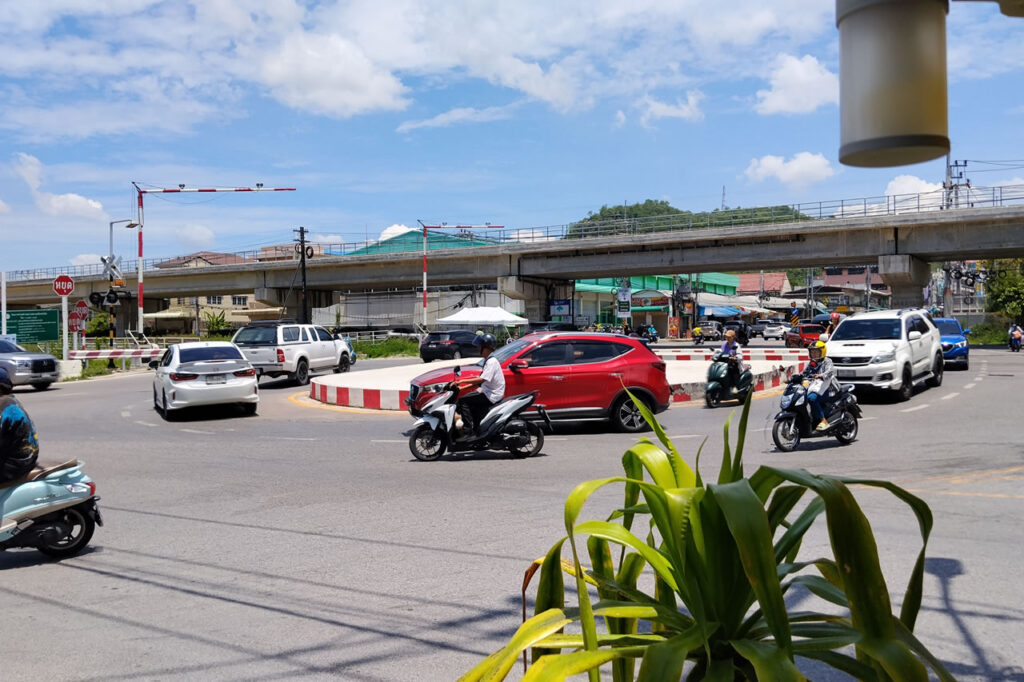
Many expats eventually choose to own or rent a scooter or car simply for convenience. Beaches, shopping malls, hospitals, restaurants, and residential neighborhoods are often spread out enough that relying entirely on walking can become limiting over time, particularly during hotter months.
Scooters and Motorbikes
Scooters are one of the most common and affordable ways to get around Hua Hin. They’re practical for short daily trips, parking is easy in most areas, and fuel costs remain relatively low.
Typical costs are roughly:
- Scooter rental: around ฿2,500–฿5,000 per month
- Fuel: often only a few hundred baht monthly for local driving
- Basic maintenance and servicing: relatively inexpensive
📌 For many singles or couples, a scooter is often enough for everyday life in Hua Hin.
Cars and Driving
Cars become more attractive for retirees, couples, families, or anyone planning to stay long term. They’re especially useful during rainy season, for shopping trips, golf outings, or regular travel outside Hua Hin.
However, car ownership naturally increases monthly costs through:
- fuel
- insurance
- maintenance
- parking
- financing, if applicable
📌 Compared to Bangkok, traffic in Hua Hin is generally manageable, although weekends and holiday periods can become noticeably busier.
Grab, Bolt, and Local Transport
Ride-hailing apps like Grab and Bolt are available in Hua Hin, although availability can sometimes be more limited than in Bangkok.
Typical short trips within town often cost around:
- ฿60–฿180 depending on distance and time of day
📌 Songthaews and local taxis are also available in some areas, although most long-term expats eventually prefer the flexibility of having their own transportation.
Travel to Bangkok and Nearby Areas
One advantage of Hua Hin is its relatively easy access to Bangkok. Many residents make occasional trips to the capital for shopping, visa matters, specialist healthcare, or airport connections.
Typical travel costs are roughly:
- Minivan or bus to Bangkok: around ฿200–฿400
- Train prices: vary depending on class and service
- Private car travel: depends mainly on fuel and tolls
📌 Transportation costs in Hua Hin often depend less on distance and more on lifestyle. People living centrally and spending most of their time locally may spend very little, while those living inland or traveling frequently tend to rely much more heavily on private transport.
Utilities, Internet, and Phone Costs
Utilities in Hua Hin are generally reasonable, although electricity costs can vary quite a bit depending on air conditioning usage and the type of property you live in. Modern condos and pool villas with heavy AC use naturally cost more to run than smaller apartments or homes with good airflow.
For many expats, electricity becomes one of the more noticeable monthly variables, especially during Thailand’s hotter periods when air conditioning runs for longer hours each day.
Typical monthly utility costs are roughly:
- Electricity for a small condo with moderate AC use: around ฿1,500–฿3,000
- Larger condos or houses with heavier AC usage: ฿4,000–฿8,000+
- Pool villas with extensive AC use: sometimes considerably higher
- Water bills: usually relatively low, often only a few hundred baht monthly
📌 One thing many newcomers quickly notice is how much air conditioning habits affect overall spending. Someone using AC mainly at night may see very manageable electricity bills, while running multiple units throughout the day can increase costs significantly.
Internet and Mobile Plans
Internet infrastructure in Hua Hin is generally very good, particularly in modern condos and established residential areas. Fast fiber internet is widely available and usually affordable by international standards.
Typical costs are roughly:
- Home fiber internet: around ฿500–฿1,000 per month
- Mobile phone plans with generous data: often around ฿300–฿800 monthly depending on provider and usage
📌 For digital nomads and remote workers, Hua Hin is usually reliable enough for video calls, streaming, and normal online work without major issues.
Daily Convenience Costs
Small day-to-day expenses can also quietly shape monthly spending over time. Convenience stores, delivery apps, bottled water, laundry services, and occasional online shopping are all relatively affordable individually, but like anywhere else, habits accumulate over the course of a month.
📌 For most expats in Hua Hin, utilities and connectivity are rarely the biggest financial concern. The larger differences in overall living costs usually come from housing choices, transportation, dining habits, and lifestyle expectations rather than internet or basic household bills.
Healthcare and Insurance Costs
Healthcare is one of the reasons many retirees and long-term expats choose Hua Hin in the first place. The town offers a good balance between affordability, convenience, and access to quality private healthcare without the scale and intensity of Bangkok’s larger hospital environment.
📍 Want a closer look at local hospitals, healthcare services, home care, assisted living, and retirement-focused healthcare planning? See my detailed guide to Healthcare & Assisted Living in Hua Hin
For everyday medical needs, Hua Hin has a wide range of clinics, dental practices, pharmacies, and specialist services that are generally easy to access and reasonably priced by international standards.
Doctor Visits and Basic Medical Care
Routine healthcare costs in Hua Hin are often manageable for expats paying out of pocket, especially for smaller medical issues or clinic visits.
Typical costs are roughly:
- Basic private clinic consultation: around ฿500–฿1,500
- Hospital doctor consultation: often ฿1,000–฿3,000+ depending on specialist and tests
- Standard medications: usually affordable for common conditions
- Dental cleaning: roughly ฿1,000–฿2,500 depending on clinic
📌 For many expats, one of the biggest advantages is the convenience and speed of private healthcare compared to waiting times in some Western healthcare systems.
Health Insurance
Health insurance is one of the more important long-term financial considerations for expats living in Hua Hin, especially retirees.
Monthly premiums vary heavily depending on:
- age
- coverage level
- pre-existing conditions
- outpatient coverage
- deductible choices
Younger expats with basic coverage may pay relatively modest monthly premiums, while older retirees often face significantly higher costs as they age.
One thing many long-term expats eventually realize is that healthcare in Thailand can feel inexpensive right up until a serious medical issue occurs. Major surgeries, emergency treatment, or long hospital stays can become extremely expensive without proper insurance coverage.
📌 Need help comparing plans or understanding coverage options? See the full Thailand Health Insurance Guide for Foreigners, including visa requirements, recommended providers, and realistic insurance costs for expats in Thailand.
Bangkok Hospital Hua Hin and Private Healthcare
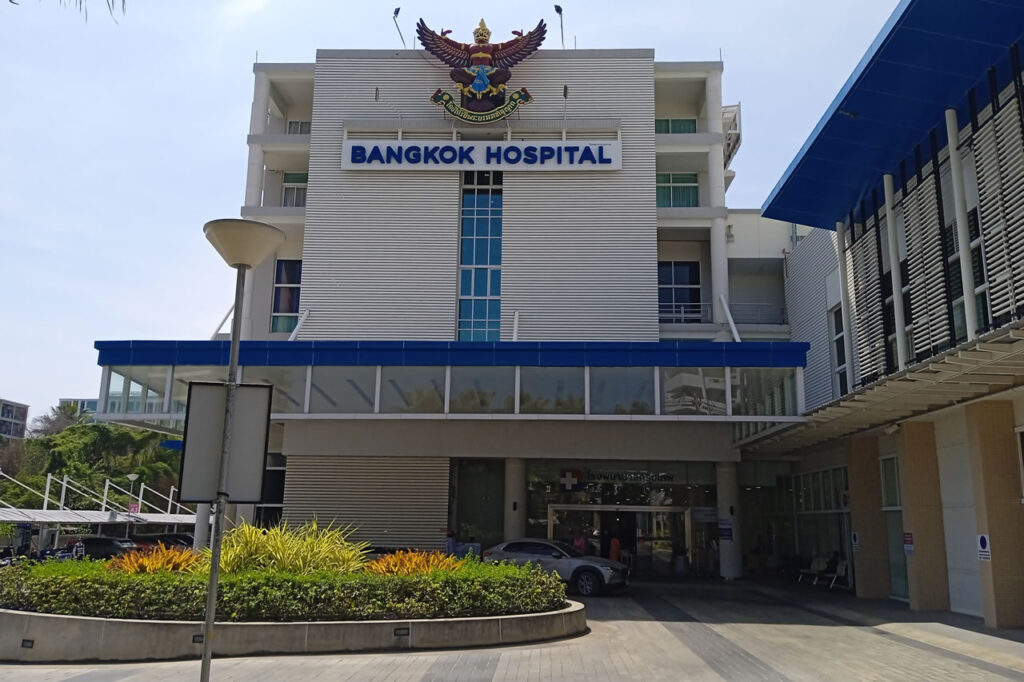
Many expats in Hua Hin use private hospitals such as Bangkok Hospital Hua Hin for routine care, checkups, and specialist consultations. The hospital is modern, foreigner-friendly, and widely used within the local expat community.
📌 At the same time, using private hospitals regularly can gradually increase monthly healthcare spending compared to relying mainly on smaller clinics or public facilities.
Lifestyle, Entertainment, and Social Costs
Lifestyle spending in Hua Hin can vary enormously depending on personal habits and interests. Some expats live very quietly with relatively low monthly expenses, while others build routines around golf, cafes, social events, nightlife, fitness, and regular dining out.
One reason many people enjoy Hua Hin long term is that the town offers a fairly relaxed lifestyle without requiring constant spending. Beaches, local markets, cafes, and outdoor dining are all easily accessible without the higher entertainment costs often associated with larger cities.
Gyms, Fitness, and Sports
Fitness costs in Hua Hin are generally reasonable, with everything from simple local gyms to modern fitness centers and sports clubs available.
Typical costs are roughly:
- Local gyms: around ฿1,000–฿2,000 monthly
- Modern fitness centers: often ฿2,000–฿4,000+
- Golf: roughly ฿2,000–฿5,000+ per round depending on course, season, and promotions
- Yoga and fitness classes: usually charged individually or through memberships
📌 For regular golfers, golf can easily become one of the larger lifestyle expenses in Hua Hin over the course of a month.
Cafes, Restaurants, and Social Life
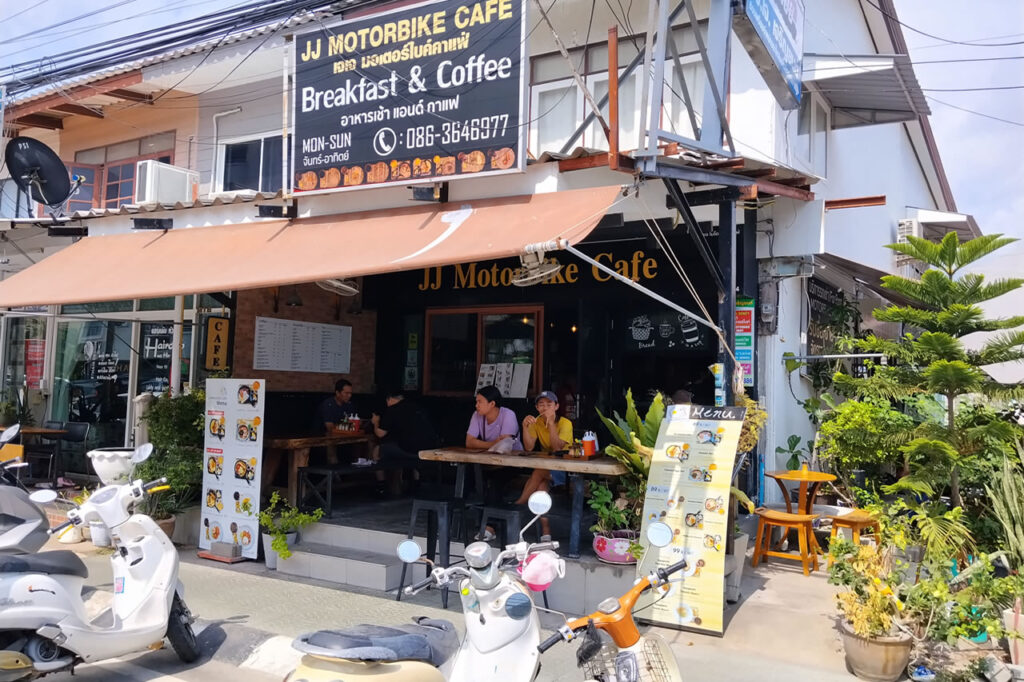
Many expats in Hua Hin spend a noticeable portion of their monthly budget on cafes, restaurants, and casual socializing. The town has a large selection of coffee shops, beachfront restaurants, bars, bakeries, and international dining options that naturally encourage eating out more often.
Typical costs are roughly:
- Casual dinner for two at a mid-range restaurant: around ฿800–฿2,000 with drinks
- Breakfast cafes and brunch spots: often ฿200–฿500 per person
- Beachfront restaurants and seafood venues: varies widely depending on location and alcohol consumption
📌 For some people, these costs remain fairly moderate. For others, regular dining, wine, cocktails, and cafe visits gradually become one of the largest lifestyle expenses outside of housing.
Nightlife and Entertainment
Hua Hin’s nightlife is generally calmer and more relaxed compared to places like Pattaya or Bangkok, but there are still plenty of bars, live music venues, restaurants, and social spots throughout town.
Typical costs are roughly:
- Local beer at bars: around ฿80–฿180
- Cocktails at tourist and expat-oriented venues: often ฿180–฿350+
- Wine and imported spirits: noticeably higher pricing
📌 Entertainment spending varies heavily by lifestyle, although many expats find Hua Hin easier to manage financially because the atmosphere tends to encourage a slower pace rather than constant nightlife and entertainment spending.
Travel and Weekend Trips
Many long-term residents also include occasional travel within Thailand as part of their overall lifestyle budget. Bangkok weekend trips, beach resorts further south, golf weekends, or domestic flights can all quietly increase monthly spending over time.
Typical additional travel costs might include:
- Domestic flights within Thailand: often ฿1,500–฿5,000+ depending on destination and season
- Weekend hotel stays: around ฿1,500–฿6,000+ per night depending on comfort level
- Bangkok shopping or social weekends: can easily add several thousand baht monthly for frequent travelers
📌 Lifestyle costs in Hua Hin are often less about necessity and more about routine. Two people living in the same town can have dramatically different monthly budgets simply based on dining habits, hobbies, transportation choices, and social routines.
Realistic Monthly Budget Examples
One of the reasons cost-of-living discussions in Hua Hin can be difficult is that two people living in the same town can have completely different lifestyles and monthly expenses. Housing choices, transportation, dining habits, healthcare expectations, and social routines all play a major role in shaping overall spending.
The examples below are not meant to define exactly how much someone “needs” to live in Hua Hin. Instead, they help illustrate how different lifestyles typically translate into real monthly budgets over time.
| Lifestyle | Estimated Monthly Budget | Typical Lifestyle |
|---|---|---|
| Modest Long-Term Lifestyle | ฿35,000–฿50,000 | Simple housing, local food, scooter, moderate lifestyle |
| Comfortable Retired Couple | ฿80,000–฿120,000 | Comfortable housing, dining out, healthcare, car or scooter |
| Digital Nomad Lifestyle | ฿45,000–฿75,000 | Modern condo, cafe culture, flexible lifestyle, regular travel |
| Higher-End Retirement Lifestyle | ฿150,000+ | Pool villa, golf, private healthcare, upscale lifestyle |
Modest Long-Term Lifestyle
A simpler lifestyle in Hua Hin is still very achievable for people who are comfortable living more locally and keeping discretionary spending under control.
Typical lifestyle:
- Simple condo or Thai-style house
- Mostly local food and markets
- Scooter transportation
- Limited nightlife and imported products
- Moderate air conditioning use
Estimated monthly budget:
- Around ฿35,000–฿50,000
📌 At this level, many expats live fairly simply and usually remain mindful of larger unexpected expenses, healthcare costs, travel, or frequent Western-style dining.
Comfortable Retired Couple
This is probably the range where many long-term expat couples in Hua Hin eventually settle. It allows for a more relaxed lifestyle without needing to monitor every daily expense too closely.
Typical lifestyle:
- Modern condo or comfortable house
- Mix of Thai and Western food
- Regular dining out and cafe visits
- Private healthcare and insurance
- Car or scooter ownership
- Occasional domestic travel
Estimated monthly budget:
- Around ฿80,000–฿120,000
📌 For many retirees, this range offers a good balance between comfort, convenience, and financial sustainability long term.
Digital Nomad Lifestyle
Many digital nomads in Hua Hin live somewhat more simply than retirees or long-term expat couples, often prioritizing flexibility, mobility, and lower housing costs over larger homes or more established lifestyles.
Typical lifestyle:
- Modern condo with reliable internet
- Frequent cafe use
- Delivery apps and dining out
- Scooter rental
- Occasional domestic or regional travel
Estimated monthly budget:
- Around ฿45,000–฿75,000 depending heavily on lifestyle habits and travel frequency
📌 Compared to Bangkok, many digital nomads appreciate that Hua Hin offers a calmer and often less expensive environment while still providing good infrastructure for remote work.
Higher-End Retirement Lifestyle
Hua Hin also supports a much more upscale lifestyle for retirees or long-stay expats who prioritize comfort, space, private healthcare, golf, and frequent dining out.
Typical lifestyle:
- Pool villa or luxury condo
- Car ownership
- Regular golf and social activities
- Frequent restaurant dining
- Imported groceries and wine
- Comprehensive private health insurance
- Frequent travel within Thailand
Estimated monthly budget:
- Often ฿150,000+ per month
📌 At this level, Hua Hin can provide a very comfortable long-term lifestyle by international standards, although costs naturally rise quickly once luxury housing, premium healthcare, and high-end leisure activities become part of everyday life.
Hidden Costs Expats Often Underestimate
One of the easiest mistakes when planning a move to Hua Hin is focusing only on obvious monthly expenses like rent and food while underestimating the smaller or less frequent costs that gradually add up over time.
For many long-term expats, these “secondary” expenses are often what create the biggest difference between a budget that looks comfortable on paper and one that actually feels sustainable in real life.
Visa and Immigration Costs
Long-term stays in Thailand usually involve ongoing immigration-related expenses beyond the visa itself.
Depending on your visa type, costs may include:
- visa applications and extensions
- re-entry permits
- 90-day reporting
- document preparation
- transportation for immigration visits
- occasional trips to Bangkok or nearby immigration offices
📌 Individually these expenses may not seem dramatic, but over the course of a year they become part of the overall cost of long-term living in Thailand.
Rental Deposits and Setup Costs
Many newcomers focus mainly on monthly rent while overlooking the initial setup costs involved in moving into a new property.
These often include:
- security deposits
- advance rent payments
- furniture or household items
- kitchen equipment
- bedding and appliances
- internet installation
- transportation or vehicle setup costs
📌 Even relatively modest long-term rentals can require a fairly significant upfront financial buffer during the first few months.
Healthcare and Insurance Increases
Healthcare costs also tend to change over time. While basic medical care in Thailand is often affordable, insurance premiums usually increase with age, particularly for retirees.
Many expats who initially feel comfortable with lower-cost coverage eventually upgrade their insurance later after spending more time in Thailand or experiencing medical issues firsthand.
📌 Unexpected hospital stays, specialist treatment, or emergency care can also become major financial events without proper coverage.
Air Conditioning and Lifestyle Inflation
One of the more subtle long-term expenses in Thailand is lifestyle inflation. After settling into Hua Hin, many expats naturally become more comfortable spending on conveniences that initially felt occasional.
Examples might include:
- running air conditioning more frequently
- dining out more often
- regular cafe visits
- imported groceries
- weekend travel
- golf or fitness memberships
- delivery apps and online shopping
📌 None of these expenses necessarily feel excessive individually, but together they often reshape monthly spending habits over time.
Transportation and Vehicle Costs
Transportation expenses can also become larger than expected, particularly for people living outside the center or traveling regularly.
Beyond fuel itself, long-term vehicle costs may include:
- insurance
- maintenance
- servicing
- tires and repairs
- parking
- financing or replacement costs
📌 For many long-term residents, transportation gradually becomes part of the overall lifestyle budget rather than simply a practical necessity.
✅ One thing many expats discover after living in Hua Hin for a while is that the town itself is rarely what makes life expensive. More often, costs increase gradually through lifestyle upgrades, convenience spending, and the simple comfort of settling into long-term life in Thailand.
Hua Hin Compared to Other Places in Thailand
Hua Hin is often seen as sitting somewhere between Thailand’s larger international destinations and its quieter provincial towns. It offers many of the conveniences expats look for, but generally with a slower pace and more manageable day-to-day lifestyle than places like Bangkok or Phuket.
At the same time, different locations in Thailand appeal to very different personalities, budgets, and priorities. What feels affordable or comfortable in one place may feel limiting or unnecessarily expensive in another.
| Location | Relative Cost Level | Main Differences Compared to Hua Hin |
|---|---|---|
| Bangkok | Higher | More convenience, nightlife, shopping, and international infrastructure, but higher housing and transportation costs. |
| Phuket | Higher | More tourism-driven pricing, larger international scene, heavier traffic, and generally higher accommodation costs. |
| Chiang Mai | Lower to Similar | Often cheaper housing and food options, stronger digital nomad scene, but no beach lifestyle and seasonal air pollution concerns. |
| Pattaya / Jomtien | Similar | Broader nightlife and entertainment scene, larger expat population, and more varied housing options. |
| Isaan Towns | Lower | Considerably lower living costs overall, but fewer international amenities, hospitals, and expat-focused services. |
📌 For many long-term expats and retirees, Hua Hin appeals less because it is the absolute cheapest place to live in Thailand and more because of the overall balance it offers. The town combines relatively manageable living costs with good healthcare, beach access, modern conveniences, and a calmer atmosphere that many people find sustainable long term.
Is Hua Hin Good Value for Money?
For many expats and retirees, Hua Hin is less about finding the absolute cheapest place to live in Thailand and more about finding a lifestyle that feels comfortable, manageable, and sustainable long term.
Compared to Bangkok or Phuket, Hua Hin often offers a better balance between living costs, convenience, healthcare access, and overall day-to-day stress. The town is large enough to provide modern amenities, international restaurants, shopping malls, and quality hospitals, while still feeling calmer and easier to navigate than many of Thailand’s larger destinations.
At the same time, Hua Hin may not suit everyone equally well. People looking for intense nightlife, constant entertainment, or the lowest possible cost of living often find other parts of Thailand a better fit. Hua Hin tends to appeal more to people who value routine, comfort, beach access, healthcare, and a slower pace of life.
One of the town’s biggest strengths is that many aspects of life here remain relatively flexible financially. It’s possible to live modestly, comfortably, or quite luxuriously depending on personal priorities without feeling locked into a single type of lifestyle.
✅ Still deciding whether Hua Hin is the right place to retire?
Cost is only one part of the decision. Read my complete Retire in Hua Hin guide to explore the lifestyle, healthcare, visas, neighbourhoods, safety, and everyday life before deciding whether Hua Hin is the right fit for your retirement.
Over the years, I’ve met retirees living comfortably in small condos on fairly modest budgets, and I’ve also met expats spending more in Hua Hin than they did back home once golf, imported food, regular dining out, and larger homes became part of daily life.
What I personally like about Hua Hin is the balance. It’s developed enough that daily life feels easy and comfortable, but still relaxed enough that you don’t constantly feel pressure to spend money just to enjoy yourself. A quiet beach walk, local market dinner, or coffee by the sea can still be part of everyday life here without turning into an expensive lifestyle.
At the same time, I think some people arrive in Thailand with unrealistic expectations about cost of living. Hua Hin can absolutely be affordable, but long-term comfort usually comes from having financial breathing room rather than trying to live as cheaply as possible month after month.
For me, Hua Hin works best when you approach it less as a “cheap place to live” and more as a place where you can build a comfortable, sustainable lifestyle at a lower overall cost than many Western countries while still enjoying a very good quality of life.

Hua Hin Hub
Explore my collection of Hua Hin guides covering living, healthcare, costs, accommodation, retirement, and everyday life on Thailand’s Gulf Coast.
Essential Guides for Living in Thailand
Whether you’re planning a move, considering retirement, or simply exploring long-term life in Thailand, these guides will help you understand the bigger picture and make more informed decisions.
| Essential Guide | Why It’s Worth Reading |
|---|---|
| Thailand Health Insurance Guide | Understand your options for medical coverage and what’s required for long-term stays. |
| Long-Term Visa Options for Thailand | Explore the visa types available for retirees and long-term expats. |
| Best Places to Live in Thailand | Compare Hua Hin with other popular destinations to find your ideal base. |
| Banking & Financial Tips for Expats in Thailand | Learn how to manage money, transfer funds, and avoid common financial mistakes. |
| How to Embrace Thai Culture | Adjust more easily to daily life by understanding local customs and expectations. |
Frequently Asked Questions
The questions below cover some of the practical concerns and long-term realities that many expats and retirees only fully understand after spending more time living in Hua Hin.
📌 Does the cost of living in Hua Hin change during high season?
Yes, certain costs can increase during Thailand’s high season, particularly between November and February when Hua Hin becomes more popular with tourists, snowbirds, and short-term visitors. Short-term accommodation prices usually rise the most, while restaurants, transportation, and everyday local costs tend to remain relatively stable for long-term residents.
People renting on yearly contracts are generally less affected by seasonal fluctuations than short-term visitors.
📌 Can you realistically retire comfortably in Hua Hin on a fixed income?
For many retirees, yes, but comfort depends heavily on lifestyle expectations, housing choices, healthcare needs, and financial flexibility.
A modest retirement lifestyle is still possible in Hua Hin, but many long-term expats find that having extra breathing room financially makes life considerably more enjoyable and sustainable over time. Healthcare, insurance premiums, transportation, and lifestyle spending often become more important factors later than many people initially expect.
📌 Why do some expats end up spending much more than expected in Hua Hin?
In many cases, costs increase gradually rather than suddenly. Once people settle into daily life, spending habits often shift toward greater convenience and comfort.
Regular restaurant dining, imported groceries, cafes, air conditioning, private healthcare, delivery apps, golf, travel, and larger homes can all slowly reshape a monthly budget over time. Individually these upgrades may not feel excessive, but together they often create a very different lifestyle from the simpler budgets many people initially imagine before moving to Thailand.
📌 How much financial buffer should you realistically have before moving to Hua Hin?
Beyond regular monthly living costs, it’s wise to plan for upfront setup expenses, visa-related costs, deposits, healthcare, transportation, and unexpected situations during the first months after relocating.
For many long-term expats, having several months of additional financial reserves provides important flexibility and reduces pressure while adjusting to life in Thailand. The exact amount varies heavily depending on lifestyle, visa type, healthcare needs, and whether someone is relocating alone or with family.
For a more detailed breakdown of relocation setup costs, emergency buffers, and realistic first-month expenses, see: How Much Money Do You Need to Move to Thailand?
📌 Is Hua Hin affordable for families with children?
Hua Hin can still be relatively affordable for families compared to many Western countries, but costs naturally increase once larger housing, transportation, healthcare, and education become part of the equation.
Families using international schools, larger homes, private healthcare, and regular activities for children often spend considerably more than retirees or single expats. At the same time, many families appreciate Hua Hin’s calmer environment, beach access, and generally relaxed pace of life compared to larger Thai cities.
💬 Are you currently living in Hua Hin or thinking about moving there? I’d be interested to hear what kind of monthly budget you realistically think would suit your lifestyle in Thailand.