
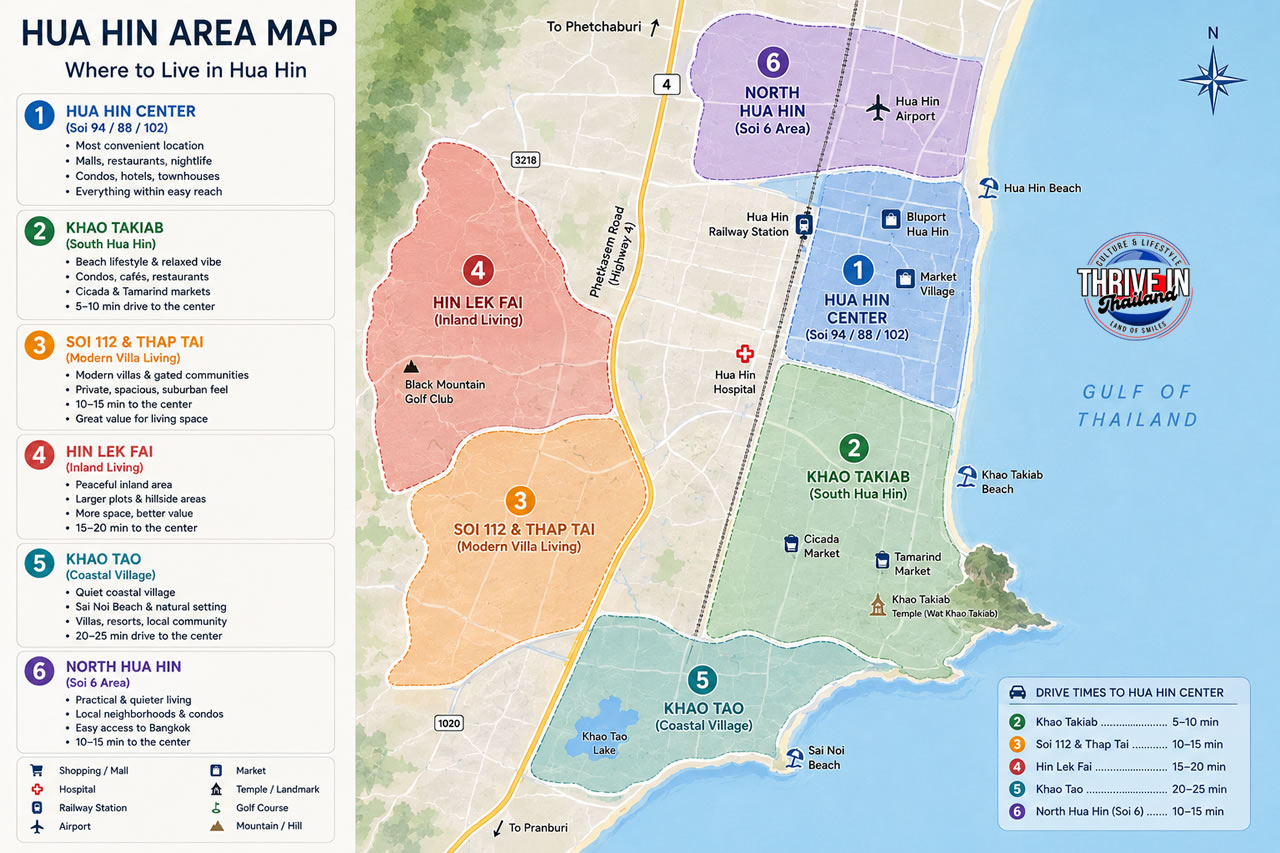
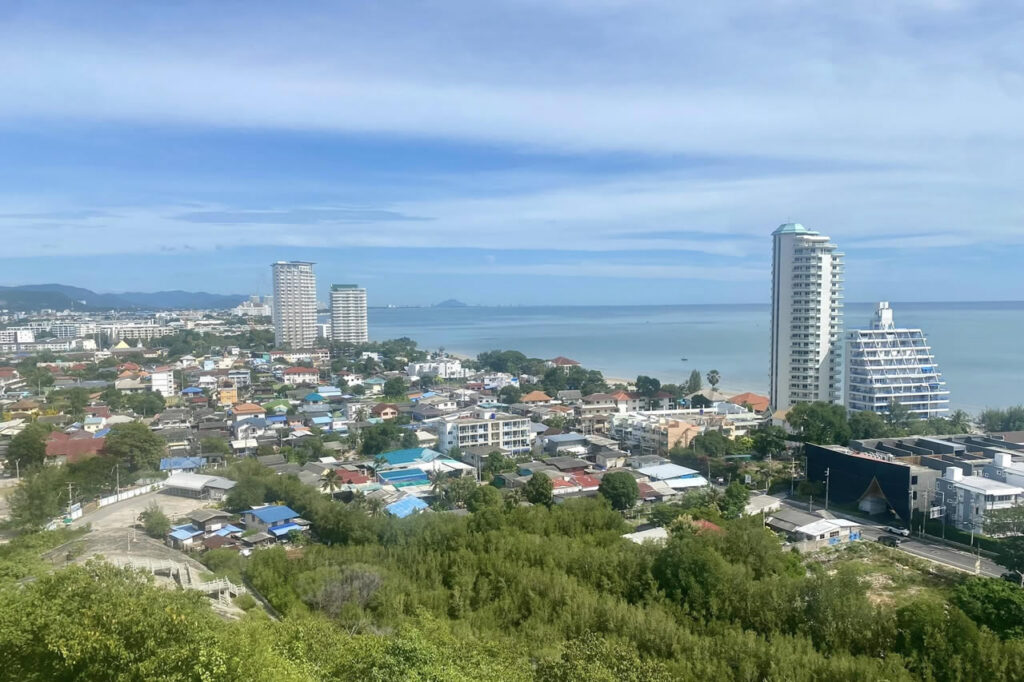
One of the first things you’ll notice about Hua Hin is how deceptively simple it looks on a map. It’s a relatively small city, and at first glance, it feels like you could stay almost anywhere and still be close to everything.
That’s true to a point. But once you spend some time here, the differences between areas become very clear.
Living in the center means convenience. You’re close to everything, and daily life is easy. Move just a few kilometers out, and the atmosphere changes quickly. It becomes quieter, more residential, and more spacious. Head further inland or south, and you’ll find a completely different pace of life, with villas, nature, and a more local feel.
When I first moved to Hua Hin, I didn’t fully understand these differences. My choice was mostly driven by budget and space, and I was fine with being a bit further out. Others prefer to stay closer to town, especially in the beginning, where everything is easier to access.
This guide is built around those real trade-offs. I’ll walk you through the main areas of Hua Hin, explain what it’s actually like to stay or live there, and give you a realistic idea of what you can expect in terms of lifestyle and rental costs.
📌 The goal is not to tell you where to stay, but to help you figure out which part of Hua Hin fits your way of living.
Understanding Hua Hin’s Layout (Before You Choose)
Before looking at specific areas, it helps to understand how Hua Hin is actually laid out.
At first glance, the town can feel a bit spread out. In reality, it’s surprisingly compact. Most places are within a 10 to 15-minute drive, which means you’re rarely far from restaurants, shopping malls, hospitals, or the beach, no matter where you stay.
What matters more than distance is how the different parts of Hua Hin feel.
The center, running along the main road and coastal strip, is where most of the activity is concentrated. This is where you’ll find shopping malls, markets, nightlife, and a high density of hotels and condominiums. It’s the most convenient part of Hua Hin, but also the busiest.
As you move a few kilometers away from the center, the atmosphere changes quickly. Areas like Khao Takiab to the south or the residential zones inland feel noticeably calmer, with more space and a slower pace of life, while still being close enough to town for daily needs.
Further inland, places like Soi 112, Thap Tai, or Hin Lek Fai shift even more toward a residential lifestyle. This is where you’ll find larger houses, villa developments, and better value for money, but also a stronger reliance on having your own transport.
Head further south toward Khao Tao or beyond, and Hua Hin starts to feel more like a collection of smaller coastal communities rather than one continuous town. Life becomes quieter, more local, and more connected to nature, but less convenient for frequent trips into town.
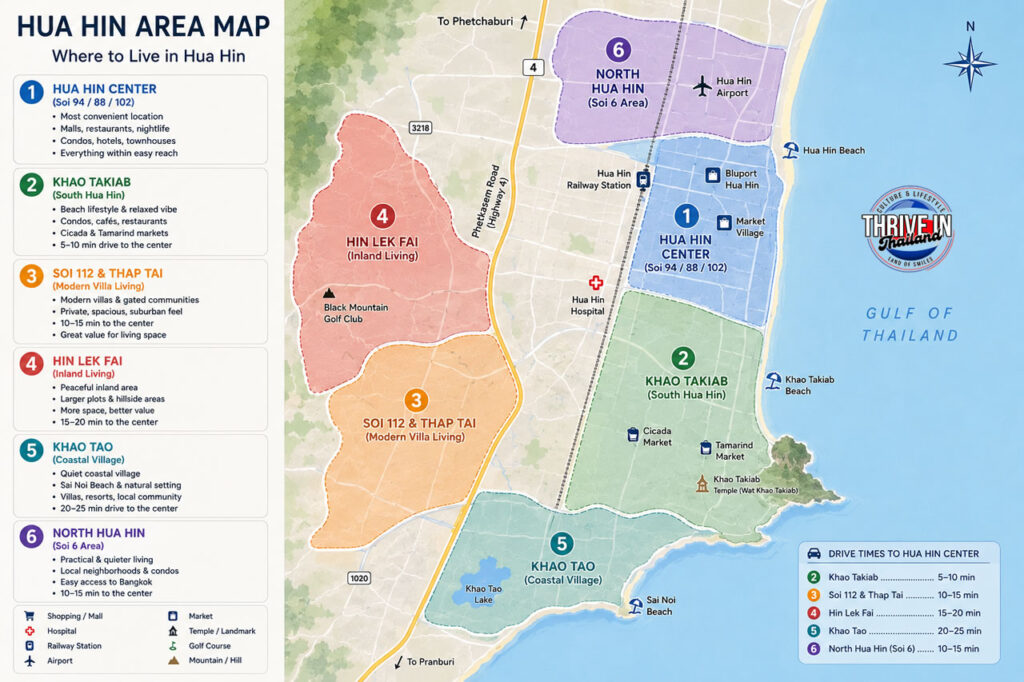
📍 Simplified overview map showing the general layout and character of Hua Hin’s main residential areas.
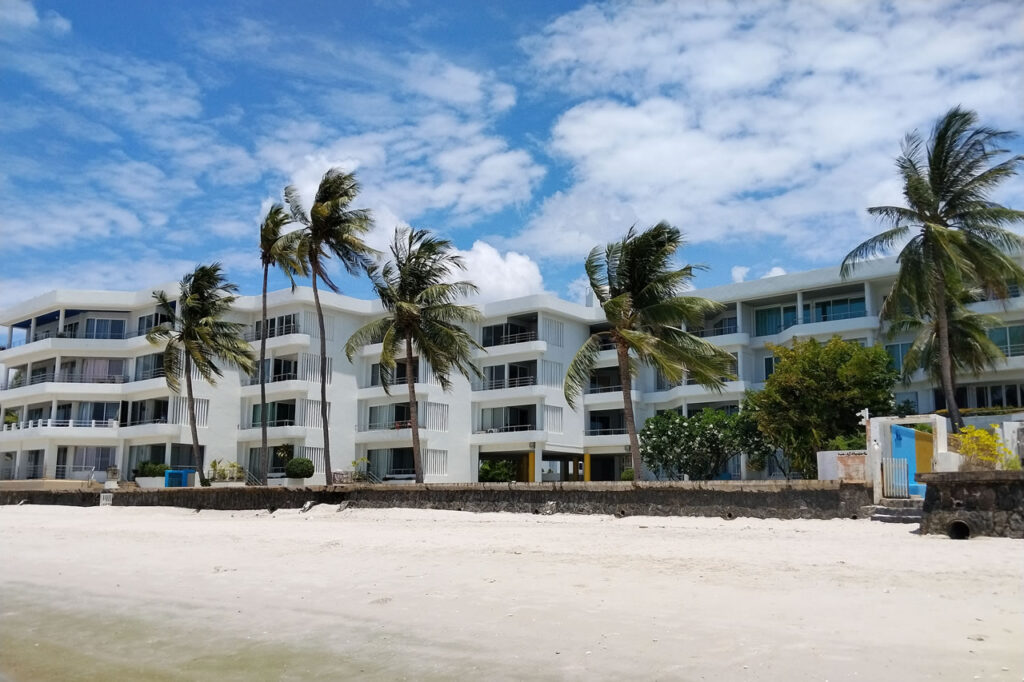
Another practical point to understand early on is the difference between condos and houses. Condominiums are mostly located in and around the center or along the coastline, making them ideal for convenience and short stays. Larger houses and pool villas, on the other hand, are typically found inland, where land is more available and prices per square meter are lower.
This natural layout creates a simple trade-off that applies across all areas in Hua Hin: the closer you are to the center and the beach, the more convenient and expensive it tends to be. The further out you go, the more space and value you get, but with less walkability and a greater need for transport.
📌 Once you understand this structure, choosing the right area becomes much easier, because you can focus on how you want to live, not just where to stay.
Quick Overview: Best Areas by Lifestyle
If you don’t want to go through every area in detail, this quick overview will point you in the right direction.
Hua Hin doesn’t have a single “best” location. It depends on what you prioritize in your daily life. Some areas offer convenience and walkability, others focus on space, privacy, or a quieter environment.
Here’s a simple way to narrow it down:
| What You Want | Best Area |
|---|---|
| ✅ Close to everything (restaurants, malls, nightlife, hospitals) | Hua Hin Center |
| ✅ Beach access with a more relaxed atmosphere | Khao Takiab |
| ✅ Modern villas, space, and a quieter residential feel | Soi 112 / Thap Tai |
| ✅ Good value, more space, and a local residential environment | Hin Lek Fai |
| ✅ Slower, village-style lifestyle close to nature | Khao Tao |
| ✅ Affordability with reasonable access to town and Bangkok | North Hua Hin (Soi 6) |
📌 This gives you a quick starting point. The differences become much clearer once you look at each area in context.
Hua Hin Center (Soi 94, 88, 102)
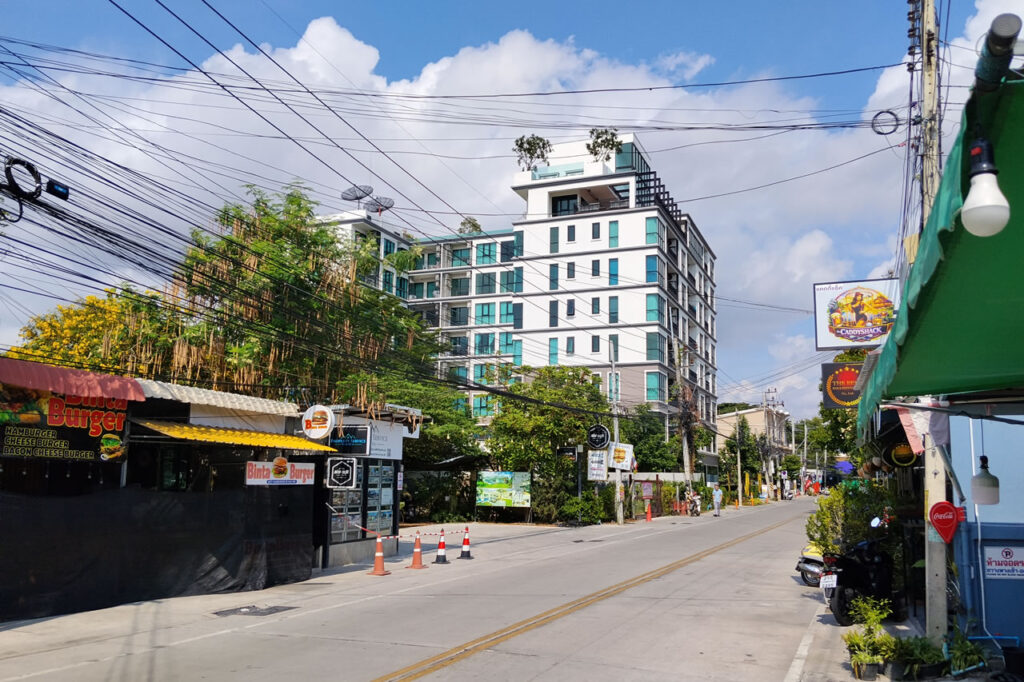
Hua Hin Center is the most convenient place to stay if you want everything close by. This is where most of the city’s activity is concentrated, including shopping malls, restaurants, hospitals, nightlife, markets, and the main beach.
For short-term visitors, the center is often the easiest choice. You can stay in a condo, hotel, or guesthouse and get around with short walks, songthaews, Grab, Bolt, or quick motorbike taxi rides. You don’t need to plan every outing, which makes daily life feel simple.
For long-term residents, the center can also work well, especially around Soi 94, Soi 88, and Soi 102. These areas offer a mix of condos, houses, and townhouses while keeping you close to Market Village, Bluport, hospitals, restaurants, and the beach.
📌 You’ll find a wide range of established condo developments between the main road and the beach, while the inland residential areas offer more houses and mixed housing options, which gives central Hua Hin a good balance between convenience and variety.
The trade-off is the atmosphere. Central Hua Hin is busier, noisier, and more transient than the residential areas further out. Weekends and holidays bring more visitors from Bangkok, and areas close to nightlife can feel less peaceful in the evenings.
Pricing also reflects the convenience. Condos and houses closer to the beach, malls, or main nightlife zones usually cost more, while better value is often found a little further back from the main road.
Typical Monthly Rent
| Property Type | Typical Monthly Rent |
|---|---|
| Studio / 1-bedroom condo | 12,000 – 30,000 THB |
| Modern condo near beach or malls | 25,000 – 60,000+ THB |
| House / townhouse in central sois | 25,000 – 70,000+ THB |
✅ Best for: convenience, walkability by Hua Hin standards, short stays, first-time visitors, and people who want restaurants, shopping, hospitals, and nightlife within easy reach.
Khao Takiab (South Hua Hin)
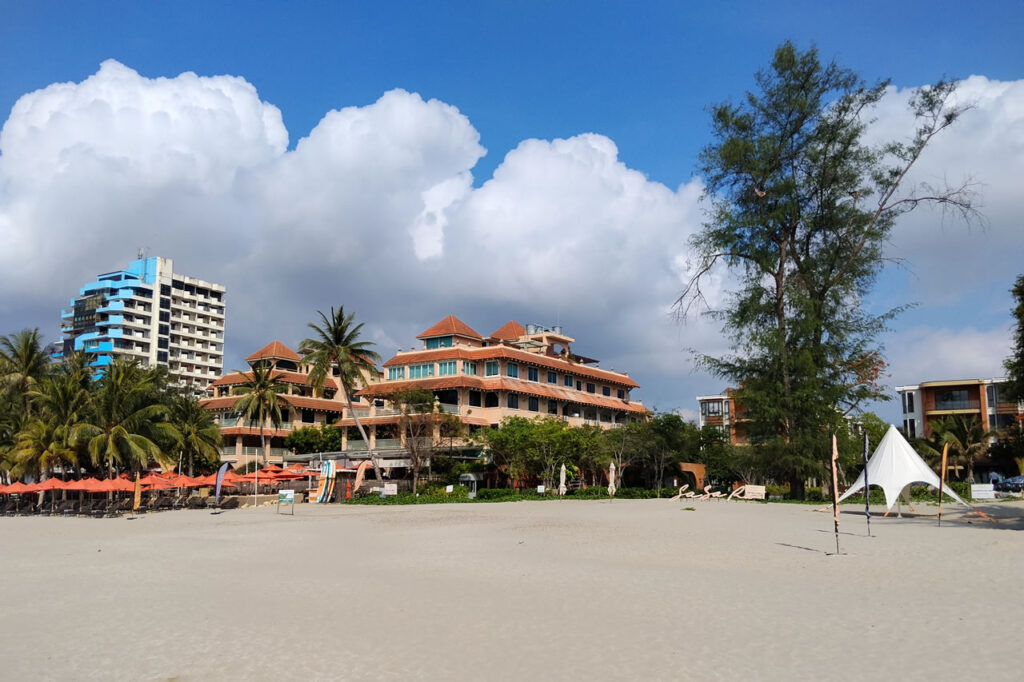
Khao Takiab is one of the most balanced areas in Hua Hin. It sits just south of the center but feels noticeably more relaxed, with a slower pace and a stronger coastal atmosphere.
For short-term stays, it’s a popular choice for people who want to be close to the beach without being right in the middle of town. The beaches here are generally less crowded than in central Hua Hin, and the area has a good mix of restaurants, cafés, and weekend markets like Cicada and Tamarind.
At the same time, you’re still only about a 5 to 10-minute drive from the center, which makes it easy to access shopping malls, hospitals, and other daily essentials.
For longer stays, Khao Takiab works well for those who want a quieter environment without feeling disconnected. The area has a mix of condos, smaller resorts, and some residential pockets, attracting both expats and repeat visitors who prefer a more laid-back lifestyle.
📌 You’ll find many low- to mid-rise condo developments throughout the area, often within walking distance of the beach, while the streets further back offer a mix of smaller residential buildings and houses, creating a more relaxed and less dense living environment compared to the center.
The trade-off is that Khao Takiab is slightly less convenient than central Hua Hin. There are fewer large supermarkets and shopping options nearby, so you’ll likely find yourself heading into town for bigger errands. Parts of the area also see increased traffic during weekends and holidays due to visitors and the popularity of the nearby temple.
Pricing is generally a bit more moderate than in the center, although beachfront or sea-view properties can still command a premium.
Typical Monthly Rent
| Property Type | Typical Monthly Rent |
|---|---|
| Studio / 1-bedroom condo | 10,000 – 25,000 THB |
| Condo near beach / sea view | 20,000 – 50,000+ THB |
| House / townhouse | 20,000 – 60,000+ THB |
✅ Best for: beach lovers, a more relaxed atmosphere, balanced lifestyle between convenience and calm, and those who still want easy access to central Hua Hin without living in it.
Soi 112 & Thap Tai (Modern Villa Living)
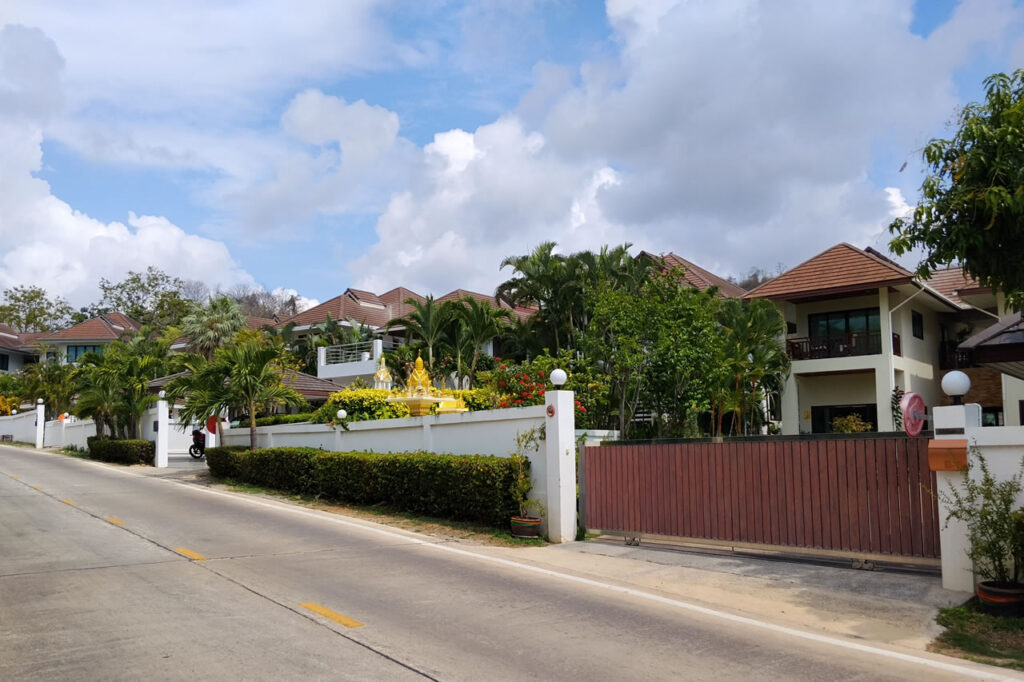
Soi 112 and the surrounding Thap Tai area represent a different side of Hua Hin. This is where the focus shifts away from walkability and convenience toward space, privacy, and a more residential lifestyle.
The area has seen strong development over the past years, particularly with modern villa projects and gated communities. Many of these are designed with long-term living in mind, offering private pools, larger plots, and a quieter environment compared to the center or coastal areas.
Despite feeling more removed, you’re still only about 10 to 15 minutes from central Hua Hin. Soi 112 connects directly to the main road and the bypass, which makes getting in and out of town relatively easy without having to deal with central traffic every time.
For long-term residents, this area is especially attractive. It’s popular with expats who prioritize living space, privacy, and a calm environment over being within walking distance of shops and restaurants. Daily life here is more home-centered, and the overall atmosphere feels less transient and more settled.
📌 You’ll find a high concentration of modern villa developments in this area, often within gated communities, while standalone houses and smaller projects are spread throughout the surrounding residential zones, giving it a distinctly suburban feel.
The trade-off is convenience. Walkability is very limited, and most daily activities require a car or motorbike. While there are some local shops and restaurants, the variety is still relatively limited compared to central Hua Hin, although this continues to improve as the area develops.
Pricing reflects the type of housing. You generally get more space and better value per square meter than in central or beachfront areas, but overall budgets tend to be higher due to the size and quality of the properties.
Typical Monthly Rent
| Property Type | Typical Monthly Rent |
|---|---|
| Smaller house / basic villa | 15,000 – 30,000 THB |
| Modern pool villa (gated community) | 30,000 – 80,000+ THB |
| Larger or high-end villa | 80,000 – 150,000+ THB |
✅ Best for: long-term residents, expats, families, and anyone prioritizing space, privacy, and a quieter residential lifestyle over central convenience.
Hin Lek Fai (Inland & Hillside Living)
Hin Lek Fai sits inland along the Palau Road and offers a noticeably different feel from the coastal and central areas. This is where Hua Hin starts to open up, with more space, less density, and a stronger mix of local and expat residential life.
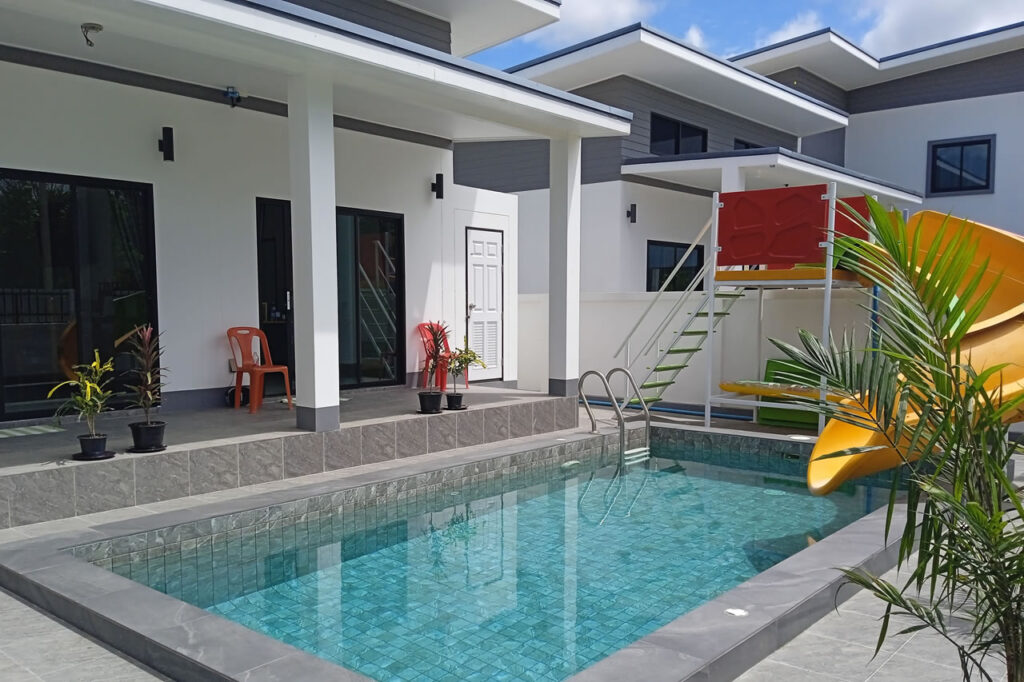
The area is known for its quieter atmosphere and good value for money. You’ll find a mix of standalone houses, small developments, and some larger villa communities, often with more land and lower prices compared to central Hua Hin. It’s a practical choice for people who want space without moving too far away from town.
Despite feeling more residential, Hin Lek Fai is still only about a 10 to 20-minute drive from the center. That makes it relatively easy to access shopping malls, hospitals, and the beach, while still enjoying a calmer environment at home.
📌 You’ll find a mix of established residential areas and newer developments spread across the hillside and surrounding roads, with larger plots and more open space than in the center, giving the area a more relaxed and less built-up feel.
Another advantage is that the area has developed its own small ecosystem. There are local markets, supermarkets, restaurants, and fitness facilities, so you don’t always need to go into town for daily needs.
The trade-off is transport. Like most inland areas, daily life depends on having a car or motorbike. Some parts are still developing, so you may occasionally encounter construction or uneven road conditions, depending on the exact location.
Pricing is one of the main advantages here. Compared to central Hua Hin or beachfront areas, you generally get significantly more space for the same budget, making it particularly attractive for long-term residents.
Typical Monthly Rent
| Property Type | Typical Monthly Rent |
|---|---|
| Basic house / older property | 10,000 – 20,000 THB |
| Modern house / smaller villa | 20,000 – 40,000 THB |
| Larger or pool villa | 40,000 – 80,000+ THB |
✅ Best for: long-term residents, families, and anyone looking for more space, better value, and a quieter residential environment while still staying relatively close to Hua Hin town.
Khao Tao (Coastal Village South of Hua Hin)
Khao Tao sits about 15 to 20 minutes south of Hua Hin, although areas further toward Sai Noi Beach can take closer to 20 to 25 minutes. It doesn’t feel like a direct extension of the town, but more like a small coastal community with its own rhythm, made up of several distinct pockets rather than one continuous area.
Coming off the main highway toward the beach, the first impression is more built-up than expected. This stretch has a number of condominium developments and feels closer to Hua Hin in character, offering a relatively easy entry point for those who still want some level of convenience.
As you move further in, the atmosphere changes. Around Baan Khao Tao, the original village area, things become more local and less structured. This part of Khao Tao has a quieter, more traditional feel, with small streets, local homes, and a slower pace of life.
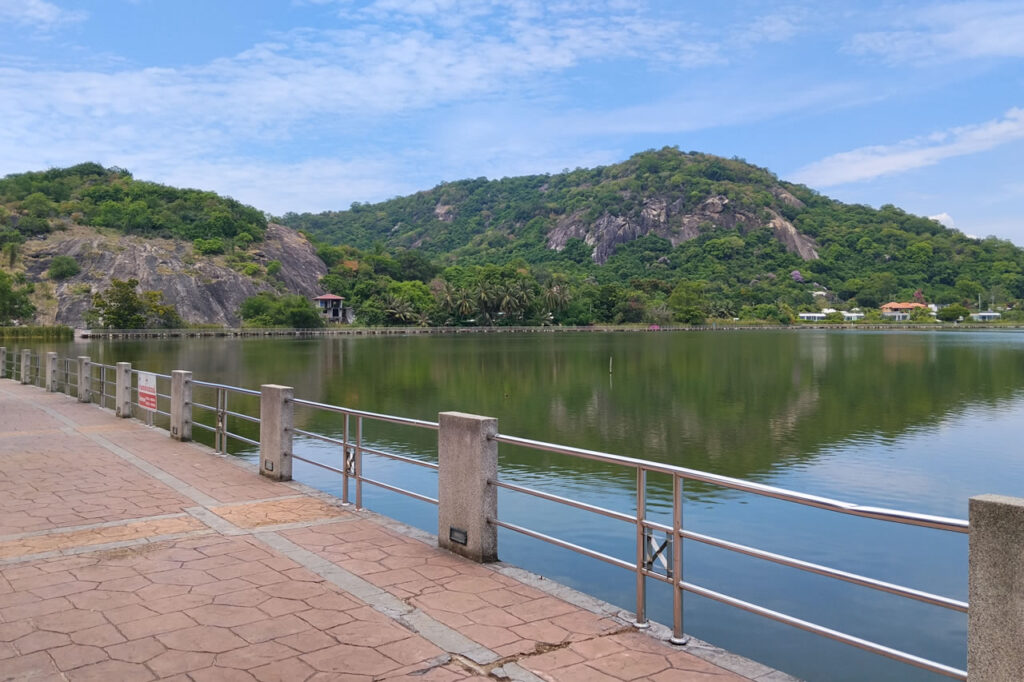
Nearby, the freshwater lake and Royal Project area add another layer to the environment. This is one of the defining features of Khao Tao, offering open space, walking routes, and a more nature-focused lifestyle that you don’t really find in central Hua Hin.
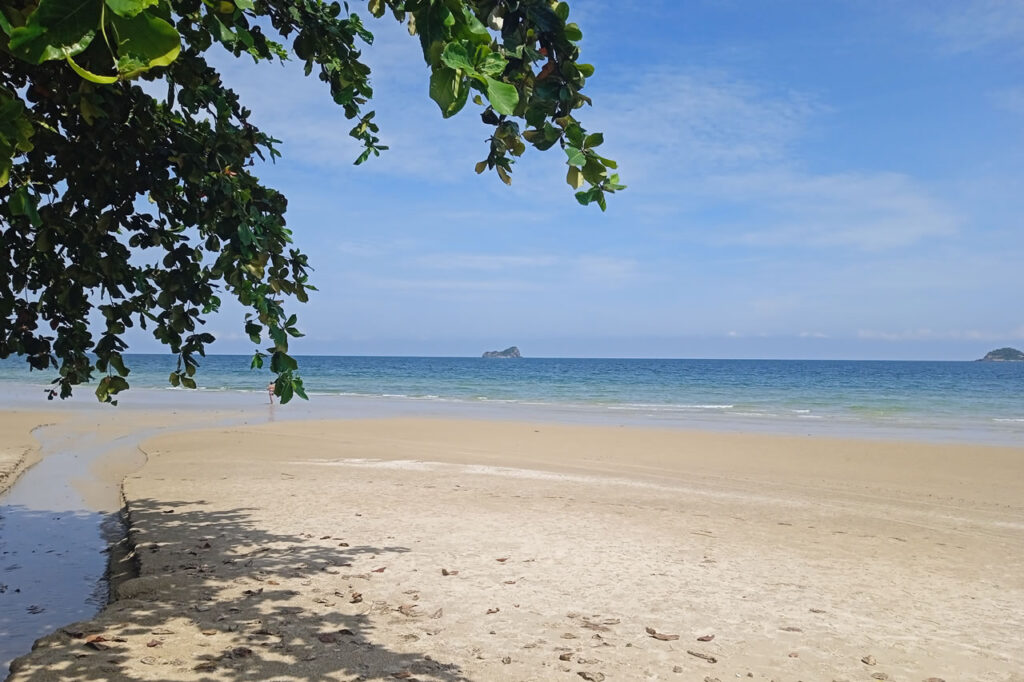
Further south, toward Sai Noi Beach, the character shifts again. This part of Khao Tao feels more open and scenic, with one of the nicer beaches in the area. Along the road leading there and in the surrounding hillsides, you’ll find a number of villa developments, some of them on the more exclusive end, attracting long-term residents who prioritize privacy, views, and a quieter setting.
📌 You’ll find a mix of condo developments closer to the main access road, while the surrounding areas range from local village housing to more spacious villas and higher-end developments spread out toward Sai Noi and the hills, giving Khao Tao a more varied and less uniform feel than other parts of Hua Hin.
This mix is what defines Khao Tao. It offers more variety than it might appear at first, but it also means that your exact location within the area makes a big difference to your daily experience.
The trade-off is convenience. While the drive into Hua Hin is quick and straightforward, it’s not the kind of place where you move back and forth multiple times a day. Shopping, larger supermarkets, and most services are still centered in Hua Hin, so living here requires a bit more planning.
At the same time, that distance is also what creates the appeal. Khao Tao feels calmer, less transient, and more connected to its surroundings, especially outside of peak visitor periods.
Pricing varies depending on the specific pocket. More local areas and older properties can be relatively affordable, while newer villas and well-located homes closer to Sai Noi or with views can move into a much higher range.

Typical Monthly Rent
| Property Type | Typical Monthly Rent |
|---|---|
| Studio / 1-bedroom condo | 10,000 – 25,000 THB |
| Basic house / local property / shop-house | 12,000 – 20,000 THB |
| Modern house or small villa | 20,000 – 40,000 THB |
| Beachside or higher-end villa | 40,000 – 100,000+ THB |
✅ Best for: those who want a quieter, more varied coastal environment with a mix of local character and higher-end residential pockets, and who don’t mind trading convenience for space, nature, and a slower pace of life.
North Hua Hin (Soi 6 & Surroundings)
North Hua Hin, particularly around Soi 6 and the surrounding areas, offers a quieter and more residential alternative to the center while still keeping reasonable access to town.
This part of Hua Hin has long been popular with both Thai residents and expats looking for a calmer environment without moving too far away from shopping, restaurants, or the beach. Compared to the more polished villa areas further inland, North Hua Hin feels slightly more practical and less lifestyle-focused, with a mix of older housing, local neighborhoods, and newer developments gradually spreading through the area.
One of the advantages here is accessibility. If you frequently travel to Bangkok or Cha-am, living on the north side means you can avoid driving through central Hua Hin every time you leave or return. The area also has a decent amount of everyday infrastructure, including local markets, convenience stores, supermarkets, and smaller restaurants.
📌 Housing in North Hua Hin is quite mixed. You’ll find everything from older local houses and townhouses to newer residential projects and low-rise condominium developments closer to the beach and main roads, giving the area a more functional and lived-in feel rather than a highly curated residential atmosphere.
Compared to central Hua Hin, the atmosphere is generally quieter and less tourist-oriented, although traffic heading into town can become heavier during busier periods or weekends.
The trade-off is that the area lacks some of the lifestyle appeal and walkability found in places like central Hua Hin or Khao Takiab. Dining and entertainment options are more limited, and depending on the exact location, some parts are affected by occasional airplane noise due to the nearby airport.
Pricing is usually more approachable than in central or beachfront areas, particularly for older properties or houses slightly further inland, making North Hua Hin attractive for people prioritizing value and practicality over atmosphere.
Typical Monthly Rent
| Property Type | Typical Monthly Rent |
|---|---|
| Older condo / local apartment | 8,000 – 18,000 THB |
| Standard house / townhouse | 15,000 – 35,000 THB |
| Modern house or pool villa | 35,000 – 70,000+ THB |
✅ Best for: people looking for a quieter and more practical residential environment, good value for money, easier access toward Bangkok and Cha-am, and less focus on nightlife or tourist-heavy areas.
Why It’s Often Better to Rent Short-Term First
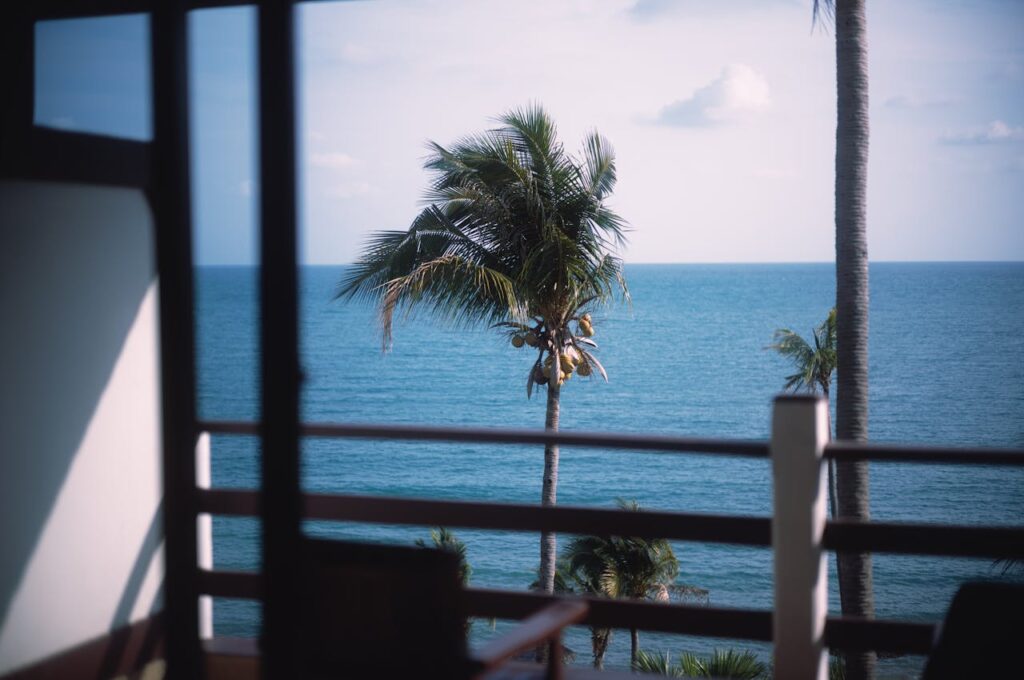
One thing many people underestimate about Hua Hin is how different the areas feel once you actually spend time there.
On paper, the distances look small. In reality, daily life can feel very different depending on whether you stay near the center, inland, close to the beach, or further south toward places like Khao Tao.
That’s why rushing into a long-term lease immediately after arriving is often a mistake.
A much smarter approach is to spend your first month or two in a monthly rental apartment, condo, or serviced accommodation while you explore the different areas properly. Hua Hin has plenty of these options available, ranging from simple local apartments to modern condominiums with pools, gyms, and security.
📌 Areas like Soi 94, central Hua Hin, and parts of Khao Takiab have a large number of condos and apartment-style rentals available on a monthly basis, which makes them practical temporary bases while you decide where you actually want to live long-term.
Personally, I don’t really see many of these monthly rentals as ideal long-term solutions. They’re often smaller, more basic, and designed more for convenience than comfortable long-term living. But they can work extremely well as a temporary base while you figure out what kind of lifestyle actually suits you.
Once you spend time here, your priorities often change. Some people initially think they want to live right in the center, only to realize they prefer quieter residential areas. Others move further out for space and privacy, then later decide they miss the convenience of being closer to restaurants, shopping, or the beach.
Using a short-term rental first gives you time to understand:
- how often you actually go into town
- whether you’re comfortable driving everywhere
- how important beach access really is to you
- which areas feel right during both weekdays and weekends
📌 Hua Hin is compact enough that changing areas later is possible, but taking a little extra time before committing to a long-term lease can save you a lot of frustration and unnecessary moving later on.
Condo vs Villa: What Most People Get Wrong
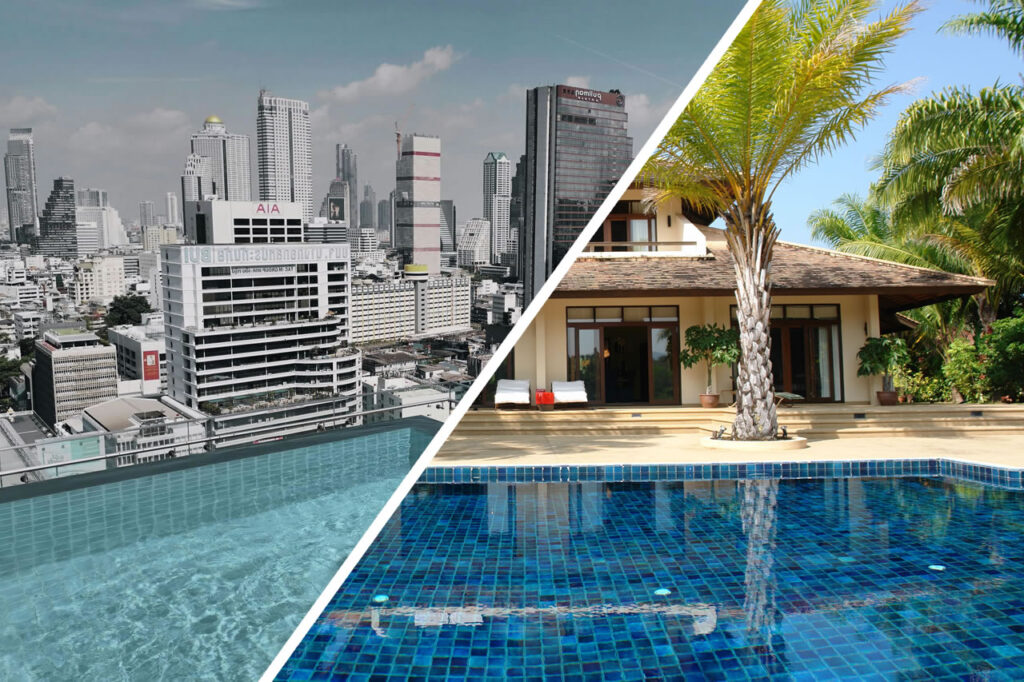
One of the biggest misconceptions about living in Hua Hin is that choosing between a condo and a house is mainly about budget. In reality, it’s usually more about lifestyle.
Many people arrive thinking they want a large pool villa with space and privacy, especially after seeing how much more affordable houses are compared to Europe or North America. And for some people, that absolutely works well.
What sounds ideal at first doesn’t always match how people actually live once daily routines settle in.
Living in a villa usually means living further away from the center, relying heavily on a car or motorbike, dealing with more maintenance, and spending more time at home. In return, you get privacy, outdoor space, quieter surroundings, and often much better value per square meter.
Condos tend to offer the opposite experience. They’re usually located closer to the center or beach areas, require less maintenance, and make daily life simpler, especially for people who like convenience, restaurants, cafés, or short trips into town.
📌 One thing many newcomers underestimate is how much lifestyle habits influence what works best long-term. Some people love the idea of space at first, but later realize they spend most of their time driving. Others initially choose convenience, only to discover they miss having outdoor space and a quieter environment.
There’s also a practical side to this decision. Condos are often easier for short- and medium-term stays, while houses and villas usually make more sense once you’ve settled into a longer-term routine and understand which areas actually suit your lifestyle.
Neither option is objectively better. Hua Hin simply offers very different living experiences depending on what you prioritize day to day.
In general:
- ✅ Condos tend to suit people who prioritize convenience, beach access, simplicity, and lower maintenance.
- ✅ Houses and villas tend to suit people who value space, privacy, quieter surroundings, and a more residential lifestyle.
📌 Still deciding between condo and villa living? Your housing choice will have a major impact on your overall monthly budget. See Cost of Living in Hua Hin: What Expats Really Spend for realistic examples of what expats typically spend living in different parts of Hua Hin.
Short-Term vs Long-Term Stay: Does It Change the Best Area?
Yes — quite a lot, actually.
The best area for a two-week holiday is not necessarily the best place to live for six months or several years.
For short-term stays, convenience usually becomes much more important. Most visitors prefer staying close to the beach, restaurants, cafés, shopping malls, and nightlife, which is why central Hua Hin and Khao Takiab tend to be the most practical choices.
When you’re only staying temporarily, being able to walk places or quickly reach everything by Grab or songthaew adds a lot to the experience. Smaller condos or apartment-style accommodations also tend to work perfectly well for shorter stays, especially if you spend most of your time exploring.
Long-term living often shifts priorities quite a bit.
Once daily life settles in, many people start valuing space, quieter surroundings, privacy, parking, storage, or having a more comfortable home environment. Areas that initially felt “too far out” suddenly become much more attractive once you stop treating Hua Hin like a holiday destination.
That’s one of the reasons why areas like Soi 112, Thap Tai, Hin Lek Fai, or parts of Khao Tao tend to attract more long-term residents and expats.
📌 In practice, many people who move to Hua Hin permanently go through several different phases. They often begin in a central condo or apartment because it feels convenient and familiar, then gradually move toward quieter or more residential areas once they understand how they actually use the city day to day.
At the same time, there’s no universal pattern. Some long-term residents intentionally stay central because they enjoy the convenience and don’t want to rely heavily on driving.
The key point is that the “best” area depends heavily on whether you’re experiencing Hua Hin as a visitor, a seasonal resident, or as part of everyday life.
How to Choose the Right Area for You
Choosing where to stay in Hua Hin becomes much easier once you stop looking for the “best” area and start thinking about how you actually want to live day to day.
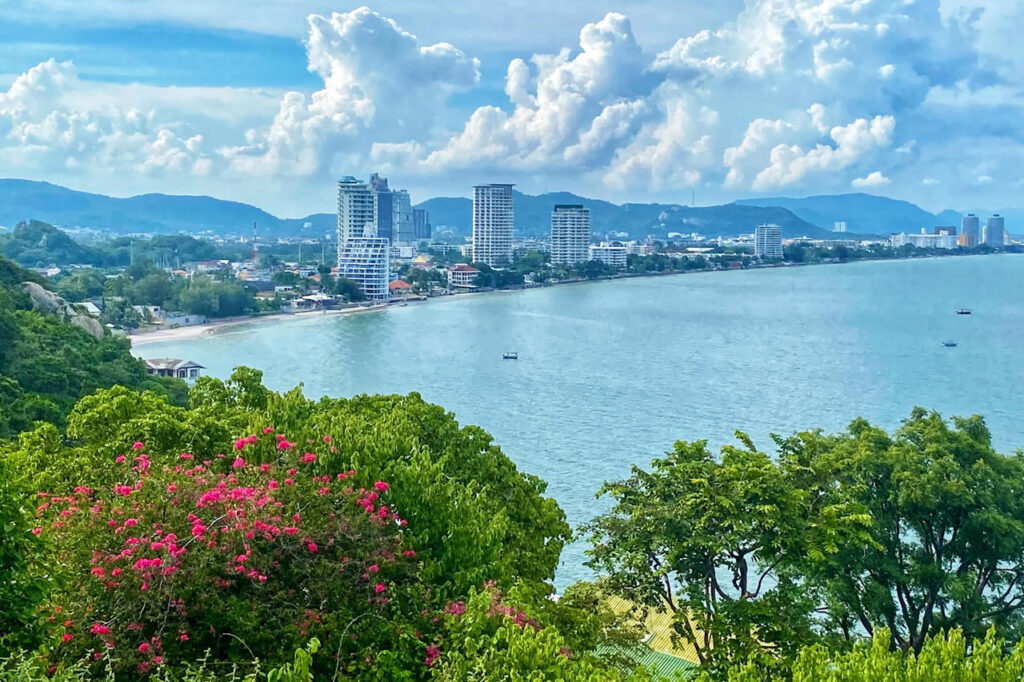
A few practical questions usually make the decision much clearer:
- How important is it for you to be close to restaurants, cafés, shopping, or nightlife?
- Are you comfortable driving everywhere, or do you prefer shorter and simpler daily routines?
- Do you realistically spend more time going out, or more time at home?
- Is beach access something you’ll use regularly, or simply something that sounds appealing?
- Would you rather have convenience and activity around you, or more space and a quieter environment?
📌 One thing I would strongly recommend is visiting potential areas at different times of day before making a long-term decision. An area that feels quiet in the morning can feel very different in the evening, on weekends, or during busy holiday periods.
In the end, the right area is usually the one that fits your routine naturally, not necessarily the one that looks best on paper.

Hua Hin Hub
Explore my collection of Hua Hin guides covering living, healthcare, costs, accommodation, retirement, and everyday life on Thailand’s Gulf Coast.
Essential Guides for Living in Thailand
Whether you’re planning a move, considering retirement, or simply exploring long-term life in Thailand, these guides will help you understand the bigger picture and make more informed decisions.
| Essential Guide | Why It’s Worth Reading |
|---|---|
| Thailand Health Insurance Guide | Understand your options for medical coverage and what’s required for long-term stays. |
| Long-Term Visa Options for Thailand | Explore the visa types available for retirees and long-term expats. |
| Best Places to Live in Thailand | Compare Hua Hin with other popular destinations to find your ideal base. |
| Banking & Financial Tips for Expats in Thailand | Learn how to manage money, transfer funds, and avoid common financial mistakes. |
| How to Embrace Thai Culture | Adjust more easily to daily life by understanding local customs and expectations. |
💬 Have you stayed or lived in Hua Hin before? Feel free to share your experiences, favorite areas, or tips in the comments — it may help other readers make the right choice.