
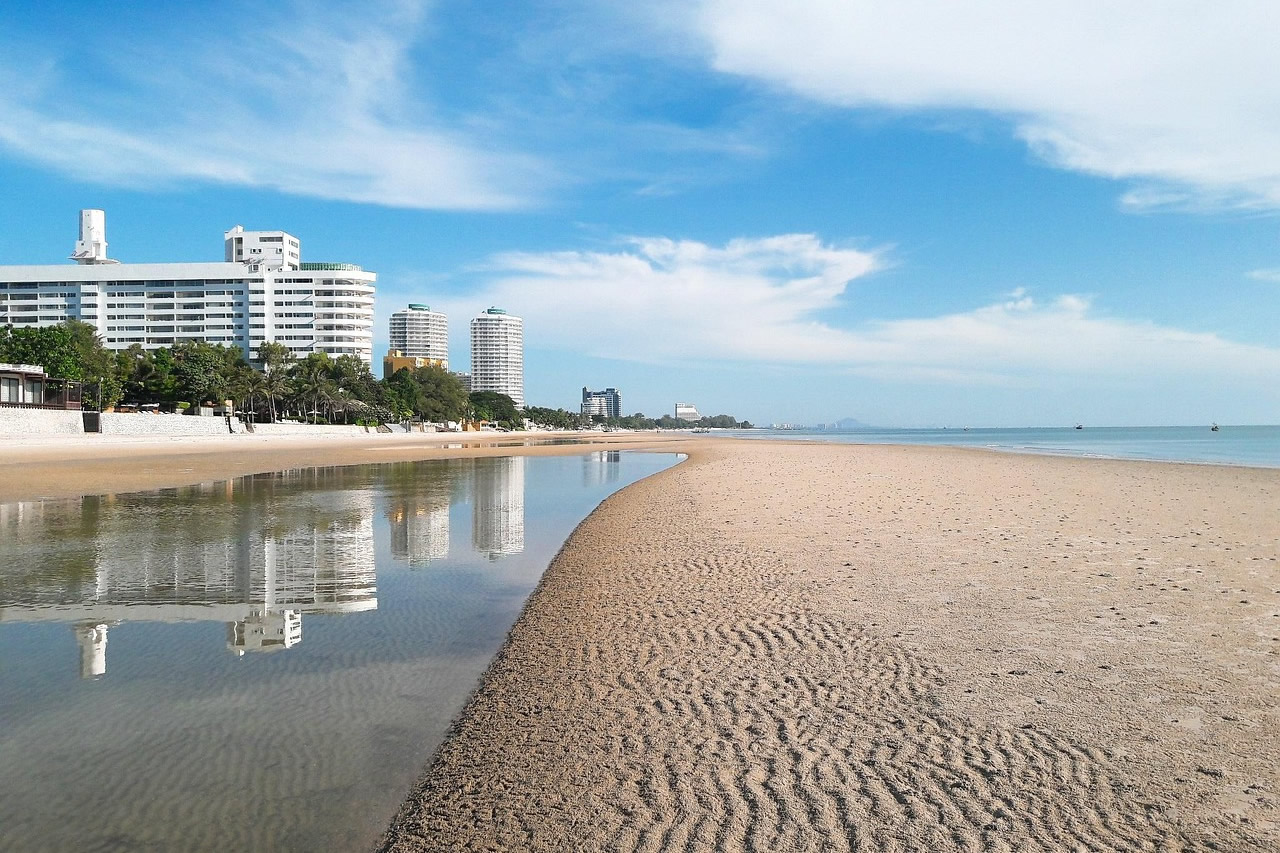
Hua Hin has quietly built a reputation as one of Thailand’s most livable coastal towns. It doesn’t have the flash of Phuket or the energy of Bangkok, but that’s exactly why many expats end up staying.
For long-term living, Hua Hin offers something different: a slower pace, reliable infrastructure, and just enough of everything to make daily life comfortable without feeling overwhelming. It’s a place where routines settle in quickly, and where convenience often matters more than excitement.
But it’s not for everyone. Compared to other parts of Thailand, Hua Hin can feel quiet, spread out, and at times a little predictable.
In this guide, you’ll get a clear, experience-based look at what living in Hua Hin is actually like, so you can decide whether it fits your lifestyle, expectations, and long-term plans.
Why People Choose Hua Hin (Over Other Places)
When people consider living in Thailand long-term, the same few locations usually come up: Bangkok, Chiang Mai, Phuket, and Pattaya. Hua Hin sits slightly outside that spotlight, but for many expats, that’s exactly the appeal.
Each of these destinations offers a very different lifestyle:
- Bangkok is dynamic, convenient, and full of opportunities, but the pace can feel overwhelming over time. Traffic, noise, and constant movement are part of daily life.
- Chiang Mai attracts digital nomads and long-term residents looking for a relaxed, affordable environment, but the lack of a coastline and seasonal air quality are real considerations.
- Phuket offers a strong beach lifestyle with international infrastructure, but comes with higher costs and a more tourism-driven environment.
- Pattaya is highly accessible and offers plenty of entertainment, but its atmosphere and reputation don’t suit everyone looking for a quieter, long-term base. Many expats compare these two cities before deciding where to settle. If that’s you, my detailed Hua Hin vs Pattaya comparison can help you weigh the pros and cons of each.
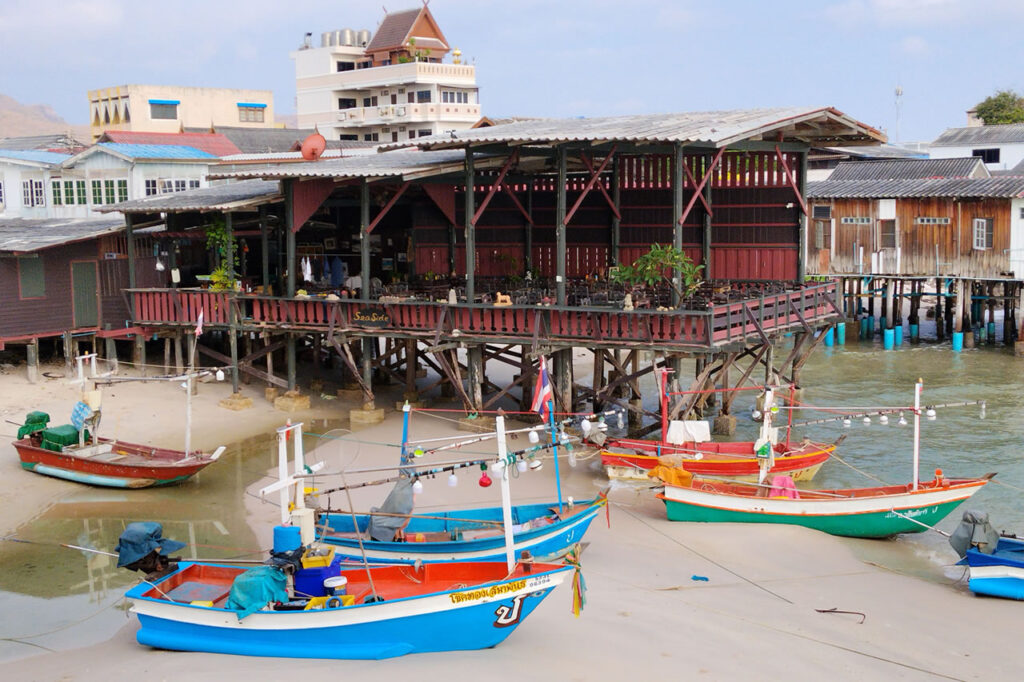
Hua Hin positions itself differently
It offers a more balanced, predictable lifestyle. The town is large enough to provide modern conveniences—shopping malls, private hospitals, and international restaurants—but small enough to remain manageable. You don’t deal with the intensity of a major city, and you’re less exposed to the fluctuations of a heavily tourism-driven destination.
Another key factor is proximity. Hua Hin is only a few hours south of Bangkok, which means easy access to international flights, specialist healthcare, and big-city services when needed. That connection plays a bigger role in long-term living than many people initially expect.
At the same time, choosing Hua Hin usually means accepting certain trade-offs. The town is quieter, less dynamic, and more spread out than other expat hubs. If you’re looking for constant activity or a fast-moving environment, it may feel limiting over time.
✅ For those who value stability, simplicity, and a more relaxed daily rhythm, Hua Hin tends to work well.
What Living in Hua Hin Actually Feels Like
Life in Hua Hin settles into a rhythm quickly.
Most days follow a predictable pattern. Mornings tend to start early, especially with the heat building by late morning. You’ll see people out walking, grabbing coffee, or heading to the beach before it gets too hot. By midday, things slow down. Afternoons are quieter, often spent indoors or in air-conditioned spaces, and activity picks up again in the early evening.
Compared to larger cities like Bangkok, the pace is noticeably slower. There’s less urgency, less noise, and fewer distractions. For many expats, that’s exactly the appeal. Daily life feels manageable, and routines are easy to establish.
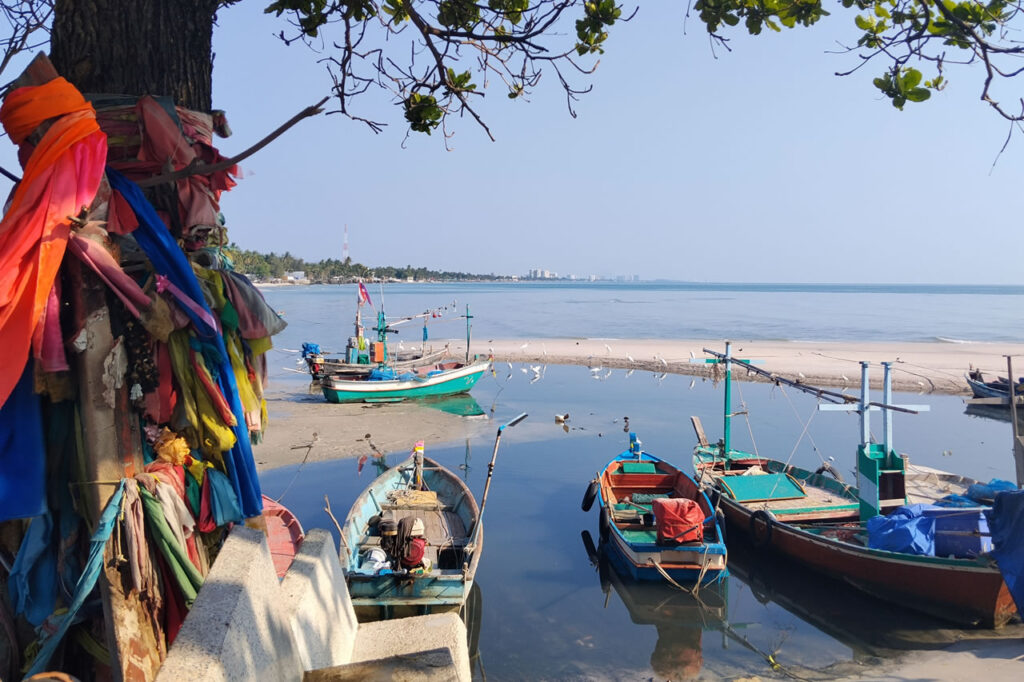
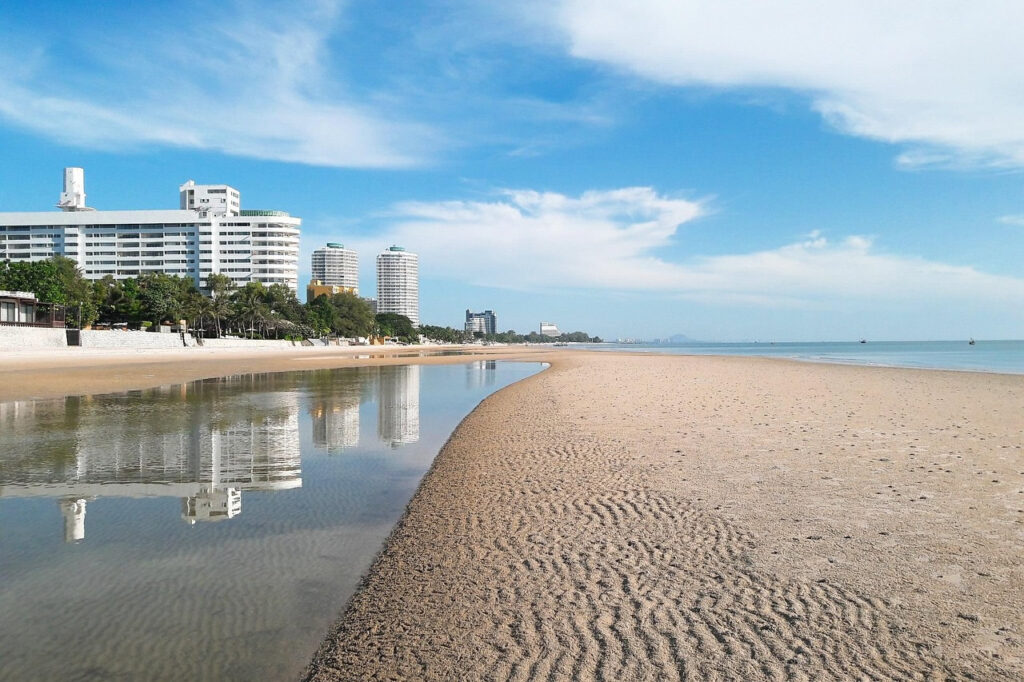
The beach is part of everyday life, but it’s important to set the right expectations. Hua Hin’s coastline is long and accessible, but it doesn’t have the same tropical feel you’ll find in places like Phuket or the islands. It’s more functional than picturesque. People use it for walks, exercise, or a quick escape, rather than as a constant “holiday backdrop.”
Another noticeable aspect is how balanced the environment feels. Hua Hin isn’t dominated by tourism in the same way as some coastal destinations, and it also doesn’t feel purely local. There’s a steady mix of Thai residents, weekend visitors from Bangkok, and long-term expats, creating a relatively stable atmosphere throughout the year.
The town doesn’t change dramatically from week to week. There are fewer spontaneous options, less variety, and a generally slower social rhythm. Some people find that comfortable. Others eventually start looking for more stimulation elsewhere.
📌 In practical terms, living in Hua Hin is less about constant experiences and more about building a routine that works for you.
Where Expats Actually Live in Hua Hin
Hua Hin is more spread out than it first appears, but at the same time surprisingly compact. In practice, most places are within a 10 to 15-minute drive, which makes it easy to balance convenience and a quieter lifestyle depending on where you choose to live.
Rather than thinking in strict neighborhoods, it’s more useful to understand Hua Hin as a gradient from central convenience to quieter residential areas further out.
Central Hua Hin (Including Soi 94 / 88 / 102)
📌 This is where most of the activity is concentrated.
Living here means immediate access to malls, restaurants, hospitals, and nightlife. Areas around Soi 94 and Soi 88 are particularly popular because they offer a mix of housing options while keeping everything within easy reach.
It’s one of the few parts of Hua Hin where you can get by with minimal transport and rely more on short trips or ride-hailing.
The trade-off is noise, traffic, and a more transient atmosphere, especially on weekends when visitors arrive from Bangkok.
✅ Best for: convenience, walkability (by Hua Hin standards), and an active lifestyle.
Khao Takiab (South Hua Hin)
📌 Khao Takiab offers a clear shift in atmosphere without feeling disconnected.
It’s more relaxed, more residential, and has better practical beach access than the center. The area attracts a mix of long-term expats and short-term visitors, but overall feels less hectic.
You’re still only a short drive from central Hua Hin, which makes it one of the most balanced areas in terms of lifestyle.
✅ Best for: those who want a calmer environment with easy access to town.
Soi 112 & Thap Tai (West / Inland Expansion Area)
📌 This is one of the fastest-growing residential zones in Hua Hin.
The area around Soi 112 and Thap Tai is known for newer villa developments, more space, and a quieter environment. It attracts expats who are looking for modern housing, privacy, and a bit of distance from the busier parts of town.
At the same time, you’re still within roughly 10–15 minutes of the center, so it doesn’t feel isolated.
The downside is limited walkability, fewer nearby shops and restaurants, and a strong dependence on having your own transport.
✅ Best for: long-term residents, families, and those prioritizing space and newer housing.
Hin Lek Fai (Inland / Hillside Living)
📌 Hin Lek Fai offers a more residential and slightly more local feel.
Located inland along the Palau Road, this area is known for larger properties, open space, and a quieter environment. It’s also one of the more affordable options for those looking for houses rather than condos.
Despite feeling removed from the center, it’s still only about a 10-minute drive into town.
However, daily life here depends heavily on having a car or motorbike, and some areas are still developing.
✅ Best for: those looking for space, value, and a more private residential setting.
Khao Tao (Far South)
📌 Khao Tao feels more like a separate coastal village than part of Hua Hin.
It offers a quieter, more nature-focused environment, with access to smaller beaches and a slower pace of life. The area has seen more development in recent years, but still retains a more local and less structured feel.
Living here means trading convenience for calm. Trips into Hua Hin are easy by car, but not something you’ll want to do multiple times a day.
✅ Best for: those who want a quieter, village-style environment close to nature.
📌 Want a more detailed breakdown of Hua Hin’s neighborhoods, rental prices, lifestyle trade-offs, and who each area suits best? See the full guide: Where to Stay in Hua Hin: Best Areas for Tourists, Expats & Long-Term Living
How to Choose the Right Area
Choosing where to live in Hua Hin comes down to how you want your daily life to function:
- Want maximum convenience? → stay central
- Prefer beach access with balance? → Khao Takiab
- Looking for modern housing and space? → Soi 112 / Thap Tai
- Want a quieter, residential feel? → Hin Lek Fai
- Prefer a slower, village-style environment? → Khao Tao
📌 Hua Hin doesn’t have a single “best” area, only different trade-offs depending on your priorities.
Cost of Living in Hua Hin
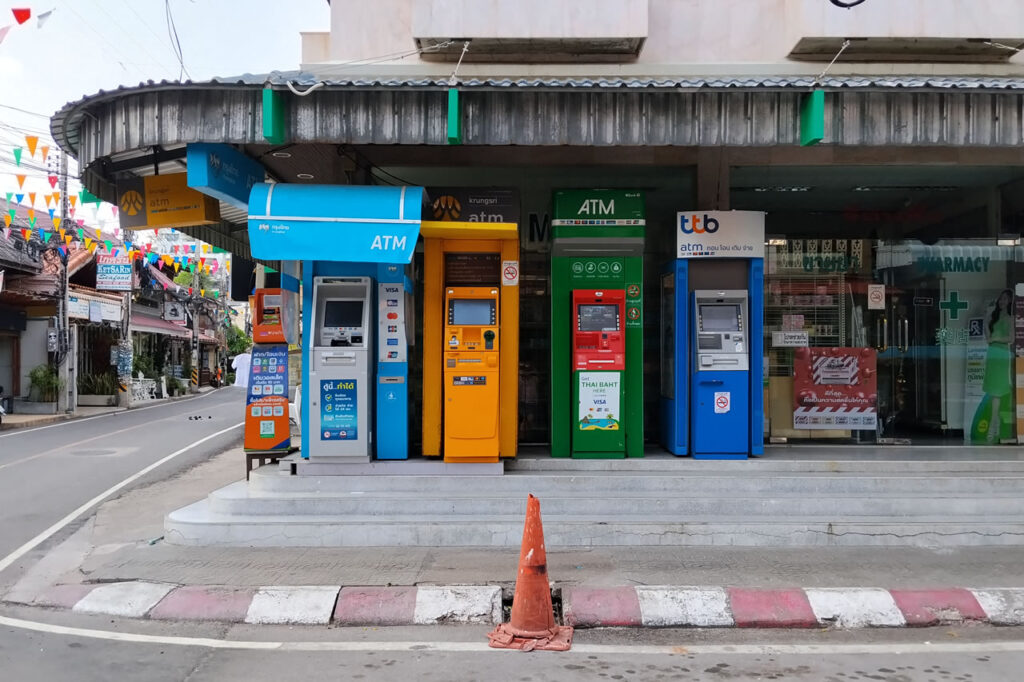
Hua Hin sits in the mid-range when it comes to the cost of living in Thailand. It’s generally more affordable than places like Phuket and central Bangkok, but slightly more expensive than smaller inland cities.
For most expats, living comfortably in Hua Hin typically costs between THB 50,000 and 100,000 per month, depending on housing, spending habits, and how often you rely on Western conveniences.
Housing is the biggest variable:
- A simple condo in a central area typically starts around THB 8,000–15,000/month
- Larger houses or pool villas in areas like Hin Lek Fai or Soi 112 can range from THB 20,000 to 50,000+, depending on size and location
Day-to-day expenses are relatively manageable. Local food, transport, and basic services are inexpensive—for example, a typical Thai meal might cost around THB 60–100, while short rides using apps like Grab or Bolt are often around THB 100. Costs rise quickly, however, if you prefer imported goods, Western dining, or frequent travel.
Compared to major cities, Hua Hin doesn’t force high spending, but it naturally settles most expats into a comfortable mid-range lifestyle. At the same time, it’s not designed for ultra-low budgets either. Most long-term residents settle into a comfortable middle ground rather than trying to minimize expenses.
In practical terms, Hua Hin suits those who are looking for a stable and predictable cost structure, rather than the lowest possible cost of living.
📌 Want a more detailed breakdown of housing, food, healthcare, transportation, hidden expenses, and realistic monthly budgets? See Cost of Living in Hua Hin: What Expats Really Spend
Getting Around Hua Hin (Daily Reality)
Getting around Hua Hin is straightforward but not always as convenient as it first appears.
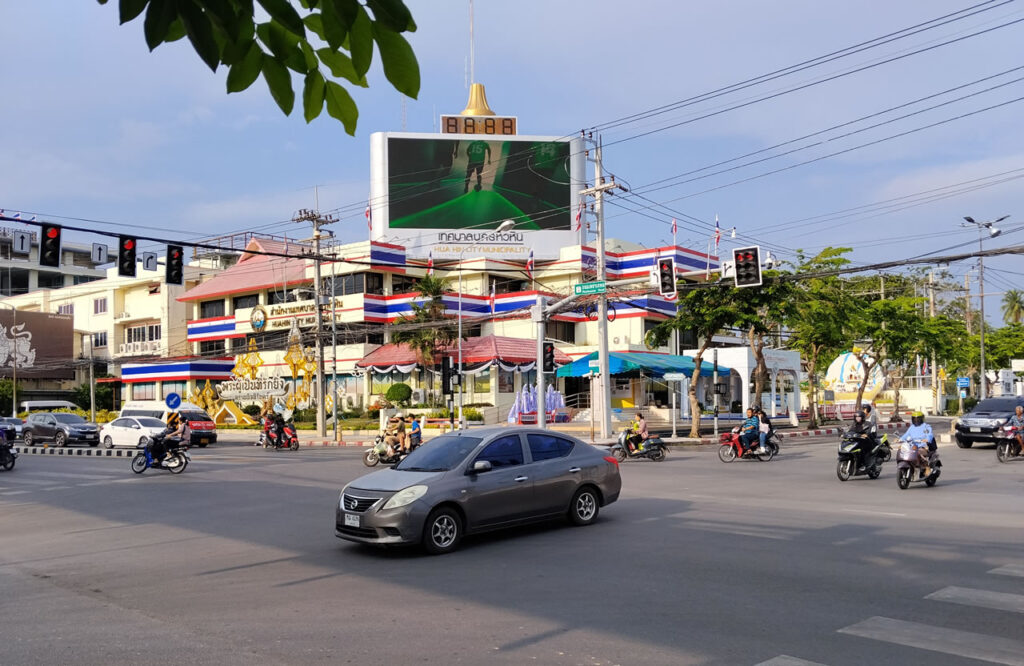
At a glance, the town looks compact. In reality, it stretches along the coast and inland, and daily life often involves short but frequent trips between different areas. What looks like a quick distance on the map can still require planning, especially in the heat.
📌 For most long-term residents, having your own transport makes a significant difference.
Car vs Motorbike
Many expats eventually choose to have a car, especially if they live outside central areas.
A car offers comfort, protection from the heat, and flexibility for errands, shopping, and trips into town. It becomes particularly useful if you’re based in areas like Hin Lek Fai or around Soi 112, where daily distances are slightly longer.
Motorbikes are a common alternative and work well for shorter trips. They’re faster in traffic and easier to park, but less comfortable in heavy heat or rain.
📌 In practice, transport choice often comes down to lifestyle and how far you are from the center.
Grab & Bolt (Useful, but Limited)
Ride-hailing apps like Grab and Bolt are widely used in Hua Hin and work reliably for short trips.
They’re convenient if you don’t want to drive or only need occasional transport. However, availability can vary depending on location and time of day, especially outside central areas.
📌 Costs are generally reasonable, but relying on apps for every trip can become inconvenient over time.
Walkability (More Limited Than It Looks)
Hua Hin is not particularly walkable.
While some central areas allow for short walks between restaurants, cafés, and shops, much of the town is spread out. Pavements are inconsistent, and crossing major roads like Phetkasem Road can be inconvenient, even though pedestrian bridges exist in some locations.
📌 In practical terms, walking works for short distances—but it’s not a reliable way to structure daily life.
Songthaews & Local Transport
Songthaews (shared pickup taxis) run along fixed routes and are a low-cost way to get around, particularly between central Hua Hin and Khao Takiab.
📌 They’re simple to use once you’re familiar with the routes, but they don’t cover all areas and aren’t ideal for flexible, day-to-day travel.
What This Means for Daily Life
In practical terms, living in Hua Hin without your own transport is possible, but it comes with limitations.
If you’re based in central areas, you can rely more on short trips and ride-hailing apps. The further you move away from the center, the more important it becomes to have your own vehicle.
📌 For most expats, having at least a motorbike—or more commonly a car—simply makes daily life easier and more predictable.
Healthcare & Everyday Living in Hua Hin
Healthcare is one of the key reasons many expats choose Hua Hin for long-term living, especially those in retirement age.
The town has several well-established private hospitals that cover most routine and emergency needs. Facilities such as Bangkok Hospital Hua Hin and San Paulo Hospital are experienced in dealing with international patients, and standards are generally high. Access is straightforward, waiting times are reasonable, and English-speaking staff are widely available.
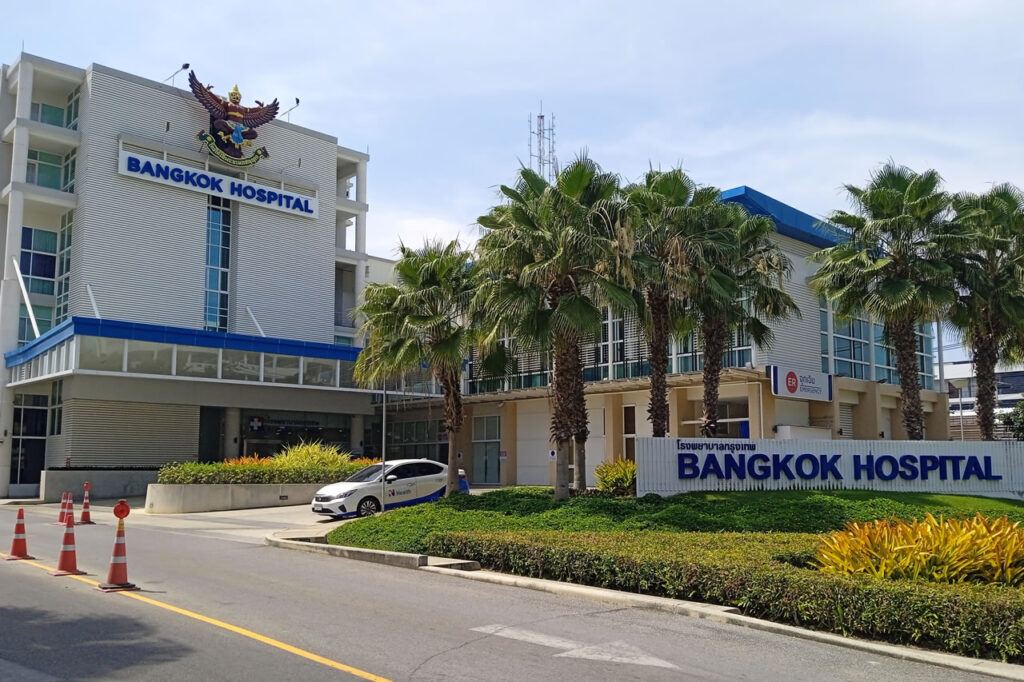
For everyday medical care, check-ups, and common procedures, Hua Hin is more than sufficient. Pharmacies are easy to find, and basic healthcare is both accessible and affordable.
📌 Want a detailed look at Hua Hin’s hospitals, specialist clinics, healthcare costs, home care services, assisted living facilities, and retirement-focused healthcare options? See Healthcare & Assisted Living in Hua Hin: A Guide for Retirees and Expats
For more complex treatments or highly specialized procedures—such as advanced cardiac care, certain types of cancer treatment, or complex surgeries—many residents choose to go to Bangkok. In practice, this works well. You handle day-to-day healthcare locally and rely on Bangkok when needed, with the journey taking only a few hours.
Elderly Care & Assisted Living in Hua Hin
For those considering retirement, Hua Hin is a well-established base with a growing number of high-quality options for assisted living and long-term care. The town has developed a strong reputation in this area, with several facilities specifically catering to foreign retirees. Standards are generally high, and the sector continues to expand as demand increases.
Daily Living in Hua Hin
The town offers a good mix of local and international convenience. Modern shopping malls such as Bluport and Market Village provide access to supermarkets, pharmacies, and imported goods, while local markets and smaller shops cover everyday essentials at lower cost.
At the same time, convenience depends heavily on location. If you live outside central areas, even simple errands usually require a short drive. Hua Hin functions well, but it’s not a place where everything is within walking distance.
Social Life, Community & Lifestyle Fit
Social life in Hua Hin is more developed than many people initially expect, but it works differently from larger cities and major tourist hubs.
There is a solid mix of activities available. Many expats build their routines around things like gym sessions, golf, tennis, cycling, or regular beach walks. There are also plenty of cafés, restaurants, and casual meeting spots where people naturally connect over time rather than through structured events.
The expat community is well established, with a steady mix of long-term residents and returning visitors. Social circles tend to form through shared routines—same gym, same café, same evening spots—rather than constant new encounters. It’s not difficult to meet people, but it usually happens gradually.
Nightlife in Hua Hin is more active than its reputation suggests. Central areas offer a wide range of bars, live music venues, and restaurants that stay busy. While it doesn’t have the scale or intensity of Pattaya or Bangkok, it still provides enough variety for regular nights out without feeling repetitive for most residents.
At the same time, social life here is less driven by constant options. Over time, most people settle into a smaller number of regular places and familiar faces. For some, that creates a comfortable and stable environment. For others, it can feel limiting if they’re used to a more fast-moving or constantly changing social scene.
Remote Work & Long-Term Practicality
Hua Hin is not typically seen as a major digital nomad hub, but that doesn’t mean remote work isn’t viable here.
In fact, for those who already have a stable remote setup, Hua Hin can be a very comfortable place to live and work. The slower pace, lower levels of distraction, and generally predictable daily rhythm make it easy to maintain a consistent routine.
Internet reliability is generally good, especially in condos and newer housing developments. Most places offer high-speed connections suitable for video calls, cloud-based work, and day-to-day online tasks.
That said, Hua Hin lacks the density of coworking spaces and networking opportunities found in places like Chiang Mai or Bangkok. There are a few cafés and occasional work-friendly spots, but the environment is not built around a large, highly active remote work community.
As a result, remote work here tends to be more self-directed. You’re less likely to find spontaneous connections, events, or a built-in professional network. For some, that’s a benefit. For others, it can feel isolating over time.
Who Hua Hin Is Right For
Hua Hin is not a one-size-fits-all destination, but for the right type of person, it offers a very comfortable and sustainable lifestyle.
It tends to suit those who value stability over constant variety. If you prefer a slower pace, predictable routines, and a more manageable environment, Hua Hin is easy to settle into long term.
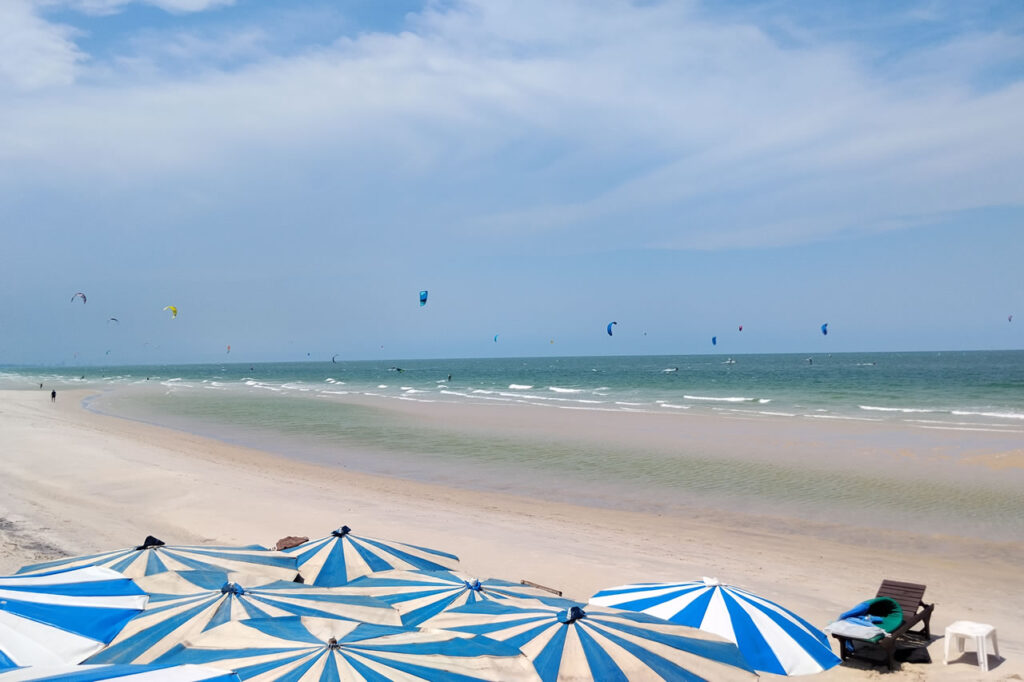
A major part of that lifestyle is the beach. While it may not have the dramatic scenery of Thailand’s islands, it plays an important role in daily life. Many residents build their routines around morning walks, exercise, or simply spending time by the sea. If having regular, easy access to the beach matters to you, Hua Hin delivers in a very practical and accessible way.
The town also works well for retirees and long-term expats who prioritize access to reliable healthcare, good infrastructure, and a relatively stress-free daily life. It’s a place where you can build a routine that feels comfortable without needing to constantly adapt or adjust.
At the same time, Hua Hin appeals to those who don’t rely on a highly active social scene or a constant stream of new experiences. Social life exists and can be fulfilling, but it’s usually built over time rather than immediately available.
On the other hand, Hua Hin may not be the best fit if you’re looking for a fast-paced environment, a highly dynamic social life, or a place with constant variety and stimulation. In that case, larger cities or more tourism-driven destinations are likely a better match.
📌 Thinking about making the move?
Before you commit, it’s worth stepping back and looking at the bigger picture. This guide on how to know if you’re really ready to move to Thailand walks through the key factors most expats overlook.

Hua Hin Hub
Explore my collection of Hua Hin guides covering living, healthcare, costs, accommodation, retirement, and everyday life on Thailand’s Gulf Coast.
Essential Guides for Living in Thailand
Whether you’re planning a move, considering retirement, or simply exploring long-term life in Thailand, these guides will help you understand the bigger picture and make more informed decisions.
| Essential Guide | Why It’s Worth Reading |
|---|---|
| Thailand Health Insurance Guide | Understand your options for medical coverage and what’s required for long-term stays. |
| Long-Term Visa Options for Thailand | Explore the visa types available for retirees and long-term expats. |
| Best Places to Live in Thailand | Compare Hua Hin with other popular destinations to find your ideal base. |
| Banking & Financial Tips for Expats in Thailand | Learn how to manage money, transfer funds, and avoid common financial mistakes. |
| How to Embrace Thai Culture | Adjust more easily to daily life by understanding local customs and expectations. |
💬 Are you considering Hua Hin, or already living here? Let me know what’s on your mind in the comments.