
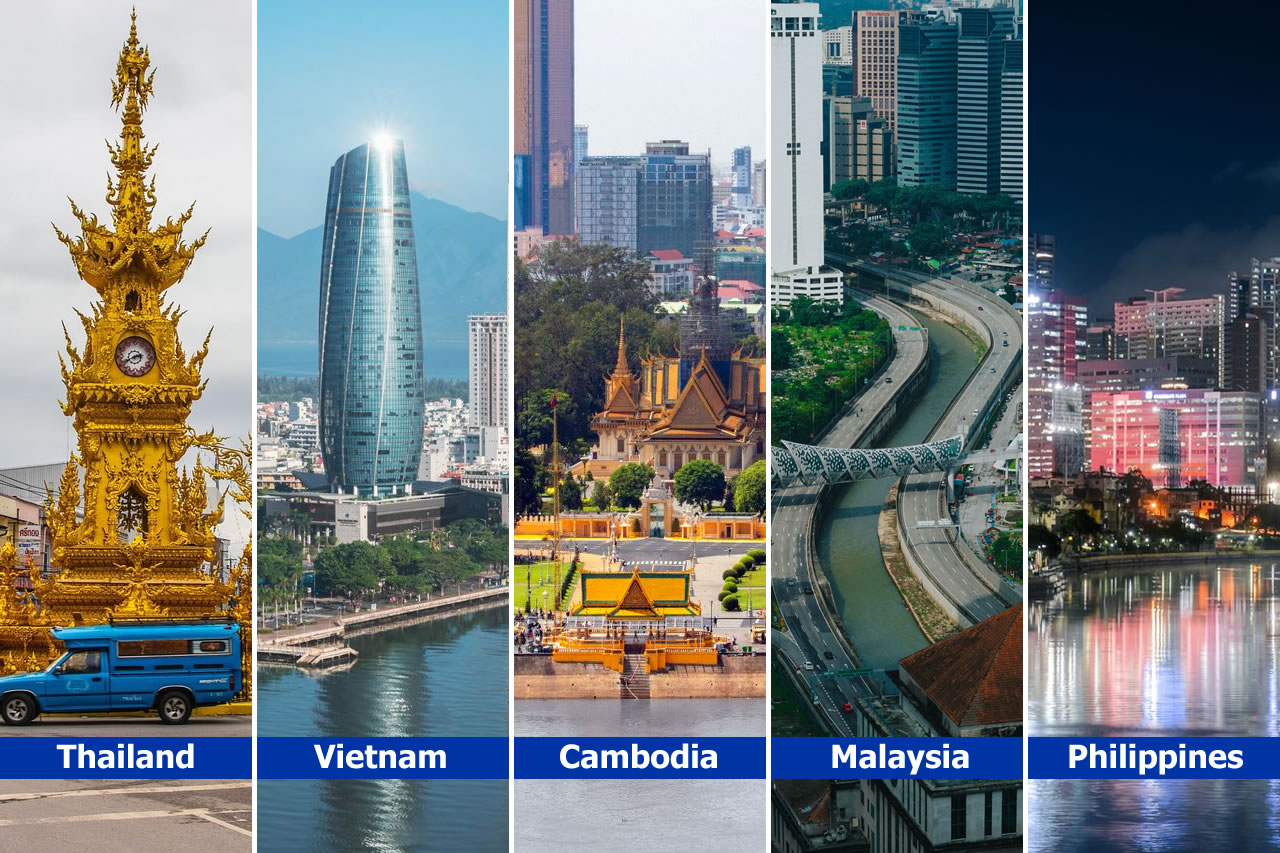
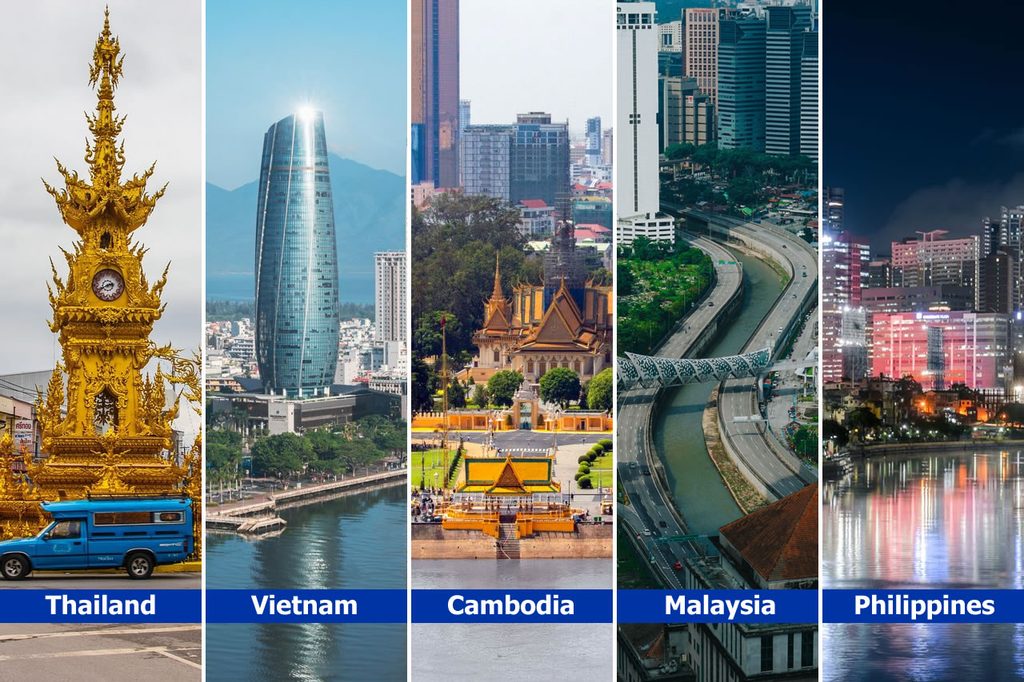
Choosing between Thailand and another Southeast Asian country involves more than comparing rent, food prices and beaches. A place that suits a retiree with a pension may be impractical for someone who needs local employment. An affordable coastal town may become less appealing if specialist healthcare requires a long journey.
The useful question is which country offers a workable life for your circumstances, and what you would gain or give up by choosing it. That means looking at your right to stay, opportunities to earn, everyday costs, healthcare, local culture and the specific places you could realistically call home.
After nearly 30 years in Thailand, including around 25 years in Chiang Mai before moving to Hua Hin, I know how much location and personal priorities can change the experience of living here. Thailand provides the reference point for this guide, with researched comparisons covering Vietnam, Cambodia, Malaysia and the Philippines, plus a shorter look at Indonesia, particularly Bali.
The aim is to help you build a realistic shortlist. We will compare the main requirements and practical differences, using named locations and Thai reference points to make unfamiliar destinations easier to picture. This is a guide to making an informed choice, rather than an exhaustive account of every country or immigration route.
How Your Circumstances Change the Comparison
The same country can offer very different prospects to a retiree, a remote worker and someone seeking local employment. The source of your income and the basis of your stay can matter as much as the amount you have available each month.
Someone with a pension may be free to choose a smaller coastal town. Someone who needs a local salary may depend on opportunities in a major city. For a family, school fees and a partner’s employment options can outweigh savings on rent and food.
Retirement and Overseas Income
For people supported by pensions, savings or investments, the comparison involves both everyday affordability and the conditions attached to long-term residence.
Thailand and the Philippines have established retirement programmes. Malaysia’s federal Malaysia My Second Home programme offers another basis for long-term living, but its categories require fixed deposits and property purchases. Money available for daily spending and money committed to securing residence are two different parts of the budget.
The availability of a convenient visitor visa can also create a misleading impression of long-term accessibility. Vietnam’s e-visa allows stays of up to 90 days, with single or multiple entry. It provides time to experience the country, but does not by itself establish a basis for residence over several years.
Remote Work, Local Employment and Business
For remote workers, permission to stay and permission to carry out their work are separate considerations. Thailand’s Destination Thailand Visa includes a workcation category for remote workers and freelancers. Eligibility depends on the qualifying activity and supporting evidence, rather than simply having enough money to live in Thailand.
For people seeking local employment, the balance changes again. Lower living costs offer less of an advantage when salaries are also lower, suitable vacancies are scarce or an occupation is restricted. Employer sponsorship, qualifications and language requirements can determine which opportunities are accessible.
Business ownership brings another set of distinctions. Owning a company, managing it and personally carrying out its services are not necessarily covered by the same permissions. The practical comparison therefore includes both the opportunity to earn and the legal conditions attached to that activity.
Moving Alone, as a Couple or With Children
A monthly budget that works comfortably for one person may say little about the cost of moving with a family. Housing requirements, international schooling, medical cover and transport can change the calculation substantially.
Residence arrangements also need to accommodate the household. A programme may accept dependants without giving an accompanying partner the right to work. For a couple relying on two incomes, that distinction can matter more than a modest difference in everyday prices.
| Factor | How it changes the comparison |
|---|---|
| Basis of stay | A country’s appeal for a few months may differ from its practicality as a home over several years. |
| Financial requirements | Affordable living costs can sit alongside substantial residence-related deposits or investment requirements. |
| Source of income | Overseas earnings, a pension and a local salary can provide very different purchasing power and immigration options. |
| Healthcare needs | Access to appropriate treatment can narrow the choice of locations within an otherwise suitable country. |
| Household circumstances | A partner’s work options, dependants’ residence and school fees can alter the overall balance. |
Can You Build a Stable Long-Term Life There?
A country can feel like home long before its immigration system offers anything resembling permanent residence. Across Southeast Asia, many foreigners spend years on renewable permissions, with their continued stay depending on financial requirements, employment, family circumstances or programme conditions.
The important differences are how long each permission lasts, what is required to maintain it and how much money or administration it involves. A longer visa is useful, but its headline validity does not always describe how long someone can remain without an extension, departure or further assessment.
Retirement and Living on Overseas Income
Thailand
Thailand’s conventional retirement routes start at age 50. A common arrangement is a Non-Immigrant O visa followed by renewable one-year extensions based on retirement.
The principal financial alternatives for the retirement extension are THB 800,000 in a Thai bank account or THB 65,000 in monthly income. A combination method also exists, subject to the applicable evidence and balance requirements. Under the bank-deposit method, the money must be maintained for specified periods; it is not simply a balance shown on application day.
This provides an established basis for living in Thailand without purchasing property. It does, however, involve recurring extensions and supporting documents. The Non-O and Non-O-A routes also have different insurance requirements, so the label “retirement visa” can conceal meaningful differences.
📌 My guide to long-term visa options for Thailand covers the main routes and their individual requirements.
Vietnam
Vietnam has no dedicated retirement visa category. A pension or substantial savings does not, by itself, create eligibility for long-term residence. Its residence-card categories instead cover qualifying circumstances such as employment, investment and family connections.
An e-visa permits stays of up to 90 days, but this remains a temporary arrangement. Someone relying on successive visitor permissions faces departures, further applications and the possibility that a future application or entry will not be approved.
For a retiree without qualifying family ties or another residence basis, this is a substantial difference from Thailand. Vietnam’s living costs may be attractive, but they do not resolve the immigration question.
Cambodia
Cambodia’s retirement arrangement is the ER extension of stay, obtained after entering on an Ordinary E-class visa. The initial permission normally allows 30 days. ER extensions are available for up to twelve months at a time and can be renewed.
The route is generally intended for retired applicants aged 55 or above. Evidence of retirement and sufficient money to support yourself may be requested. Published guidance is less specific about financial thresholds than Thailand’s stated income and bank-balance requirements, so Cambodia should not be understood as having no financial assessment.
Six- and twelve-month extensions allow multiple entry, making travel abroad possible without obtaining a new entry visa for each return during their validity. The arrangement provides a renewable basis for retirement, with continued residence dependent on maintaining the appropriate permission.
Malaysia
Malaysia’s federal Malaysia My Second Home programme, or MM2H, involves a larger financial commitment than Thailand’s conventional retirement extension.
Its main categories are open from age 25. The Silver category offers a renewable five-year term, with a USD 150,000 fixed deposit and a compulsory residential property purchase worth at least RM 600,000. Gold and Platinum have longer terms and higher financial requirements. Up to half the fixed deposit can be withdrawn for specified approved purposes after approval; the deposit and property requirements should therefore not be treated as entirely separate, permanently locked sums.
The purchased property must generally be retained for ten years, with an exception for upgrading to a higher-value residence. This makes the commitment longer than the Silver programme’s initial five-year term.
MM2H is not one uniform arrangement across Malaysia. There is also a federal special-zone category, while Sarawak operates its own programme with separate conditions. Sarawak’s revised requirements include a RM 500,000 fixed deposit per application, including the spouse and dependants.
For someone comfortable committing capital and purchasing a home, federal MM2H may fit a settled plan. For someone who prefers renting and retaining flexibility, the property requirement is a significant consideration.
The Philippines
The Philippines offers the Special Resident Retiree’s Visa, or SRRV. Under the current expanded programme, principal applicants can qualify from age 40, with deposit requirements varying by age and pension status.
For the mainstream SRRV Classic option:
| Applicant | Required deposit |
|---|---|
| Age 50 or above, with a qualifying pension | USD 15,000 |
| Age 50 or above, without a qualifying pension | USD 30,000 |
| Age 40–49, with a qualifying pension | USD 25,000 |
| Age 40–49, without a qualifying pension | USD 50,000 |
To qualify for the lower pensioner deposit, applicants need a lifetime pension of at least USD 800 per month when applying alone, or USD 1,000 with dependants. Applicants without a qualifying pension use the higher deposit amounts shown above. Application charges and annual programme fees are additional.
The SRRV provides indefinite stay and multiple entry while its conditions remain satisfied. This differs from obtaining a fresh one-year retirement extension in Thailand. It still involves maintaining the required deposit or an approved qualifying investment, paying programme fees and keeping programme documentation current.
Residence for Remote Workers, Employees and Business Owners
For working-age residents, immigration options depend more closely on the activity undertaken.
Thailand’s Destination Thailand Visa, or DTV, provides five-year multiple-entry validity, with stays of up to 180 days per entry and the possibility of one extension of up to another 180 days. Financial evidence of at least THB 500,000 is required alongside evidence of the qualifying purpose. It is not permission for five uninterrupted years in Thailand, and its workcation category does not authorise local employment or freelance services for Thai clients.
Malaysia has the DE Rantau Nomad Pass for qualifying remote workers. As of November 2026, new applications are temporarily closed during a transition. MDEC has announced reopening on 1 December 2026 under an enhanced framework, allowing eligible holders to remain for up to four years, including approved renewals. That is an announced change, rather than the application arrangement currently operating.
In Vietnam, qualifying employment, investment or family connections can support temporary residence cards. An employee with a qualifying job therefore faces a different residence situation from a retiree relying on visitor entries.
The Philippines has authorised a digital nomad visa through an executive order, but authorisation alone does not establish that applications are available through a functioning process.
Employment and business routes also involve sponsorship, work permissions and activity restrictions. Their practical value depends on the opportunities available as well as the residence permission attached to them.
Renewals, Travel and Permanent Residence
Renewable residence can support a settled life, but it remains conditional. Annual applications, financial evidence, reporting and travel formalities affect how much administration that life involves.
Thailand’s conventional retirement arrangements include recurring extensions and generally require 90-day reporting during uninterrupted stays. Other Thai programmes have different obligations: LTR holders, for example, use annual reporting instead of the standard 90-day report.
Long residence also does not automatically become permanent residence. Malaysia explicitly states that MM2H does not lead to permanent residence or citizenship. Thailand has a separate permanent residence process requiring qualifying immigration history and an eligible application category; years spent living there are not sufficient by themselves.
The Philippines’ SRRV offers a different form of continuity through conditional indefinite stay. Vietnam’s longer-term position depends heavily on the underlying employment, investment or family basis. These distinctions affect both the paperwork involved and how securely someone can plan several years ahead.
Can You Work and Earn a Living There?
Living in Southeast Asia on an overseas income is a different proposition from earning a living locally. The same rent can look inexpensive against a European salary and demanding against a local employment contract.
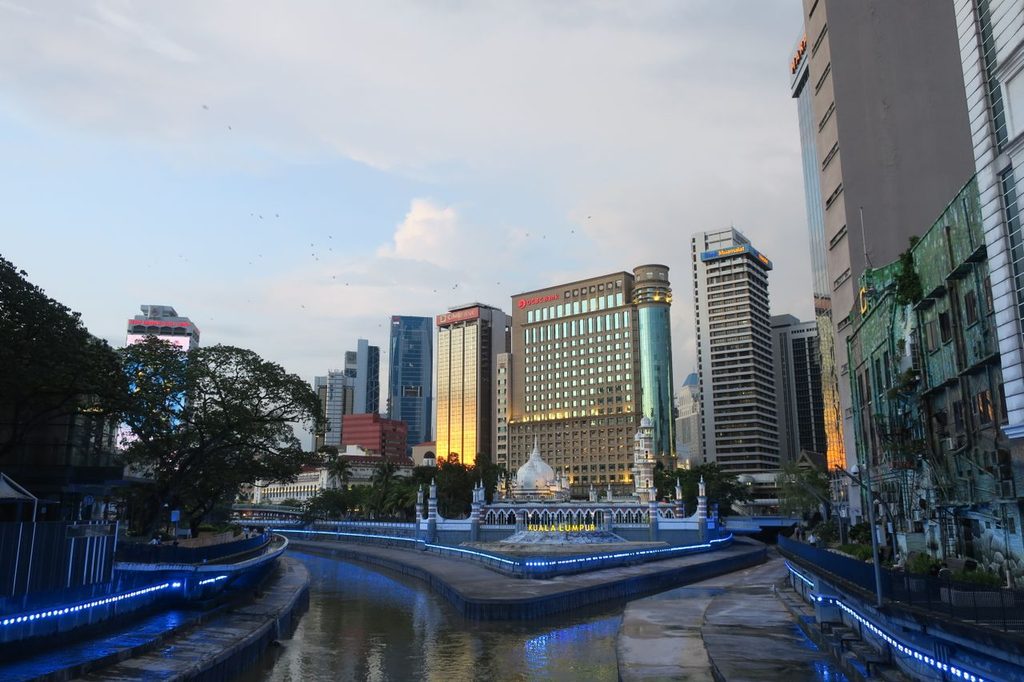
For someone who needs to work, the comparison depends on which jobs are accessible, what employers pay and whether the necessary permissions are available. A country’s popularity with retirees or remote workers says relatively little about its suitability for finding local employment.
Finding Local Employment
Teaching, specialist technical work, management and roles connected with international businesses are among the possibilities for foreign applicants. However, experience that is valuable at home does not automatically translate into an accessible job abroad. Professional licensing, language, employer sponsorship and restrictions on foreign workers can all affect the outcome.
Thailand
Thailand offers opportunities in education and in specialist or management roles, but it also reserves numerous occupations for Thai nationals. Tour guiding, Thai massage and clerical or secretarial work are examples of restricted activities. A work permit does not override an occupational prohibition.
Teaching provides a concrete illustration of both the opportunities and the limitations. In November 2026, SINE Education advertises English-teaching positions starting at THB 35,000 per month, while its mathematics and science positions in Bangkok and surrounding areas start at THB 42,000. The latter require a relevant degree, teaching experience and citizenship from specified English-speaking countries. These are individual employer offers, rather than national salary averages.
For a German or another applicant outside those nationality criteria, the advertised salary alone therefore does not establish that the position is accessible. Other employers have different requirements, but fluency in English and eligibility for a particular teaching job are not always treated as the same thing.
📌 My Thailand work permit guide explains the distinction between immigration status, work authorisation and permitted activities.
Vietnam
Vietnam’s foreign-worker framework centres on qualifying managers, executive directors, experts and technical workers, with specific exemptions and provisions for other circumstances. Employers generally need to explain their need for the foreign appointment as part of the permit process.
English teaching is one visible employment route. ILA’s recruitment information advertises income of up to VND 500,000 per teaching hour for new teachers, with visa and work-permit support. That is an advertised upper figure, not a guaranteed starting rate or monthly salary. Monthly earnings depend on the paid hours and contract terms.
Vietnam can therefore present a more workable immigration position for someone with qualifying employment than for a retiree without another residence basis. The job and the supporting documents are central to that difference.
Cambodia
Cambodia has foreign recruitment in education, but reputable employers still impose substantive requirements. ACE’s November 2026 recruitment for Phnom Penh and Siem Reap requires non-Cambodian teachers to hold a university degree and a recognised teaching qualification; two years of English-teaching experience is preferred. The advertised benefits include work-visa and work-permit cover.
An Ordinary E-class visa or business extension does not replace a work permit. Cambodian labour law requires foreign workers to hold the relevant work permit and employment card. Employers also face foreign-workforce quotas, with permission to exceed the normal limit dependent on approval.
Cambodia’s reputation for relatively accessible long stays should therefore be separated from the question of lawful employment.
Malaysia
Malaysia’s expatriate employment system places considerable weight on salary and the employer’s justification for the appointment. Since 1 June 2026, the standard Employment Pass salary bands are:
| Employment Pass category | Monthly salary band |
|---|---|
| Category I | RM 20,000 or above |
| Category II | RM 10,000–19,999 |
| Category III | RM 5,000–9,999 |
These are immigration salary thresholds, not typical earnings or guaranteed offers. Meeting a threshold does not establish eligibility by itself. Sector-specific conditions also apply: MIDA specifies a RM 7,000 minimum for Category III in manufacturing and manufacturing-related services.
The framework is designed around appointments that complement the Malaysian workforce, including specialist and leadership roles. For an experienced professional with a sponsoring employer, this can provide a defined route. For someone hoping to fund a move through an ordinary low-paid job, the standard expatriate route is a different proposition.
The Philippines
The Philippines generally requires an Alien Employment Permit, alongside appropriate immigration permission, for non-resident foreigners taking local employment unless an exemption or exclusion applies. The assessment includes whether a competent, able and willing Filipino is available to perform the work.
This makes the employer’s reason for recruiting a foreign applicant important. Specialist expertise, management responsibilities or a particular language requirement may provide a stronger basis than applying for work readily available to local candidates.
Ease of communicating in English does not remove the employment-permission requirements. Day-to-day accessibility and access to the labour market are separate advantages.
What the Salary Figures Actually Mean
A monthly school salary, an hourly language-centre rate and a corporate employment package cannot be compared directly.
Hourly teaching income depends on the number of paid classes. Preparation, travel between locations and cancellations may affect the relationship between hours worked and income received. A monthly contract raises different questions about paid school holidays, contract length and renewal gaps.
For professional appointments, housing, medical insurance, flights and school-fee support can materially change the value of an offer. A locally recruited employee and someone transferred from overseas may receive very different packages for apparently similar work.
The practical comparison is between take-home income and the costs attached to the actual job location. A salary that supports comfortable living in a provincial town may leave much less room for saving in a capital city or expensive resort area.
Working Remotely
For people who already earn from overseas employers or clients, local salary levels are less relevant. Residence conditions, the permitted activity, tax and the employer’s willingness to allow overseas working become more significant.
Thailand’s DTV workcation category expressly covers qualifying remote workers and freelancers, while excluding employment with Thai companies and freelance services for Thai clients. Malaysia’s DE Rantau programme also provides a defined route for qualifying overseas work, subject to its programme conditions and the transition described above.
Having foreign clients does not, by itself, settle every immigration or work-permission question. A visitor entry, retirement permission or business registration may cover a different purpose. Tax obligations also require separate consideration, even when payments arrive in an overseas bank account.
Someone arriving with established remote income has a different financial position from someone hoping to develop it after moving.
Starting a Business or Freelancing Locally
The legal structure can change the feasibility of the same business idea considerably.
| Country | Main ownership consideration |
|---|---|
| Thailand | Many activities fall within the Foreign Business Act’s restrictions. Majority foreign ownership may require a licence, certificate or qualifying exception, depending on the activity. |
| Vietnam | Foreign-investor market access depends on the business line. Conditions can include ownership limits, permitted investment structures and activity-specific requirements. |
| Cambodia | Full foreign ownership is permitted in most sectors, with exceptions and separate restrictions on land ownership. |
| Malaysia | Full foreign ownership is available in manufacturing; service-sector permissions depend on the activity and applicable regulatory conditions. |
| The Philippines | Foreign ownership depends on the activity, applicable restrictions and capital requirements. A small business serving the domestic market can face substantial capital thresholds. |
These distinctions come from the countries’ investment frameworks; none amounts to automatic permission for the owner to work in the business.
The Philippines illustrates why ownership percentages alone can be misleading. Its foreign-investment rules generally reserve micro and small domestic-market enterprises with less than USD 200,000 in paid-in capital to Philippine nationals, subject to qualifying exceptions that can reduce the threshold to USD 100,000. Those figures are not a universal incorporation minimum for every business, and separate sector rules can apply.
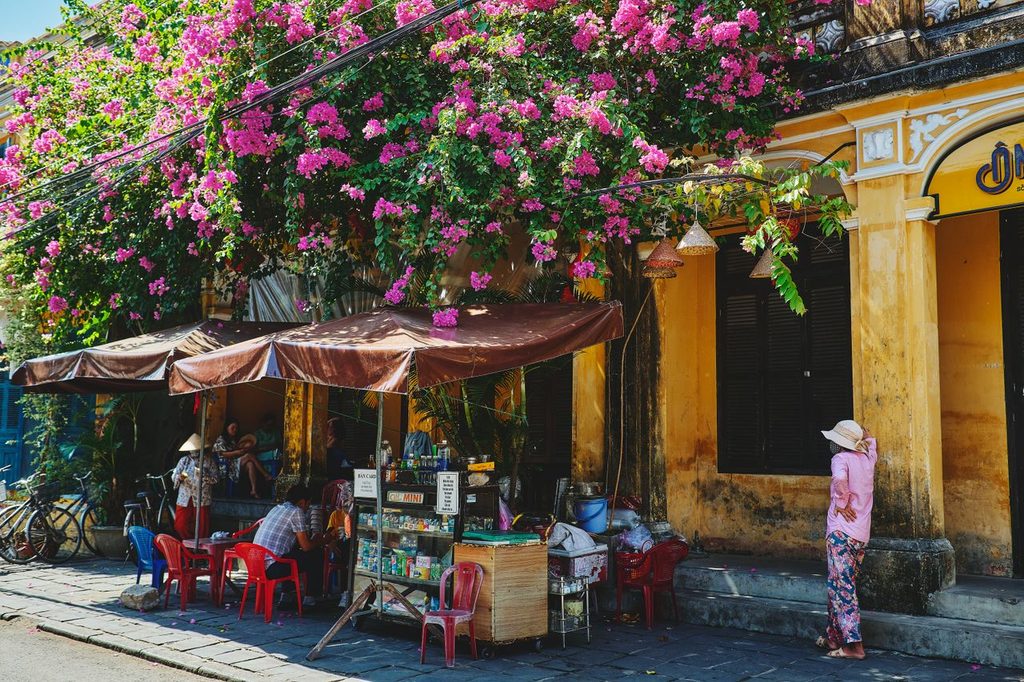
In Cambodia, comparatively open company ownership still sits alongside registration, tax, licensing and foreign-worker obligations. In Thailand, a business structure must accommodate both the intended activity and the owner’s working role.
📌 My guide to starting a business in Thailand covers ownership structures, registration and the permissions involved in actively running a business.
Where Would You Actually Live?
Choosing between Thailand and another country usually becomes more concrete when particular locations enter the picture. Bangkok and Hua Hin offer very different lives, just as Kuala Lumpur and Langkawi do. A national comparison can obscure those differences.
The locations below cover a selection of established urban, retirement and coastal options. The Thai comparisons are reference points, based on setting, pace and everyday function. They are my assessment of useful similarities, rather than claims that the places are equivalent in costs, services or culture.
Thailand: The Reference Points
Bangkok represents metropolitan living, with a wide choice of employment, hospitals, schools and international connections. Chiang Mai provides a regional-city reference, combining an established international community with access to the surrounding countryside.
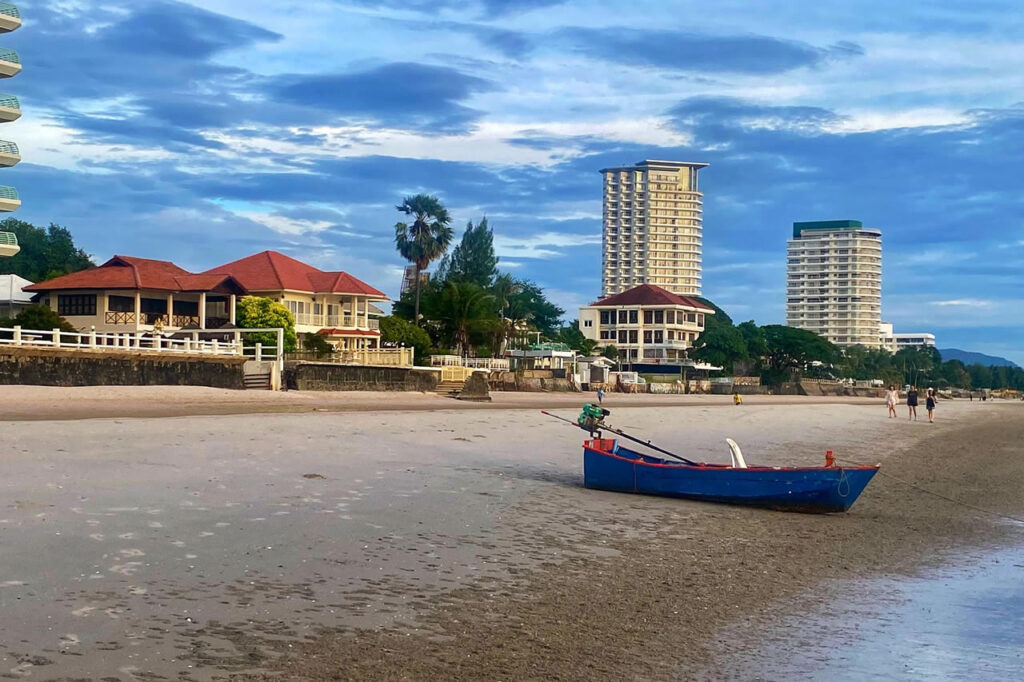
For coastal comparisons, Hua Hin represents a smaller city where retirement and residential life sit alongside tourism. Pattaya and Jomtien combine coastal accommodation with extensive commercial development and visitor services. Phuket and Koh Samui illustrate island living, where the choice of neighbourhood, transport and distance from essential services strongly affects daily convenience.
📌 My guide to the best places to live in Thailand explores the Thai locations in more detail.
Vietnam: Major Cities or a Coastal Base
Vietnam’s main urban centres and coastal cities appeal for different reasons. Hanoi and Ho Chi Minh City belong in a comparison about metropolitan living. Da Nang and Nha Trang are more relevant to someone weighing a home near the sea.
| Location | Useful Thai reference | What is comparable? | Where the comparison differs |
|---|---|---|---|
| Ho Chi Minh City | Bangkok | A large commercial metropolis, international businesses and a choice of urban lifestyles. | Its transport network and street environment differ from Bangkok’s. The district and journey to work can determine everyday convenience. |
| Hanoi | Bangkok, particularly its older urban districts | Capital-city functions, established neighbourhoods, cultural institutions and international communities. | Hanoi has a distinctly cooler winter. It should not be pictured as another version of tropical Bangkok. |
| Da Nang | Hua Hin, with a larger urban setting | Beach access alongside ordinary residential life, restaurants and city services. | Da Nang functions as a substantial regional city as well as a beach destination. Its riverfront and beach districts provide different living environments. |
| Nha Trang | Pattaya/Jomtien in its urban beachfront form | Apartment living near a developed seafront, tourism and everyday commercial services. | The resemblance concerns the waterfront and housing pattern, rather than an equivalent nightlife scene or expat community. |
Da Nang is particularly relevant to the lifestyle comparison because its beaches form part of the city itself. It combines an urban centre, airport and coastal districts, rather than requiring a separate journey from an inland city to a resort. Nha Trang also has a developed city beachfront, giving it a different character from a secluded island destination.
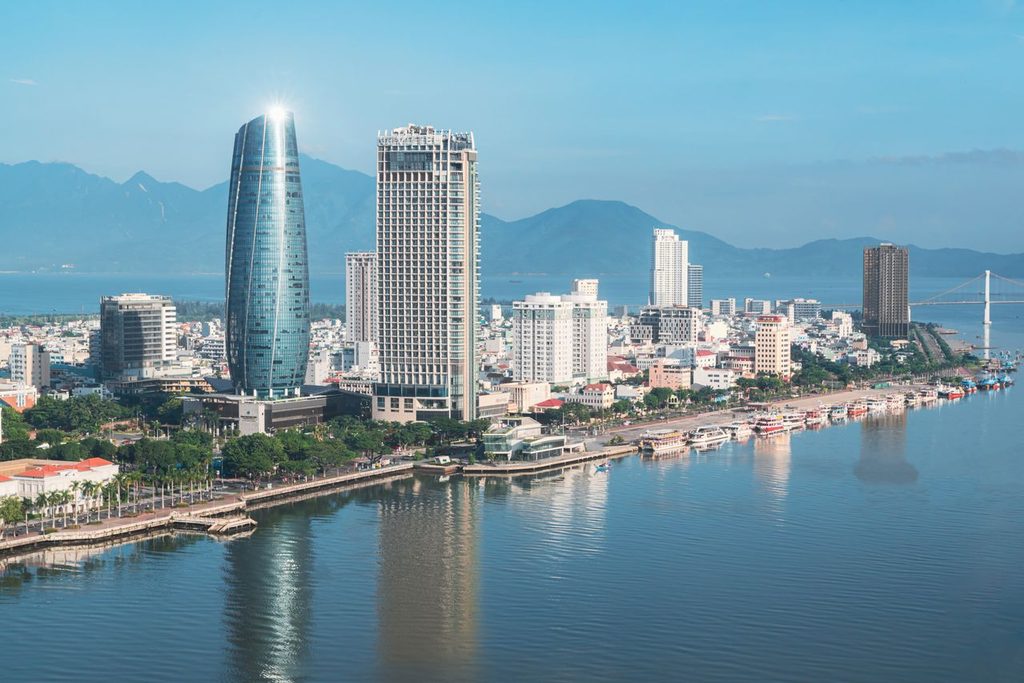
Hanoi’s winter is a meaningful distinction, especially for readers expecting the climate they know from Thailand. Northern Vietnam can be cold during the winter months, while the southern part of the country has a different seasonal pattern.
Cambodia: Phnom Penh, Siem Reap or a Smaller Southern Town
The most useful distinction in Cambodia is between the capital, a tourism-oriented provincial city and smaller towns in the south.
| Location | Useful Thai reference | What is comparable? | Where the comparison differs |
|---|---|---|---|
| Phnom Penh | Bangkok in its role as the national commercial and administrative centre | Employment, business activity, apartment living and access to services. | It is a much smaller metropolitan environment. Bangkok’s transport and service infrastructure should not be assumed from its capital-city role. |
| Siem Reap | Chiang Mai | Tourism, heritage, international residents and access to countryside outside the urban centre. | The urban economy is more closely associated with Angkor tourism. The comparison does not imply Chiang Mai’s breadth of services. |
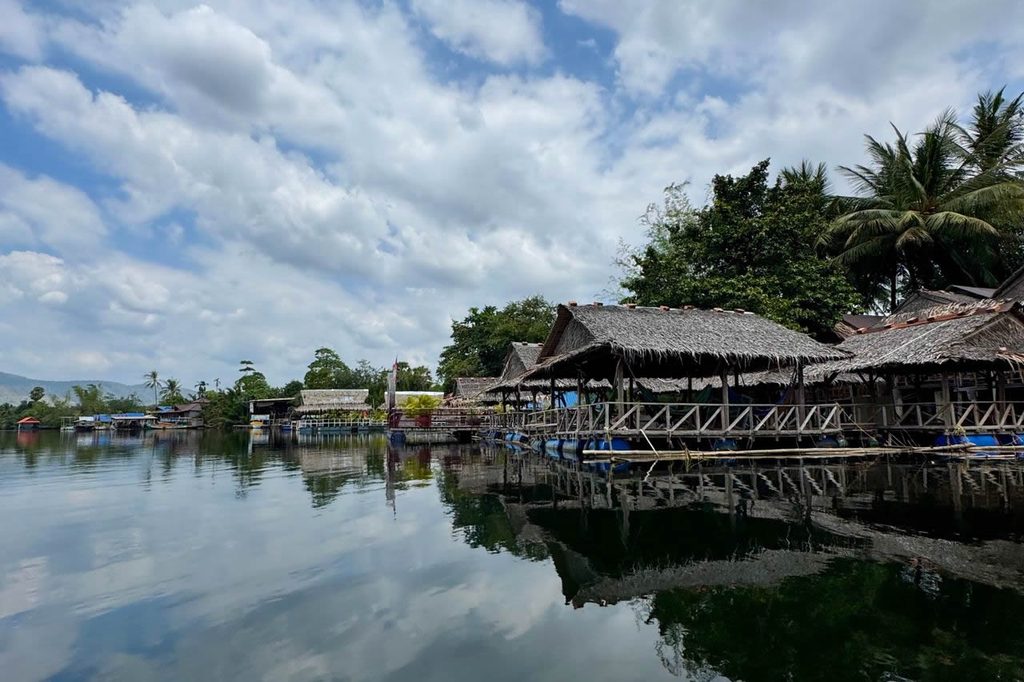
| Kampot and nearby Kep | Smaller coastal locations around Hua Hin or Pranburi | A slower residential pace and access to the southern countryside and coast. | Kampot is a river town, while Kep is coastal. Neither is a direct substitute for Hua Hin’s combination of city services and beachfront living. |
Kampot and Kep should not be treated as interchangeable. Their proximity makes it possible to enjoy both, but choosing a home in one creates a different daily routine from choosing the other. Cambodia’s tourism planning identifies the southern coastal zone separately from Phnom Penh and the Siem Reap heritage region.
Nor does living outside Phnom Penh necessarily mean having no private hospital access. Siem Reap has Royal Angkor International Hospital, while Phnom Penh has Royal Phnom Penh Hospital. The distinction is which treatment and specialist services are available locally, rather than simply whether a hospital exists.
Malaysia: Metropolitan Convenience, Penang or Island Living
Malaysia offers several distinct settings. Kuala Lumpur belongs alongside Bangkok in an urban comparison. Penang combines a substantial working city with coastal residential areas, while Ipoh and Langkawi offer different alternatives to metropolitan life.
| Location | Useful Thai reference | What is comparable? | Where the comparison differs |
|---|---|---|---|
| Kuala Lumpur and its surrounding urban area | Bangkok | Condominiums, international businesses, shopping, hospitals, schools and rail-based commuting options. | The residential area and its connection to the rail network matter more than the presence of modern towers or a central postcode. |
| Penang Island: George Town and northern residential districts | Chiang Mai for heritage and established city life, with a coastal setting | Food, cultural interest and the possibility of a settled urban routine outside the capital. | Penang combines dense development, coastal condominiums and a working island economy. It is not simply Chiang Mai beside a beach. |
| Ipoh | A quieter alternative to Chiang Mai | An inland regional city, heritage districts and access to surrounding countryside. | It should not be assumed to offer the same international social scene or range of foreign-oriented services. |
| Langkawi | Koh Samui | Island scenery, beaches, tourism and residential areas outside the busiest visitor districts. | Daily convenience depends on the particular area. Mainland access introduces a flight or ferry journey. |
Penang deserves particular care in this comparison. George Town, a northern coastal condominium and a property on the mainland are different propositions. Penang state includes both the island and mainland territory, so a listing described as “Penang” does not necessarily mean island living. Tourism Malaysia identifies George Town as the state capital and describes the island’s connections with Butterworth on the mainland.
Penang also has private hospitals serving international patients, including Gleneagles. This makes it relevant to readers seeking city amenities and medical access outside Kuala Lumpur, rather than considering it solely as a beach destination.
Kuala Lumpur has an extensive rail system, including MRT, LRT, monorail and commuter services. As in Bangkok, the usefulness of that network depends on where home and regular destinations are located.
The Philippines: Metropolitan Areas, Coastal Communities and Islands
In the Philippines, the distinction between a city, its surrounding metropolitan area and the wider island is especially important. “Cebu” can refer to several quite different living environments.
| Location | Useful Thai reference | What is comparable? | Where the comparison differs |
|---|---|---|---|
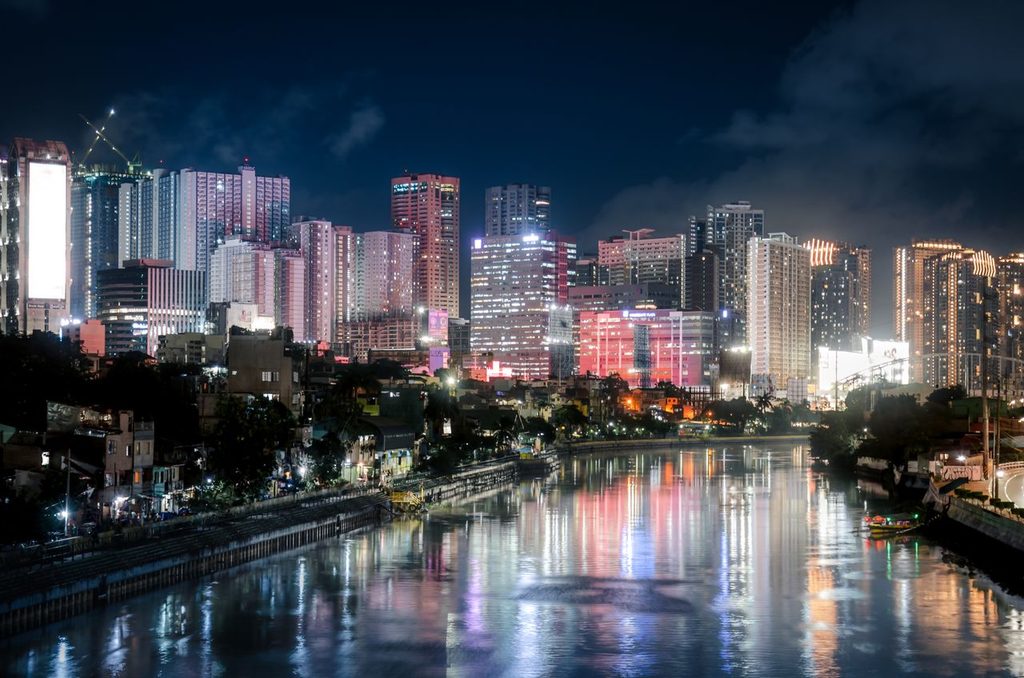
| Metro Manila, including Makati and Bonifacio Global City | Bangkok | Major employers, high-rise residential districts, shopping and metropolitan services. | Conditions vary sharply between districts. A well-served neighbourhood does not necessarily provide convenient journeys across the wider metropolis. |
| Cebu City and Mandaue | A smaller Bangkok-style urban base | Business districts, hospitals, shopping and everyday city services. | This is urban living on an island, rather than a beach-resort lifestyle. |
| Mactan Island | Phuket’s developed resort and residential areas | An airport, resorts, coastal accommodation and access to a nearby urban economy. | Mactan is separate from Cebu Island and connected by bridges. A coastal home and a job or hospital across the water can create a significant commute. |
| Dumaguete and nearby communities | Chiang Rai for regional-city scale, with a coastal setting | A smaller-city routine and access to surrounding towns and countryside. | Dumaguete city, inland Valencia and the coastal communities south of the city offer different settings. They should not be treated as one uniform retirement location. |
Dumaguete’s retirement community is documented rather than merely a tourism slogan. In April 2026, the Philippine Information Agency reported nearly 800 SRRV holders across Negros Oriental, including close to 400 in Dumaguete, 110 in Valencia and 93 in Dauin. Those figures cover that visa programme, rather than every foreign resident, but they show that retirement settlement extends beyond the city itself.
For Cebu, the location of services helps explain the distinction between city and resort living. Chong Hua operates hospitals in Cebu City and Mandaue. Living on Mactan therefore involves a different journey to those facilities from living near them on Cebu Island.
A Philippine island address can mean a metropolitan condominium, an airport-side resort district or a much smaller coastal community. The island’s name alone says little about the everyday life available at a particular address.
What Would Your Budget Actually Buy?
Lower prices do not necessarily translate into a better standard of living. An inexpensive apartment may be smaller, further from useful services or more costly to cool. A city with slightly higher rents may offer housing that makes everyday life easier without a vehicle.
The useful comparison is what a similar household would spend on a similar routine. That includes accommodation, food, utilities, transport and ordinary leisure, alongside the larger expenses that sit outside a normal monthly budget.
Comparing the Same Household and Lifestyle
The planning ranges below assume one adult renting a furnished one-bedroom apartment, with a private bathroom, cooking facilities and air conditioning.
The lifestyle includes a mixture of home cooking and inexpensive local meals, occasional international restaurant meals, internet and mobile service, affordable local transport and moderate leisure spending. It assumes a long-term rental rather than holiday accommodation, without a premium sea view or luxury building.
📌 Health insurance, medical treatment, immigration costs, international travel, school fees and buying or financing a vehicle are additional. These vary too much between individuals and residence routes to include as one standard allowance.
Indicative Monthly Budgets
November 2026 planning estimates, in US dollars. These are constructed budget ranges, rather than measured household averages or minimum-income requirements.
| Location | Monthly rent allowance | Other ordinary monthly spending | Base monthly total |
|---|---|---|---|
| Chiang Mai, Thailand | USD 350–550 | USD 550–750 | USD 900–1,300 |
| Da Nang, Vietnam | USD 350–600 | USD 450–650 | USD 800–1,250 |
| Siem Reap, Cambodia | USD 300–500 | USD 500–700 | USD 800–1,200 |
| Penang Island, Malaysia | USD 400–650 | USD 500–700 | USD 900–1,350 |
| Dumaguete, Philippines | USD 250–450 | USD 500–750 | USD 750–1,200 |
The non-rent allowance covers food, household purchases, electricity and water, internet and mobile service, local transport, personal spending and leisure. Within each range, frequent air-conditioning use, imported groceries or more restaurant meals leave less available for other spending.
The ranges draw on reported local prices and advertised accommodation, with room for variation in ordinary spending. Crowd-sourced prices provide useful context, but they do not describe a consistent housing standard or an identical lifestyle in every city.
For rough comparison, the conversions use approximately USD 1 = THB 34, VND 26,000, RM 4.1 or PHP 64. These are rounded November reference values, rather than the rate available for a particular transfer or payment.
The substantial overlap matters more than a small difference between the totals. A particular apartment or transport arrangement can easily reverse the apparent order. These examples also compare selected regional and lifestyle locations, rather than each country’s capital or most expensive residential districts.
📌 My Thailand cost-of-living guide includes further household budgets and the cost-of-living calculator.
What the Rental Figures Look Like in Practice
Actual listings help explain what a budget buys, although individual properties are not equivalent.
Illustrative advertised rental examples checked in November 2026:
| Location and example | Advertised monthly rent | What the listing describes |
|---|---|---|
| Da Nang: F Home, Hai Chau | VND 14 million, advertised at approximately USD 550 | A furnished one-bedroom apartment of about 55 m². Management fees, utilities, internet and some facilities cost extra. |
| Siem Reap: Sala Kamreuk | USD 320 | A furnished one-bedroom apartment of about 70 m², with access to a shared pool. |
| Penang: Mansion One, George Town | RM 2,300 | A furnished one-bedroom condominium of approximately 56 m². |
| Dumaguete: Bagacay | PHP 23,600 | A furnished one-bedroom apartment listed at approximately 25 m², with shared facilities including a pool. |
These are asking rents, subject to availability and the agreed lease terms. The advertised dollar equivalent for the Da Nang property is the agent’s own quotation.
The Dumaguete example illustrates why a low monthly rent is not enough to establish value: a one-bedroom label can describe very different amounts of space. The Siem Reap example offers considerably more floor area at a lower asking rent, but location, condition, services and lease terms still affect the overall comparison.
Chiang Mai also has a broad rental range. Numbeo’s November figures place reported one-bedroom rents around THB 8,000–15,000 outside the centre and THB 12,000–22,000 centrally. These are contributor-reported ranges, not quotations for a particular furnished property.
Where Apparent Savings Can Disappear
Electricity and air conditioning: The building, room exposure and hours spent at home affect the bill. A poorly insulated top-floor apartment can cost more to cool than a smaller shaded unit. Where rent excludes utilities, the billing arrangement also matters.
Imported food and familiar habits: Local meals can be inexpensive while imported cheese, wine, specialist groceries and international restaurants take a much larger share of spending. A country’s reputation for cheap food usually says more about its local food economy than the cost of reproducing a European shopping basket.
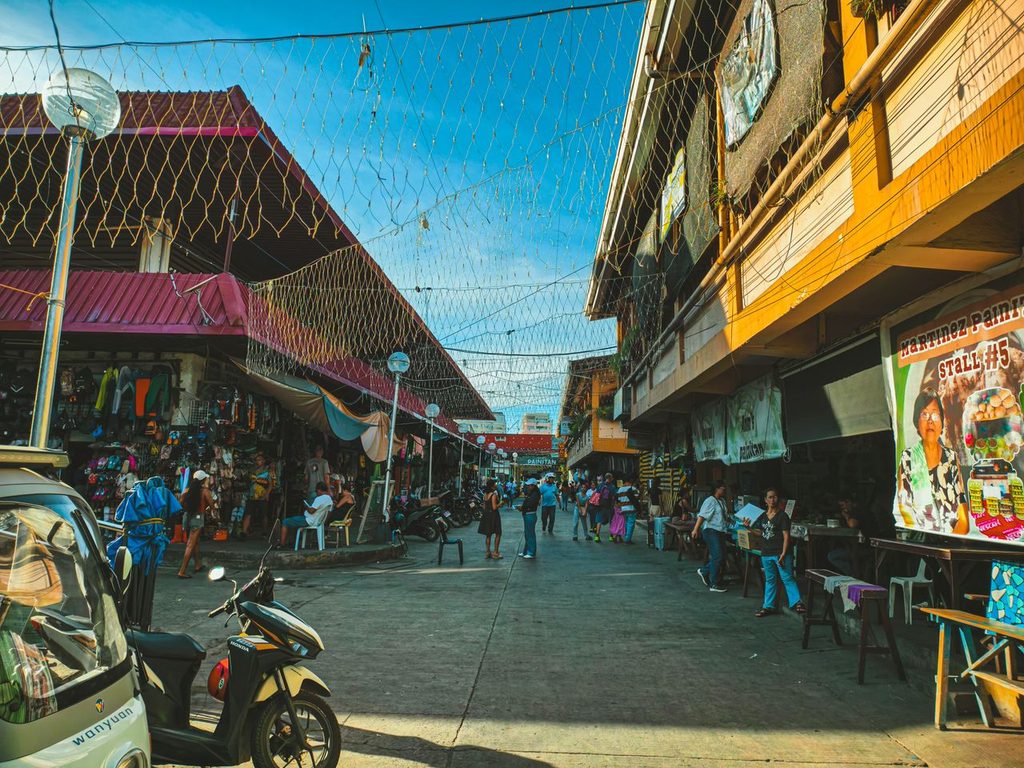
Transport: Lower rent outside a convenient neighbourhood can bring additional fares, fuel or vehicle costs. This is particularly relevant where a pleasant home requires regular journeys to shops, hospitals or social activities.
Healthcare and medical travel: A lower monthly budget can be offset by insurance premiums, uncovered treatment or journeys to another city for specialist care. A saving on rent is recurring; a major medical expense can arrive in one substantial bill.
Immigration and international travel: Visa fees, renewals, document preparation and any necessary departures belong in the annual calculation. Regular family visits can also outweigh modest differences in food or utility prices.
Couples and Families
A couple’s household spending is usually less than two separate single-person budgets, because rent, internet and some transport costs are shared. Food, insurance, medical care and immigration expenses do not disappear through sharing a home, however.
A larger property can change the comparison again. An affordable one-bedroom market does not establish what a suitable family home will cost in an area with access to the preferred school.
For families using international education, school fees, transport and associated charges need their own calculation. Dividing annual tuition by twelve provides a monthly equivalent, but enrolment fees and other upfront charges still affect the money required at the start.
Monthly Spending Versus Money Committed
Rental deposits, advance payments and residence-related deposits affect how much money is available even when they are not ordinary living expenses.
The F Home listing in Da Nang, for example, specifies one month’s deposit and three months’ rent in advance. At its advertised rent, that represents VND 56 million before utilities and other setup costs. Three months of that sum pays for accommodation already included in the monthly budget; the security deposit is a separate commitment.
The same distinction applies on a larger scale to retirement deposits and investment-based residence programmes. Fees are spent, deposits restrict access to money, and property purchases commit capital to an asset. Treating all three as a monthly “cost of living” obscures how much cash someone needs and how easily they could change their plans.
Can You Get the Healthcare and Support You Need?
An affordable consultation and access to suitable treatment during a serious illness are different considerations. Routine appointments may be straightforward in a smaller city, while complex surgery, cancer treatment or rehabilitation involves a much narrower choice of facilities.
The practical comparison is between the care available near your intended home, the treatment you might need and how you would pay for it. A country’s medical reputation provides context, but it does not establish what a particular hospital can offer.
Routine Care, Specialists and Major Treatment
Thailand’s private hospital network extends beyond Bangkok into several places already discussed, including Chiang Mai, Hua Hin, Phuket and Koh Samui. This gives residents options outside the capital, although hospitals within the same group do not necessarily provide the same specialists, equipment or procedures.
The alternatives also have capable providers. The differences become clearer when specific locations and services enter the comparison.
| Country | What is available in relevant locations? | What can change the practical picture? |
|---|---|---|
| Thailand | Private hospitals operate in Bangkok and several established expat destinations, alongside public and university hospitals. | A local hospital may cover routine and emergency needs while referring particular complex cases elsewhere. |
| Vietnam | Hanoi and Ho Chi Minh City have major specialist providers. Da Nang also has private hospital services, including Vinmec. | The availability of the required specialist or procedure matters more than whether a facility describes itself as international. |
| Cambodia | Phnom Penh and Siem Reap have private hospitals serving international patients. | Serious illness or injury can require overseas treatment. Emergency capacity outside the main centres is a significant limitation. |
| Malaysia | Kuala Lumpur and Penang offer private hospitals with specialist services and international patient support. | Island or smaller-town living creates a different access situation from living near a major medical centre. |
| The Philippines | Metro Manila and Metro Cebu offer major hospital facilities, including specialist services in Cebu City and Mandaue. | A home on another island, or across a congested metropolitan area, can involve additional travel to the appropriate facility. |
In Vietnam, Da Nang is not limited to small clinics. Vinmec’s emergency department operates around the clock, and its medical departments include cardiology services. Ho Chi Minh City’s FV Hospital provides oncology and radiotherapy, illustrating the more specialised services available in a major centre.
Cambodia presents a more consequential geographical limitation. Australia’s official travel guidance identifies very limited emergency capability outside Phnom Penh and Siem Reap and warns that serious cases may require evacuation to better-equipped facilities. For someone considering Kampot or Kep, this can outweigh a saving on rent.
Penang’s appeal is different from that of a remote island destination. Gleneagles has an international patient centre, while the surrounding urban area provides access to other hospitals and ordinary city services. In Cebu, Chong Hua operates substantial hospitals in both Cebu City and Mandaue. Neither example establishes that every treatment is available, but both demonstrate why the exact location matters.
📌 My guide to Thailand’s healthcare system for foreigners explains public and private hospital access in more detail.
Public Healthcare and Who Pays
Being allowed to use a public hospital does not mean being entitled to the same subsidy as a citizen. Employment, contribution history, residence status and enrolment in a particular scheme can change the position.
In Thailand, qualifying employees can receive treatment through Social Security arrangements, normally through their registered hospital and the applicable referral system. A retiree arriving on a retirement visa does not acquire that employment-based cover merely by becoming a resident.
Malaysia publishes separate public-hospital charges for foreigners. Its Ministry of Health lists RM 40 for a general outpatient visit, RM 120 for a specialist outpatient visit and RM 100 for an emergency-department visit. These are listed service charges, not complete quotations including every test, medicine or procedure.
The Philippines allows eligible foreign residents, including qualifying PRA retirees, to enrol in PhilHealth. Its benefits operate through defined packages and eligibility conditions. PhilHealth membership should therefore not be understood as a promise to settle an entire private-hospital bill.
For someone moving without local employment, public-system access and payment arrangements deserve separate consideration from those applying to an employee recruited by an established company.
What Published Medical Prices Tell You
A hospital price list can provide a useful indication of ordinary charges. It is less reliable as a measure of the total cost of an illness.
Vinmec Da Nang’s published international tariff, for example, lists a standard cardiology consultation at VND 690,000, with a consultation without an appointment listed at VND 1.1 million. Investigations and treatment have their own charges. These are one provider’s published fees, rather than Vietnamese national averages.
Surgery introduces more variables: the procedure, surgeon, anaesthesia, implants, room category, length of stay and any complications. A package excluding several of those items is not directly comparable with a more inclusive quotation elsewhere.
📌 Low routine costs do not establish that a major admission would be affordable from ordinary monthly income. That is why the earlier living-cost budgets keep healthcare and insurance separate.
Insurance and the Cost of Staying Covered
Insurance can change the comparison substantially, especially for older residents or anyone with an existing condition.
Premiums depend on factors including age, residence, geographical coverage, medical history and benefits. Medical underwriting can result in an existing condition being accepted, covered at an additional premium or excluded. A country with inexpensive housing may therefore offer little overall saving if the suitable insurance arrangement costs considerably more.
The most consequential distinctions include:
- New-entry age limits and renewal terms: acceptance at the time of moving is different from the terms available as the policyholder grows older.
- Inpatient and outpatient benefits: hospital cover may leave routine consultations, tests and medication payable separately.
- Exclusions and limits: a substantial headline benefit does not establish cover for a particular existing condition or treatment.
- Geographical cover: a policy limited to one country may not cover planned treatment in a neighbouring country.
- Hospital payment arrangements: direct settlement can depend on the provider, treatment and insurer’s approval.
Immigration-compliant insurance and suitable medical protection are also separate questions. A policy may satisfy a residence requirement while leaving significant expenses uncovered.
📌 My Thailand health insurance guide covers policy types, exclusions and longer-term insurance considerations.
Treatment Elsewhere and Medical Evacuation
A planned journey for specialist treatment differs from an emergency transfer. Someone may comfortably travel to a larger city for an annual appointment while finding the same distance a serious obstacle during an acute illness.
Evacuation cover also has conditions. It commonly concerns transfer to the nearest suitable facility, rather than a hospital or country freely chosen by the policyholder. Insurer approval and medical necessity can determine the arrangement. Allianz’s published guidance provides one example of this distinction.
For Cambodia’s smaller towns and more isolated island locations elsewhere, access involves both the availability of treatment and the time needed to reach it. Insurance can help finance an approved transfer; it cannot remove the distance.
Accessibility and Growing Older
Daily independence depends on more than hospital standards. A home with stairs, difficult pavements or a routine built around riding a motorcycle can become less practical as mobility changes.
A central apartment near shops, a clinic and dependable transport may support independence better than a larger house further away. The relevant comparison is between actual neighbourhoods and properties, rather than countries described broadly as suitable for retirement.
Home assistance, rehabilitation and residential care introduce another distinction: help with everyday tasks is different from qualified nursing or continuous medical supervision. The availability, language support and cost of the appropriate service can narrow the choice of location considerably.
What Would Everyday Life Involve?
A home can look ideal in photographs and still create an inconvenient daily routine. The supermarket may be nearby but difficult to reach on foot. A railway station may serve the district without being comfortably accessible from the building. A quiet coastal setting may involve regular journeys into town for ordinary services.
Everyday convenience depends on how housing, transport and services fit together. The differences between neighbourhoods can be greater than those suggested by a national comparison.
Finding a Suitable Home
The rental examples above show how differently furnished accommodation can be packaged. Floor area, cooking facilities, building services and access to shared amenities all affect what the monthly rent provides.
For a longer stay, the property’s practical features become more noticeable: space to work, somewhere to dry laundry, reliable water pressure, ventilation and enough storage. Sound insulation and surrounding activity can matter just as much as a pool or a view.
Across the locations discussed, there are several useful distinctions:
- Urban condominiums can combine security, lifts and shared facilities, but the unit’s condition and the building’s management are separate considerations.
- Serviced apartments can simplify moving in, although cleaning, electricity and other charges may follow the operator’s own arrangements.
- Houses outside central districts can provide more space while increasing transport needs and responsibility for maintenance.
- Coastal and island properties can offer an appealing setting, with additional exposure to salt, damp and weather-related maintenance.
These differences do not follow national borders neatly. A well-managed older building can provide a more comfortable home than a newer property with poor maintenance.
Leases, Deposits and Repairs
The quoted rent is only one part of the rental arrangement. Advance payments, security deposits, utility billing, repair responsibilities and early termination terms determine both the initial commitment and the likely points of disagreement.
The Da Nang example requires several months’ rent in advance. The Dumaguete listing illustrates another arrangement, with a security deposit alongside advance rent. Neither establishes a universal rule for its country; terms vary by property and landlord.
Responsibility can also be divided between an individual owner, an agent and a building manager. A lift fault and a broken appliance inside the apartment may involve different people. Having an English-speaking agent during the viewing does not necessarily establish who will handle a problem six months later.
A deposit dispute is easier to assess when the original condition, inventory and agreed deductions are documented. Legal rights and the time, expense and accessibility of enforcing them are separate parts of the experience.
📌 My guide to renting a condo or house in Thailand covers lease terms, inspections, deposits and moving in.
If You Prefer to Buy
Foreign ownership rules create a more substantial difference between the countries than rental availability does.
| Country | Main residential ownership position |
|---|---|
| Thailand | Eligible foreigners can own condominium units within the foreign quota, generally 49% of the combined unit floor area of a registered condominium building. Direct ownership of land is generally restricted. |
| Vietnam | Eligible foreigners can own qualifying housing in permitted projects. Foreign ownership is generally limited to 30% of residential apartments in a condominium building, and an individual foreign owner’s term is generally up to 50 years, with extension provisions. |
| Cambodia | Eligible foreigners can own qualifying private units in co-owned buildings above the ground floor. This does not give them direct ownership of the underlying land. |
| Malaysia | Foreigners can acquire qualifying residential property, including some landed homes, subject to approval, minimum prices and restrictions that vary by state and property category. |
| The Philippines | Foreigners can own qualifying condominium units, subject to the 40% foreign-ownership limit in the relevant project or condominium corporation. Direct ownership of land is generally restricted. |
The quotas measure different things: Thailand’s rule concerns floor area, while Vietnam’s apartment limit concerns the number of residential units. Malaysia’s state-specific rules also mean that a property affordable within someone’s budget may still be unavailable to them as a foreign purchaser.
Malaysia can therefore offer a different ownership proposition for someone who specifically wants a house with land. That possibility remains subject to the applicable location, title, price and approval conditions.
Owning a home and holding permission to live in the country are also separate matters. A property purchase does not, by itself, establish an unrestricted right to remain there.
📌 My guide to legal property ownership in Thailand explains condominium ownership, land restrictions and other arrangements.
Getting Around Without a Car
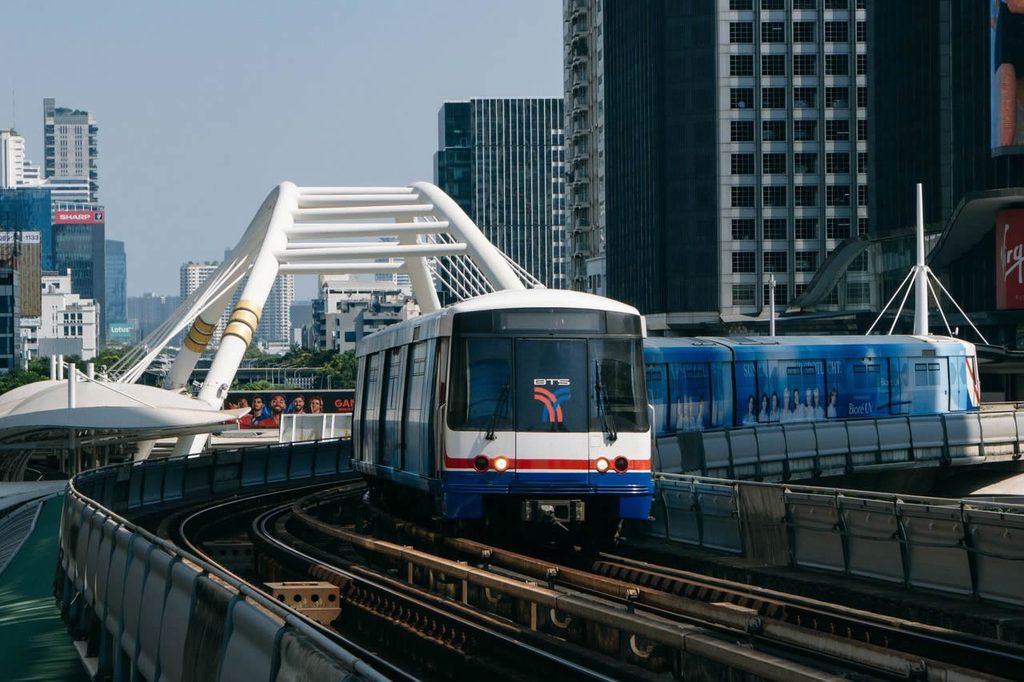
Bangkok and Kuala Lumpur provide the clearest rail-based alternatives among the locations discussed. Both have networks that can support a routine built around public transport, provided the relevant journeys fall within their coverage. Bangkok’s BTS and Kuala Lumpur’s combination of MRT, LRT, monorail and commuter services serve substantial urban areas.
Elsewhere, the distinction is more local:
| Location | What everyday transport can involve |
|---|---|
| Chiang Mai and Hua Hin | A combination of local shared transport, taxis or ride-hailing, walking where practical, and private vehicles. The particular route matters more than a general claim that transport is inexpensive. |
| Hanoi and Ho Chi Minh City | Buses, urban rail on served corridors, taxis and app-based transport. Rail coverage does not yet provide a substitute for road travel across every district. |
| Phnom Penh and Siem Reap | Road-based journeys, including tuk-tuks and cars, play a central role in the comparison with rail-connected Bangkok neighbourhoods. |
| Penang | Buses and road transport are important for island journeys. Living in Penang does not reproduce Kuala Lumpur’s rail-based commuting options. |
| Metro Manila | Rail services can be useful along their corridors, alongside road-based transport. Journeys outside those corridors can create a very different routine. |
| Cebu, Mactan and Dumaguete | Local road transport and the relationship between home and regular destinations are central. In Metro Cebu, bridge crossings can be part of an ordinary journey. |
Ho Chi Minh City’s first metro line began commercial operations in December 2024. Penang’s Rapid bus services and Metro Manila’s rail lines illustrate different transport systems rather than a simple divide between places with and without public transport.
Grab operates in all five countries, but the available services and coverage vary by location. An app’s national presence does not establish dependable pickups from every residential area.
Living without a car is most practical when the home, regular destinations and transport options form a workable routine. A slightly higher rent can be worthwhile if it removes several difficult journeys each week.
Internet, Utilities and Ordinary Services
For someone working online, a city’s reputation for good internet is only the starting point. The actual connection to the property, the landlord’s arrangement and mobile reception inside the unit determine the working experience.
A private fibre connection differs from Wi-Fi shared across an apartment building. Similarly, a generator serving lifts and common areas may not supply electricity to individual apartments. The presence of a backup system does not establish which parts of daily life it supports.
Food shopping follows a similar pattern. Local markets and supermarkets may cover ordinary needs comfortably, while specialist dietary products or familiar imported brands require trips across town. Delivery services can reduce the inconvenience, with coverage and selection depending on the address.
These details particularly affect the comparison between a central urban apartment and a larger home in a quieter location. More space does not always mean greater everyday comfort.
Connections to Home
International travel involves the whole journey, including transfers and any domestic connection.
An airport near the intended home can make regular visits easier, but an international airport is not necessarily a convenient gateway to a particular home country. Available routes, connection times and the cost of the domestic leg all influence the practical result.
Island living adds another consideration when reaching a larger airport requires a ferry or a separate flight. For someone visiting family several times a year, that additional journey becomes a recurring part of the cost and effort of living there.
How Would Tax and Banking Affect Your Finances?
Two people living on the same monthly budget can face different tax bills because one receives a pension, another earns a salary, and a third draws on investments. The country where that income arises, the time spent in the destination and any applicable tax treaty can all affect how much remains available for everyday life.
Immigration status and tax residence are separate matters. A retirement visa or remote-work permission does not, by itself, establish that the holder’s income is exempt from local tax.
Tax Residence and Overseas Income
The following are the principal distinctions relevant to foreign residents, rather than a complete account of each country’s tax system.
| Country | Main tax-residence considerations | Treatment of overseas income |
|---|---|---|
| Thailand | Presence totalling 180 days or more in a calendar year establishes tax residence. | Assessable foreign income arising from 1 January 2024 onwards, in a year when the individual was Thai tax resident, generally enters the Thai tax calculation when remitted to Thailand, including in a later year. Exemptions and treaty provisions can affect the result. |
| Vietnam | Residence can arise through 183 days or more in a calendar year or the first 12 consecutive months after arrival. Habitual-residence rules can also apply. | Residents are generally taxable on income within the taxable categories arising inside and outside Vietnam, regardless of where it is paid. Specific exemptions apply, including for qualifying pension income. |
| Cambodia | Residence can arise through a home or principal place of abode, or presence exceeding 182 days in a 12-month period ending in the current tax year. | Resident employees are liable to salary tax on Cambodian and foreign-source salary. Receiving payment abroad does not establish an exemption. |
| Malaysia | 182 days or more in a calendar year is a main residence test, but linked periods and other statutory tests can establish residence with fewer days. | Qualifying foreign-source income received by resident individuals is exempt through 31 December 2036, subject to conditions. Income from a partnership business in Malaysia is excluded from this general individual exemption. |
| The Philippines | Foreign nationals are classified under resident-alien and non-resident-alien rules. There is no single day-count rule equivalent to Thailand’s that explains every classification. | Foreign nationals, whether resident or non-resident, are generally taxable only on Philippine-source income. This differs from the worldwide-income rules applying to resident Filipino citizens. |
Sources: Thailand’s Revenue Department; Vietnam’s personal income tax legislation; Cambodia’s General Department of Taxation; Malaysia’s Inland Revenue Board and Ministry of Finance; and the Philippine National Internal Revenue Code.
For someone living on overseas income, Malaysia and the Philippines can therefore present a materially different tax position from Thailand. Malaysia’s exemption has conditions concerning how the income was treated in its country of origin, including specified circumstances where no tax was payable. It is broader than simply requiring evidence of tax actually paid, but it is not an unconditional exemption for every overseas receipt.
Thailand’s rules also distinguish income from other money being transferred. Moving existing capital is not automatically the same as receiving taxable income. The date income arose, residence status in that year and records tracing the money can matter. Treaty provisions and foreign tax credits can change the amount payable; a transfer into a Thai account does not automatically mean the entire transfer is taxable.
📌 My guide to Thailand taxes for foreigners explains the Thai position in more detail.
Overseas Payment Does Not Necessarily Mean Overseas Income
Where the work is performed can matter more than where the employer or bank account is located.
For example, the Philippine rule limiting foreign nationals’ taxation to Philippine-source income does not automatically shelter earnings from an overseas employer when the services are physically performed in the Philippines. Thailand similarly taxes income from work performed in Thailand whether payment is made inside or outside the country.
Pensions, dividends, rental income and investment gains also need separate treatment. A favourable rule for one category does not establish the position for another. Tax treaties can allocate taxing rights or provide relief, while obligations in the country someone leaves may continue.
Opening and Using a Local Bank Account
A long-term residence route can make banking more straightforward, but permission to stay does not guarantee eligibility for every account. Published bank requirements illustrate the differences:
- Thailand: Kasikornbank explicitly excludes tourist entries and the DTV from eligibility for its savings account. This is a consequential limitation for someone expecting a DTV to provide the same banking access as a qualifying non-immigrant status.
- Vietnam: HSBC lists a passport and valid entry visa or equivalent documents for foreign applicants. Its debit-card requirements additionally specify evidence of permission to reside for 12 months or more, illustrating that opening an account and obtaining particular services can involve different conditions.
- Cambodia: ABA requires a valid passport, valid visa and supporting evidence of residence. Accepted examples include a visa covering at least six months, qualifying consecutive visas, or a lease covering at least six months. Its published requirements go beyond simply presenting a passport.
- Malaysia: CIMB publishes separate document requirements for employees, dependants, students and MM2H participants. For an approved MM2H holder whose programme deposit is elsewhere, it lists a qualifying MM2H visa and proof of a Malaysian residential address.
- The Philippines: BDO’s online application route accepts foreigners with a valid resident visa and Philippine address, requiring a passport and a second accepted identification document, such as an ACR I-Card. Additional documents may be requested.
📌 These are examples from named banks, rather than uniform national checklists.
Transfers and Currency Exposure
The transfer fee is only one part of moving money. Exchange-rate margins, intermediary-bank charges, receiving fees and foreign-card withdrawal charges can also affect the amount available locally.
Currency movements can outweigh small differences in everyday prices. A 10% fall in the local-currency value of a pension means roughly 10% less spending power, even if the pension itself has not changed. A deposit or property purchase required for residence also ties up money that would otherwise remain available for living expenses or emergencies.
Local Culture, People and Feeling at Home
The people around you can influence your quality of life as much as housing, healthcare or the monthly budget. Everyday conversations, invitations, humour and the way disagreements are handled all contribute to whether a place feels comfortable over time.
There are meaningful cultural differences between these countries, but also considerable differences within them. Speaking a shared language, understanding social expectations and having regular contact with the same people often matter more to friendship than a country’s reputation for friendliness.
Thailand: Easy Everyday Contact, More Beneath the Surface
In Thailand, politeness often involves keeping an interaction comfortable. A smile can express pleasure, embarrassment or uncertainty. A nod may acknowledge what someone has said without confirming agreement. Direct refusals and public criticism can be uncomfortable, particularly between people who do not know each other well. These conventions can make everyday encounters pleasant while leaving a foreign resident unsure whether a problem has actually been resolved.
Getting by in English and participating in Thai social life are different experiences. English may cover many transactions in established expat areas, but conversations among Thai friends, neighbours and relatives generally take place in Thai. Someone can live comfortably within an international community while having limited access to the conversations happening around them.
Age and familiarity also influence how people address one another. Understanding these relationships adds meaning to exchanges that can otherwise seem formal or indirect.
📌 My guide to adapting to Thai culture explores these everyday situations in more detail.
Malaysia: A Different Social Setting, With Several Cultures Within It
Malaysia’s population includes Malay, Chinese, Indian and numerous Indigenous communities. Language, religion, family customs and social occasions vary accordingly. The experience of living in George Town, Kuala Lumpur or a predominantly Malay neighbourhood can therefore differ substantially.
For an English-speaking resident, urban Malaysia offers a practical advantage: English is widely used in business and everyday urban settings. This can make a sustained conversation with a neighbour or fellow club member more accessible than in a setting where neither person speaks the other’s language well. Malay, Chinese languages, Tamil and other languages remain important within their respective communities.
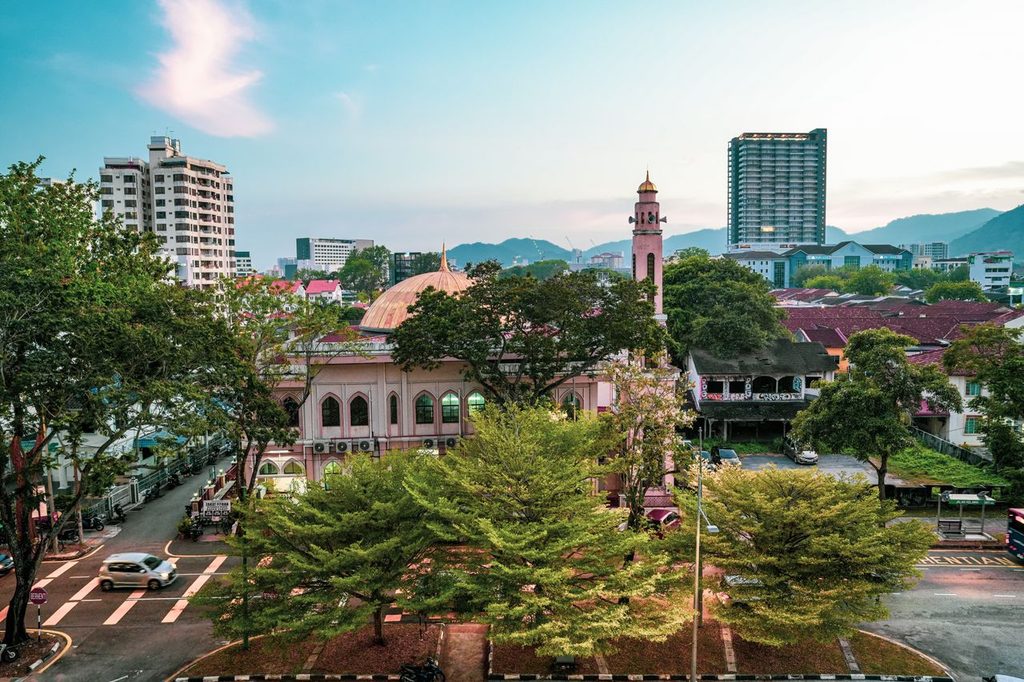
Religion also shapes social arrangements. In Muslim Malay circles, halal food, prayer and Ramadan can influence where and when people meet. An invitation to a meal or an open house may be a more natural social occasion than meeting over drinks. Chinese, Indian and other Malaysian circles bring different traditions, with considerable overlap between communities.
📌 Compared with Thailand, the composition of someone’s local social circle can make a particularly visible difference to daily customs.
Vietnam: Language and Relationships Shape the Experience
Vietnamese forms of address reflect age, familiarity and the relationship between speakers. Some of that context disappears when a conversation moves into English. An exchange that sounds abrupt in translation may carry social meaning that a foreign listener does not recognise. Avoiding public embarrassment also matters, so an apparently direct conversational style does not mean that confrontation is readily accepted.
Da Nang’s cafés, coworking spaces and international communities offer some familiar points of contact for someone considering it alongside Chiang Mai. In both cities, English-speaking international circles can be accessible, while participation in local workplaces, neighbourhood activities and predominantly Vietnamese- or Thai-speaking groups depends more on language.
Cambodia: Familiar Social Conventions, a Separate Language Barrier
Some Cambodian social conventions will feel familiar to someone accustomed to Thailand. Respect, avoiding embarrassment and indirect refusals can influence an exchange. A polite “yes” may mean that someone is listening or understands the question, rather than that they have agreed to the proposed arrangement.
English-speaking contacts in Phnom Penh or Siem Reap can make an initial social circle accessible. Khmer becomes more consequential when relationships extend into neighbours’ homes, family gatherings or communities outside internationally oriented businesses.
A smaller circle can offer repeated contact and familiarity, but fewer people sharing a particular language, age group or interest. That can suit someone seeking a close community while feeling restrictive to someone who values a wide choice of activities.
The Philippines: A Lower Language Barrier for English Speakers
The Philippines offers a significant language advantage for many English-speaking foreigners. English is an official language and is widely spoken. That can make conversation, humour and shared activities more accessible from the beginning. Filipino and regional languages remain central to local life; Cebuano, for example, is important in Cebu and much of the central and southern Philippines.
A shared language does not remove cultural differences. Respect for age and status, tactful refusals and avoiding embarrassment can still shape communication. Familiar English vocabulary can make these differences less immediately apparent than they would be across an obvious language barrier.
📌 For someone who finds the language barrier isolating in Thailand, this can materially change the social experience. It does not guarantee close friendships, but it removes one substantial obstacle to forming them.
Established Communities and Lasting Friendships
An established expat community provides companionship, practical knowledge and people who understand the experience of living abroad. Its character matters as much as its size. A circle dominated by short-stay visitors can involve frequent departures; a community of settled residents offers more continuity.
Climate, Environment and Safety
A destination’s least comfortable months can change the experience of living there. Chiang Mai’s cooler season comes with a later period of smoke pollution; Da Nang’s coastal setting comes with seasonal storms and flooding; Penang offers less variation in temperature but persistent heat and humidity.
These differences affect ordinary routines: whether windows stay open, outdoor exercise remains comfortable, roads become difficult to use or travel plans depend on ferry and flight cancellations.
Weather Differences Between Relevant Locations
| Location | Main seasonal considerations | What this means for everyday life |
|---|---|---|
| Chiang Mai and northern Thailand | Cooler winter weather, followed by hotter conditions and recurring dry-season smoke. Regional fire activity typically increases through March and April before declining with the rains. | The months most comfortable for temperature are not necessarily the months with the best air quality. |
| Hua Hin, Phuket and Koh Samui | Coastal heat and humidity, with different rainfall patterns. Phuket’s wetter southwest-monsoon period differs from Samui’s heavier late-year rains. | Moving between Thai coastal destinations changes the timing of wet weather, rough seas and disruption to outdoor activities. |
| Hanoi and Da Nang | Hanoi has a distinctly cooler winter. Da Nang and the central coast face heavy seasonal rain, tropical storms and flooding, particularly later in the year. | Hanoi is not uniformly tropical throughout the year; Da Nang’s beach lifestyle has a substantially wetter and more disruptive season. |
| Phnom Penh and Siem Reap | Pronounced wet and dry seasons, with intense heat and seasonal flooding. | Drainage and access roads can materially affect the experience of a particular neighbourhood or property. |
| Kuala Lumpur, Penang and Langkawi | Warm, humid conditions throughout the year, frequent rain and occasional regional haze. Rainfall patterns differ from Malaysia’s more exposed east coast. | There is less of the cool-season relief available in northern Thailand. West-coast locations still experience heavy rain and local flooding. |
| Cebu, Mactan and Dumaguete | Tropical heat, heavy rainfall and varying exposure to tropical cyclones. The Philippines also has earthquake and volcanic hazards. | Storm exposure differs between locations, while disrupted power, transport and communications can extend beyond the area directly affected. |
📌 Sources include NASA, the Tourism Authority of Thailand, Vietnam’s tourism authorities, METMalaysia and Australian government travel advice.
Air Pollution Can Change the Location Comparison
Northern Thailand’s seasonal smoke is a substantial disadvantage for year-round living, particularly for someone whose routine depends on spending time outdoors. NASA describes regional burning increasing through March and April, although the timing and severity vary between years. Bangkok also experiences episodes of poor air quality.
Vietnam’s larger cities can also have high pollution levels. Malaysia experiences episodic smoke haze, often between June and October, although it can occur at other times. Moving away from Chiang Mai therefore changes the pollution pattern without necessarily eliminating the issue.
For someone with respiratory or cardiovascular conditions, these differences can narrow the choice of location. Indoor filtration can reduce exposure at home, but it does not restore the same freedom to walk, exercise or socialise outdoors during polluted periods.
Flooding and Natural Hazards
Flood exposure can differ between neighbouring streets. An upper-floor apartment may protect belongings while leaving the building’s entrance, parking area or access road affected. A coastal property can involve a different combination of drainage, storm-surge and access concerns from a home farther inland.
Central Vietnam’s seasonal flooding is especially relevant when comparing Da Nang with Hua Hin. Malaysia’s northeast monsoon brings its heaviest effects to exposed east-coast areas, so those conditions should not simply be applied to Penang or Langkawi.
The Philippines adds a more prominent combination of tropical cyclones, earthquakes and volcanic activity. Cebu and Dumaguete should not be treated as having identical exposure, or as exempt from these hazards because they are outside some of the country’s most frequently affected areas.
Road Safety Is a Significant Weakness for Thailand
Thailand’s familiar roads and inexpensive motorcycle transport can obscure a serious disadvantage. In WHO’s 2023 Global Status Report on Road Safety, estimated road deaths per 100,000 people for 2021 were:
| Country | Estimated road deaths per 100,000 people |
|---|---|
| Thailand | 25.4 |
| Cambodia | 18.8 |
| Vietnam | 17.7 |
| Malaysia | 13.9 |
| The Philippines | 9.7 |
These are national estimates for the same reference year, rather than current city-level measures or predictions of an individual’s risk. Thailand nevertheless compares poorly within this group.
The connection with housing and transport is direct. A home that requires frequent motorcycle journeys creates a different exposure from one near rail, shops and regular destinations. Lower national figures elsewhere do not establish that a particular road or journey is safe.
Personal Safety and Regional Security
Street crime, road danger and armed conflict are separate considerations. Feeling comfortable walking around a neighbourhood does not establish its road safety, while a warning about a distant border region does not describe conditions throughout the country.
There is also a current qualification to the Thailand–Cambodia comparison. As of November 2026, Australian government advice warns against travel to specified areas along their shared border following armed clashes and reports that land crossings remain closed. This affects overland travel plans and border-area locations; it should not be read as a description of everyday conditions in every Thai or Cambodian expat destination. The current Cambodia travel advice provides the geographical detail.
Political Conditions, Legal Protections and Personal Freedoms
Political conditions can seem distant from everyday expat life until they affect a residence programme, a business dispute, an online comment or recognition of a relationship. A country can offer a comfortable daily life while placing substantial limits on particular rights and freedoms.
Political Continuity and Openness Are Different Things
Thailand has experienced repeated military interventions and periods of political upheaval. Vietnam’s one-party system offers a different form of continuity, alongside tight restrictions on political opposition. Cambodia’s ruling Cambodian People’s Party has maintained its dominance while opposition groups, independent media and civil society face substantial restrictions. These are different political environments, even where ordinary routines appear settled.
For a foreign resident, continuity of government does not establish how secure a residence arrangement or investment will be. Eligibility requirements, administrative practice and the legal terms of a particular programme have more direct consequences.
Public Comments and Political Participation
Thailand’s restrictions extend beyond participation in demonstrations. Criticism of the monarchy can lead to serious criminal charges, including for online activity. Defamation can also carry criminal penalties, and foreign visitors have faced arrest following negative online reviews. A public complaint about a business can therefore have consequences beyond the underlying consumer dispute.
Vietnam’s restrictions on political expression and independent political activity are substantial. Internet access can also be restricted, although most social media services are normally available.
The Philippines illustrates a different distinction: public political debate does not give foreign residents the same participation rights as citizens. Its Bureau of Immigration explicitly warns that foreign involvement in rallies, campaigns and political gatherings can lead to visa cancellation, blacklisting or deportation.
Legal Protection When Something Goes Wrong
A rental deposit dispute, failed investment or disagreement with a business partner brings the legal system into the comparison. The practical questions include the cost of representation, the time needed to obtain a remedy and whether a judgment can be enforced.
Cambodia presents a particular concern here. UK government guidance describes its legal process as unpredictable and lacking transparency, with exposure to interference from political and business interests. This is a consequential qualification to Cambodia’s relatively accessible business-ownership environment. Being permitted to own a company does not establish how effectively an owner can resolve a dispute.
Malaysia’s common-law legal system may offer more familiar terminology and structures to someone from another common-law jurisdiction. That familiarity does not establish the outcome, speed or cost of an individual case.
Across these destinations, a modest claim can become uneconomic to pursue once legal fees, translation and time are included. The practical value of a contractual right depends partly on the available means of enforcing it.
Relationships, Religion and Personal Freedoms
Thailand has a clear legal advantage within this comparison for same-sex couples: marriage equality took effect on 23 January 2025. Recognition of a marriage can matter for inheritance, family arrangements and other spousal rights, although immigration eligibility remains a separate matter.
Vietnam and the Philippines do not recognise same-sex marriage under their current domestic laws. Malaysia presents a more restrictive position: same-sex sexual acts are illegal under federal law, and authorities have conducted raids on LGBT+ venues and events. The difference is more substantial than variation in social attitudes or nightlife.
Religion can also affect which laws apply. In Malaysia, Muslim residents may be subject to state Islamic law in relevant matters. The legal position of a Muslim foreign resident can therefore differ from that of a non-Muslim neighbour, even when both live in the same city.
How Does the Comparison Change for Families?
For a family with school-age children, education can change both the budget and the choice of location. An affordable coastal town may offer fewer suitable school options than a larger city, while school fees can outweigh savings on housing and everyday spending.
A location that works well for a retired couple may offer a very different balance for parents and children. Curriculum, language, learning support and the school journey become part of the relocation decision.
School Options in Relevant Locations
International education is available beyond the capitals. The following examples show some of the pathways offered in locations discussed earlier; they are not recommendations or a complete school directory.
| Country and location | Named school example | Published educational pathway |
|---|---|---|
| Thailand: Chiang Mai | Varee Chiangmai International School | British curriculum from Early Years through Sixth Form, including Cambridge Lower Secondary, IGCSE and International AS/A Levels. |
| Vietnam: Da Nang | Singapore International School @ Da Nang | An international programme combining Singapore and Cambridge curriculum elements, progressing to IGCSE and International AS/A Levels. |
| Cambodia: Phnom Penh | International School of Phnom Penh | IB Primary Years, Middle Years and Diploma programmes. |
| Malaysia: Penang | The International School of Penang, Uplands | Pathways including IB Primary Years and Middle Years programmes, Cambridge IGCSE and the IB Diploma. |
| The Philippines: Cebu | Cebu International School | IB Primary Years, Middle Years and Diploma programmes. |
Sources: the schools’ published programme information.
These examples also show why country-level comparisons have limits. A family considering Penang alongside Chiang Mai has identifiable international-school pathways in both places. Comparing either with a smaller town requires a more specific examination of what is available for the child’s age and educational stage.
Curriculum continuity becomes particularly consequential during examination years. Moving between schools can change subject availability, examination boards, language requirements and the sequence in which material is taught.
School Fees Can Reshape the Budget
At Varee Chiangmai International School, published 2026–27 tuition for Years 7–9 is THB 360,000 annually, equivalent to THB 30,000 per month when spread across 12 months. New students also face a THB 6,000 application and placement-test fee and a standard THB 80,000 enrolment fee. Additional English support, where required, costs THB 60,000 annually. These are one school’s published charges, rather than a Chiang Mai average.
The earlier single-adult living budgets exclude schooling. School fees can substantially change the balance between destinations for a family, even where housing and everyday costs are similar.
Tuition is also only part of the cost. Application and entrance fees, capital charges, transport, devices, examinations and additional support may appear separately. ISPP in Phnom Penh, for example, lists entrance and capital fees, charges for certain activities, and a requirement for students in Grades 6–12 to provide a MacBook.
Local private and bilingual schools can offer different price points. Their language balance, qualifications and suitability for a child transferring from abroad need to be considered separately from their fees.
📌 My guide to international schools in Thailand covers the Thai options in more detail.
Learning Support and the School Journey
The availability of a suitable curriculum does not establish whether a school can support a particular child. English-language assistance, specialist learning support and admission capacity can narrow the options further. Cebu International School, for example, assesses learning-support provision case by case and operates waiting lists when classes reach capacity.
School location can also alter the appeal of a neighbourhood. Living near the beach or in a spacious suburban house may involve a long daily journey. In Cebu, choosing a home on Mactan while attending school in Cebu City can introduce bridge crossings into the school run. Similar compromises arise between central-city housing and campuses farther out in Bangkok, Kuala Lumpur or Chiang Mai.
Residence and Work Options for the Household
The family needs a workable residence arrangement for each member. A child’s school admission, a parent’s permission to remain and a partner’s right to work are separate questions.
Where a household depends on two incomes, a dependant arrangement that does not itself authorise employment can materially change affordability. For a family living on one overseas income, school fees and their annual increases can become a larger financial exposure than differences in restaurant or grocery prices.
What About Indonesia and Bali?
Bali belongs in this comparison because it offers several things that also attract foreign residents to Thailand: coastal living, established international communities, coworking spaces and a substantial tourism-service economy. Its appeal also extends inland, particularly around Ubud.
Bali represents one part of Indonesia, with its own cultural and practical setting. Its predominantly Hindu traditions distinguish it from much of the country, while daily life varies considerably between its main residential areas.
Which Parts of Bali Compare With Thailand?
The following comparisons describe the type of setting rather than equivalent costs or services.
| Bali location | Useful Thai comparison | Main distinction |
|---|---|---|
| Sanur | Hua Hin | An established coastal setting worth comparing for a quieter residential routine. Access to services depends on the particular neighbourhood and road journey. |
| Canggu | Parts of Phuket, with some of Chiang Mai’s coworking appeal | Surf beaches, cafés and coworking communities are prominent, alongside substantial traffic and development. |
| Ubud | Chiang Mai’s cultural and wellness appeal | An inland setting associated with arts, wellness and international visitors, on a much smaller urban scale than Chiang Mai. It does not provide coastal living. |
Long-Term Stay Has Its Own Financial Requirements
Indonesia’s E33G remote-worker route provides a one-year stay for qualifying employees of companies outside Indonesia. Published requirements include an overseas employment contract, annual income of at least USD 60,000, and bank statements showing at least USD 2,000. The route does not authorise employment or payment from Indonesian individuals or businesses.
This creates a different eligibility test from Thailand’s DTV. A remote worker may have sufficient savings for the Thai route while falling below Indonesia’s income threshold. The requirement for an overseas employment relationship also matters to freelancers.
Indonesia additionally offers an E33E five-year route for people aged 55 or above. Published requirements include a commitment to place USD 50,000 in the applicant’s own account at an Indonesian state-owned bank, fulfilled within the specified 90-day period, and income or allowances of at least USD 3,000 per month. These requirements make it a substantially different proposition from Thailand’s annual retirement extension.
Healthcare and Everyday Practicalities
Bali’s medical provision includes Bali International Hospital in Sanur, with services including cardiology and oncology. Its presence adds a concrete consideration to the Sanur comparison, although access to a particular specialist or treatment still depends on the provider and the patient’s needs.
Road congestion can influence journeys between home, healthcare and social activities. A location that appears close on a map may involve a demanding routine. Heavy seasonal rain can also disrupt roads, while earthquakes and volcanic activity introduce hazards that can affect the island and its flight connections.
Balinese religious life has practical consequences as well as cultural appeal. Nyepi, the annual Day of Silence, brings restrictions on movement and activity, and the airport closes for 24 hours. Ceremonies and community observances form part of the setting in which foreign residents live.
For someone weighing Bali against Thailand, the clearest distinctions are the particular community they would join, the residence route they qualify for and the journeys their daily routine would involve. Sanur, Canggu and Ubud offer sufficiently different experiences that a single judgment about “living in Bali” conceals much of the practical comparison.
Thailand Compared With Each Alternative
The strongest alternatives to Thailand offer different combinations of advantages. Lower spending, easier communication, a more suitable residence route or access to particular services can each change the balance.
Thailand or Vietnam?
Vietnam’s strongest case is affordable urban and coastal living, particularly for someone whose residence is supported by qualifying employment or family circumstances. Da Nang offers a substantial coastal city, while Hanoi and Ho Chi Minh City provide different employment markets and metropolitan lifestyles.
For a retiree without those connections, Thailand has a significant practical advantage: an established retirement route from age 50. Vietnam’s lack of a dedicated retirement visa can outweigh modest savings on rent or everyday spending. A comfortable three-month stay and a dependable arrangement over several years are different propositions.
The location comparison also changes the result. Da Nang deserves consideration alongside Hua Hin for coastal city living, but with a different storm and flood season. Chiang Mai offers another balance of services, community and cost, with seasonal smoke as a substantial drawback. The budget ranges overlap enough that Vietnam should not be assumed to deliver a dramatically cheaper version of the same life.
Thailand or Cambodia?
Cambodia can appeal through renewable retirement arrangements, accessible foreign business ownership in many sectors and relatively modest housing costs in locations such as Siem Reap. A smaller community may also suit someone who finds Thailand’s larger destinations too developed or busy.
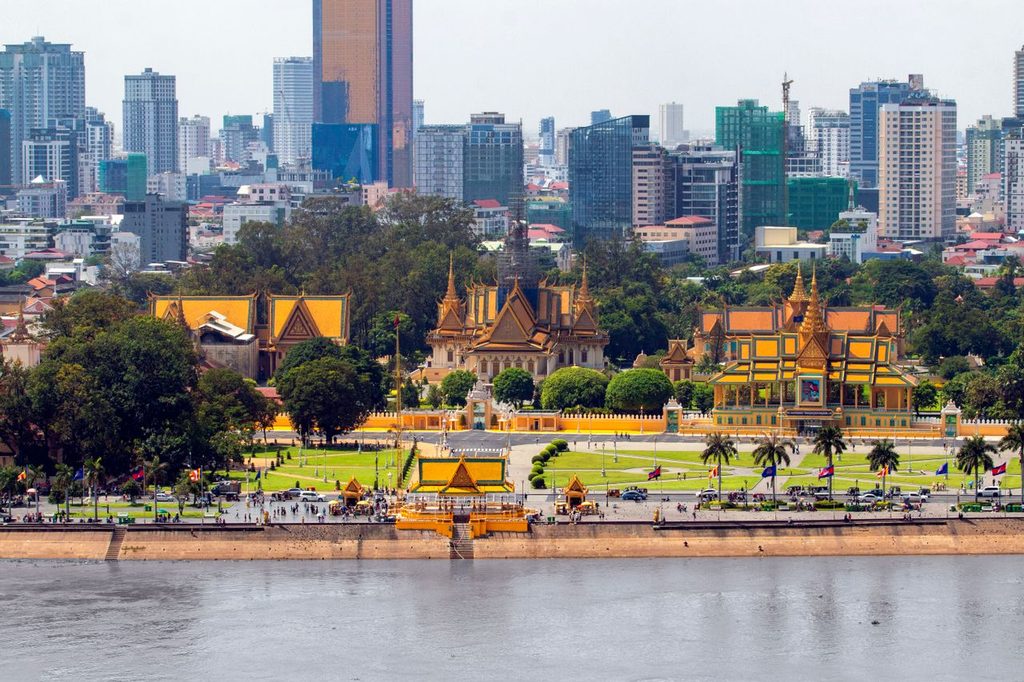
The more consequential compromises concern healthcare and legal protection. A serious medical problem can involve overseas treatment, adding transport, accommodation and insurance considerations to the apparent savings. The limitations of Cambodia’s legal process also matter when buying into a business or entering a substantial financial commitment.
Thailand offers more locations combining established foreign communities with substantial hospital services. Cambodia remains a credible alternative for someone comfortable with a narrower range of local services, but lower rent alone does not establish a lower overall cost of maintaining the same level of security and care.
Thailand or Malaysia?
Malaysia presents a particularly strong alternative where English-language access, private specialist healthcare and the treatment of overseas income carry substantial weight. Penang combines coastal surroundings with urban services, while Kuala Lumpur offers a metropolitan comparison with Bangkok.
For qualifying residents, Malaysia’s exemption for foreign-source income can materially affect the financial comparison. However, federal MM2H involves substantial deposits and property commitments. Someone may be able to afford everyday life in Penang while finding the required capital commitment unattractive or impractical. The separate state programmes have their own conditions.
Thailand’s annual retirement route can involve a smaller financial commitment than federal MM2H, while offering several established inland and coastal destinations. Malaysia may make everyday communication easier for an English speaker, but its consistently warm, humid climate offers less seasonal relief than northern Thailand.
Personal circumstances can make the distinction sharper. Thailand’s recognition of same-sex marriage and Malaysia’s criminalisation of same-sex sexual acts create a substantial legal difference, irrespective of how comfortable a particular neighbourhood feels.
Thailand or the Philippines?
The Philippines has a clear appeal for someone who finds Thailand’s language barrier isolating. Widespread English can make ordinary conversation, shared interests and participation in community life more accessible.
Its retirement programme also provides an alternative for qualifying applicants, while the general limitation of foreign nationals’ taxation to Philippine-source income can favour people living on genuinely foreign-source pensions or investments. Earnings from work physically performed in the Philippines require separate consideration.
The practical tradeoffs depend heavily on location. Metro Cebu provides access to major hospitals and international schooling, but traffic and bridge crossings can shape daily routines. Dumaguete offers a smaller coastal setting with a different range of services. Island connections and exposure to storms, earthquakes and infrastructure disruption add considerations that differ from mainland living in Thailand.
Thailand remains a strong option for someone who values its particular combination of services, established destinations and regional connections. The Philippines can offer a more accessible English-speaking social environment and a different financial position for overseas-income households. Those advantages may matter more than a modest difference in monthly rent.
What a Trial Stay Can Reveal
A trial stay can clarify the differences that country-level figures leave unresolved: the noise outside an affordable apartment, the journey to a hospital, the people available for regular company and the cost of maintaining an ordinary routine.
Its value comes from experiencing the location as a possible home. A central hotel, daily restaurant meals and sightseeing create a different picture from a residential neighbourhood, grocery shopping, working hours and repeated journeys.
The Neighbourhood and Daily Routine
Two properties advertised under the same destination name can produce very different lives. One may offer shops and cafés within walking distance; another may require transport for almost every errand. Construction, traffic noise, drainage and the condition of pavements can be difficult to judge from listings.
For families, the school run adds another fixed journey. For someone managing a medical condition, access to the appropriate hospital or clinic can matter more than proximity to the beach.
Spending and Social Life
A stay also provides a more personal spending record than a general budget. Air-conditioning use, preferred food, transport and leisure habits reveal which apparent savings survive everyday life.
A longer stay also reveals which activities run regularly, opportunities for repeated contact with neighbours and how much the international community changes with visitor turnover.
Season and Practical Limits
A visit during Chiang Mai’s cooler months will not show its worst smoke conditions. A dry-season stay in Da Nang or Bali will not reveal the same drainage, transport and outdoor-living limitations as wetter periods.
Some questions remain documentary rather than experiential. Residence eligibility, permission to work, insurance acceptance and tax treatment depend on the relevant rules and the individual’s circumstances. A trial stay can show how a place feels to live in; those arrangements establish whether that life is financially and legally workable over time.
💬 Are you weighing Thailand against another Southeast Asian country, or have you lived in both? Share your experience or the differences that matter most to you in the comments below.