
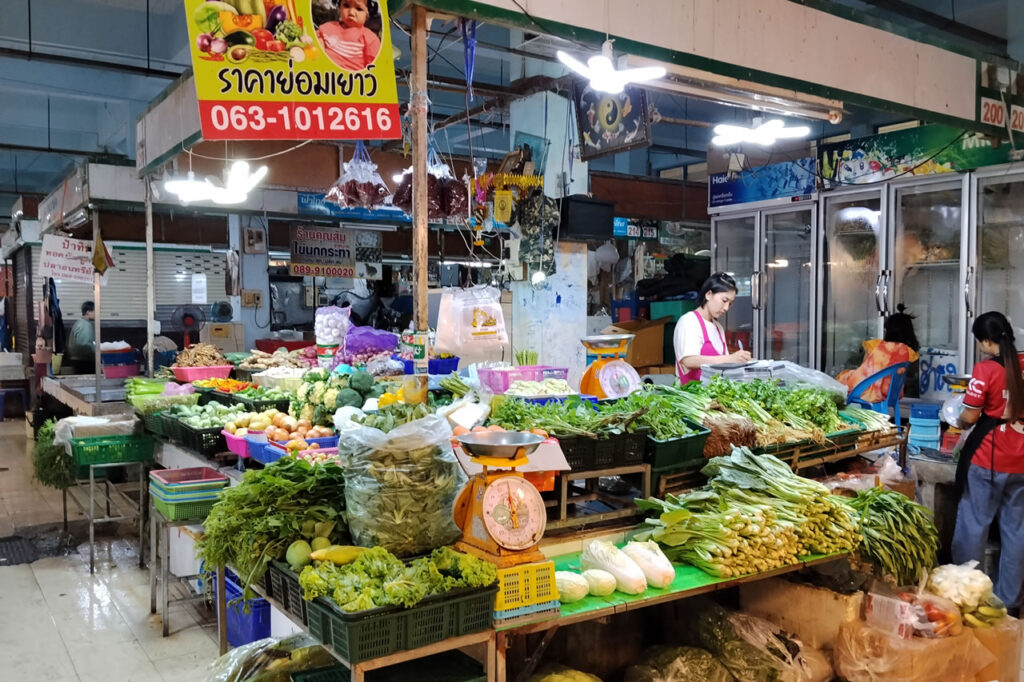
From the outside, many foreigners see a country of busy markets, new shopping malls, family businesses, and everyday smiles. But behind that surface, many Thai households are under serious financial strain. Household debt remains high, bank lending has become more cautious, and informal lenders continue to fill the gap for people who need money quickly but cannot easily access formal credit.
A recent tragedy in Hua Hin brought renewed attention to this issue, but the problem itself is much larger than one case. Across Thailand, many families borrow not to invest, expand, or improve their lives, but simply to keep up with daily expenses, repay existing loans, support relatives, or survive a temporary crisis.
Informal lending, often referred to in Thai as hnee nok rabop, exists outside the regulated banking system. It can be fast, flexible, and easy to access. But it can also come with extremely high interest rates, aggressive collection pressure, and a cycle of debt that becomes increasingly difficult to escape.
I have personal experience with this kind of loan situation, and I know how quickly financial pressure can build when repayment terms are harsh and there seems to be no breathing room. That is one reason this topic matters. It is not just about numbers, policy, or banking rules. It is about real people, real households, and the financial stress many foreigners living in Thailand may never fully see.
This article looks at Thailand’s wider debt problem, why informal lending remains so common, how bank lending policies play a role, and what foreigners should understand before lending money, co-signing loans, or judging financial situations they may not fully understand.
What Is Informal Debt in Thailand?
In Thailand, informal debt refers to money borrowed outside the regulated banking system. Known in Thai as hnee nok rabop (หนี้นอกระบบ), it includes loans provided by private individuals, local lenders, loan sharks, community lending networks, and increasingly, online lenders operating outside traditional financial institutions.
Unlike banks, informal lenders can often approve loans quickly and with minimal paperwork. In some cases, money may be available within hours rather than days or weeks.
For borrowers facing an emergency, that speed can be extremely attractive. Medical expenses, business losses, overdue bills, vehicle repairs, school costs, or existing debt repayments can create urgent financial needs that cannot wait for a lengthy approval process.
However, the convenience comes at a price.
Because these loans operate outside the formal banking system, borrowers often have fewer legal protections and less transparency regarding fees, repayment terms, and collection practices. Interest rates can vary widely and may be significantly higher than those offered by banks or licensed financial institutions.
Informal lending is not unique to Thailand. Similar systems exist throughout Asia and many other parts of the world. What makes Thailand unusual is the scale of the sector and the extent to which informal borrowing remains a part of everyday financial life for many households.
📌 For some borrowers, informal loans provide short-term relief during difficult periods. For others, they become the beginning of a debt cycle that grows increasingly difficult to escape.
Why Do People Borrow From Informal Lenders?
Many foreigners assume that people turn to informal lenders because they are irresponsible with money or unwilling to use banks. In reality, the reasons are often far more complex.
For some borrowers, an informal loan may be the only option available. Others may have access to bank credit but need money immediately and cannot wait for an approval process. In many cases, people borrow not because they want to, but because they feel they have no realistic alternative.
Medical expenses, business losses, unexpected repairs, school fees, family obligations, and existing debt repayments are among the most common reasons people seek short-term financing. A small business owner facing a cash flow problem may need money today to keep operating. A family dealing with an emergency may not have time to gather documents and wait for a bank decision.
Another factor is accessibility. Banks typically require proof of income, credit checks, employment records, and supporting documentation. Informal lenders often require little more than an identity card, a personal guarantee, or simply an existing relationship with the borrower.
For many people, the attraction is not the interest rate. It is the speed.
Money that can be obtained within hours may appear to solve an immediate problem. Unfortunately, that short-term solution can sometimes create a much larger long-term burden.
📌 The situation becomes even more difficult when borrowers use new loans to repay existing ones. What starts as a temporary financial setback can gradually turn into a cycle of borrowing that becomes increasingly difficult to escape.
The True Cost of Informal Lending
Most people focus on the amount borrowed. In reality, the real issue is often the cost of borrowing and the pressure that comes with it.
Informal lenders typically charge significantly higher interest rates than banks or licensed financial institutions. While rates vary widely, borrowers may face monthly interest charges that would be considered extraordinarily high in the formal banking system. In some cases, the annual cost can exceed several times the original loan amount.
The problem is that these loans are often designed for short-term repayment. When borrowers cannot repay the full amount on time, they may be forced to extend the loan, pay additional fees, or borrow elsewhere to cover the outstanding balance.
This is where many debt problems begin.
A loan originally taken to solve a temporary financial issue can gradually become a permanent burden. Instead of reducing debt, borrowers find themselves making payments simply to keep existing obligations under control. Over time, a larger portion of their income goes toward servicing debt rather than meeting everyday living expenses.
Formal vs Informal Lending in Thailand
| Feature | Formal Lending (Banks & Licensed Institutions) | Informal Lending |
|---|---|---|
| Approval Speed | Several days to weeks | Often within hours |
| Documentation | Income proof, credit checks, supporting documents | Usually minimal requirements |
| Interest Rates | Regulated by law | Can be significantly higher |
| Consumer Protection | Strong legal protections | Limited legal protection |
| Repayment Structure | Clearly defined terms and schedules | Terms may vary considerably |
| Collection Methods | Governed by regulations | Can range from informal reminders to aggressive pressure |
| Accessibility | More difficult for higher-risk borrowers | Often available to borrowers rejected elsewhere |
Financial pressure can also extend beyond the loan itself. Borrowers may face repeated payment reminders, social pressure, damaged personal relationships, or concerns about how lenders will react if repayments are missed.
Not every informal lender behaves aggressively, and not every borrower experiences serious problems. However, the lack of regulation means outcomes can vary considerably. Borrowers often have fewer options when disputes arise and less protection if terms become unfair.
📌 For that reason, many financial experts view informal debt not simply as a lending issue but as a risk factor that can create wider social and economic problems for households already under financial strain.
Thailand’s Debt Problem at a Glance
Thailand’s debt challenge extends far beyond informal lenders and loan sharks. While informal debt receives attention because of its high interest rates and collection practices, it exists within a much larger financial picture.

Over the past two decades, household borrowing has become a normal part of everyday life for many Thai families. Home loans, vehicle financing, credit cards, personal loans, and informal borrowing all contribute to a debt burden that ranks among the highest in Southeast Asia.
The result is a situation where millions of households carry ongoing debt obligations, leaving many families vulnerable to unexpected expenses, economic downturns, or sudden losses of income.
Thailand’s Debt Situation in Numbers
| Category | Estimated Figure | What It Means |
|---|---|---|
| Household Debt | ฿16.4 Trillion | Total debt owed by Thai households |
| Debt-to-GDP Ratio | 87–89% | Among the highest household debt levels in Southeast Asia |
| Estimated Informal Debt | ฿2.2 Trillion | Borrowing outside the regulated banking system |
| Indebted Households | 11+ Million | Households currently carrying debt obligations |
| Households Using Informal Loans | 42–50% | Estimated share of households with some form of informal debt |
Why These Numbers Matter
High levels of household debt affect far more than individual borrowers.
When a significant portion of income is used to repay loans, families have less money available for savings, education, healthcare, business investment, and discretionary spending. This can make households more vulnerable when unexpected expenses arise. Rising everyday expenses can make the situation even more challenging, particularly for households already operating on tight budgets. For a closer look at the financial realities many families face, read Cost of Living in Thailand.
Debt also affects the wider economy. Consumers burdened by repayments tend to spend less, reducing demand for goods and services. Businesses may struggle to grow when customers have less disposable income, while banks become more cautious about extending new credit.
📌 For many households, the issue is not simply the existence of debt. Debt can be a useful financial tool when managed responsibly. The challenge arises when repayments consume such a large share of income that families have little room to absorb financial shocks or improve their long-term financial position.
Why Banks Are Becoming More Cautious
If informal loans are so expensive and risky, a reasonable question is why more people do not simply borrow from banks instead.
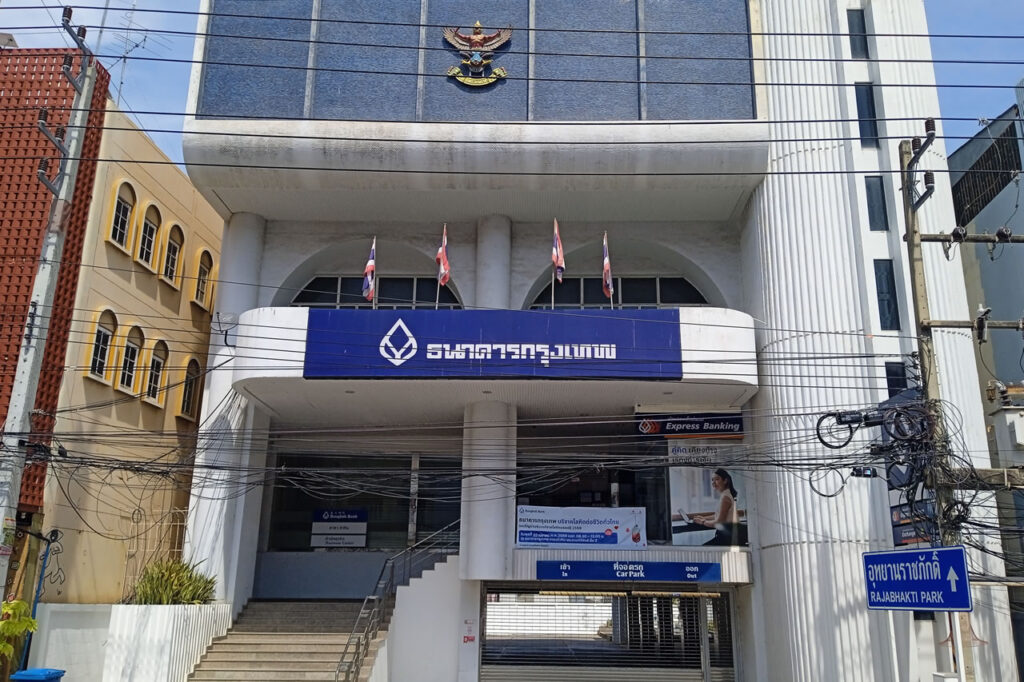
The answer is that obtaining formal credit has become increasingly difficult for many borrowers.
Over the past several years, Thai banks have faced rising levels of non-performing loans, economic uncertainty, and concerns about already high household debt. As a result, many lenders have tightened their approval criteria and become more selective about who qualifies for new credit.
For borrowers with stable employment, strong credit histories, and sufficient income, obtaining a loan may still be relatively straightforward. However, many others face significant challenges.
Small business owners, freelancers, gig workers, farmers, and individuals with existing debt obligations often find it more difficult to meet modern lending requirements. Even borrowers who previously qualified for loans may now face stricter assessments or lower borrowing limits.
From the banks’ perspective, this approach is understandable. Financial institutions must manage risk and protect themselves from rising default rates.
However, the unintended consequence is that some borrowers who cannot access formal credit begin looking elsewhere.
When a family faces an urgent financial need and a bank declines their application, the problem does not disappear. The need for money remains. In many cases, this is where informal lenders step in, offering fast approval with few questions asked.
As a result, Thailand’s informal lending sector continues to thrive alongside the formal banking system. The two are closely connected. When access to bank credit becomes more restrictive, demand for alternative sources of financing often increases.
📌 In that sense, informal lending is not simply a separate problem. It is also a symptom of wider financial pressures affecting households throughout the country.
How Debt Affects Everyday Life in Thailand
Debt is often discussed in terms of statistics, economic reports, and government policy. However, its real impact is felt in everyday life.
For many Thai households, debt is not associated with luxury spending or major investments. Instead, it has become a normal part of managing monthly finances.
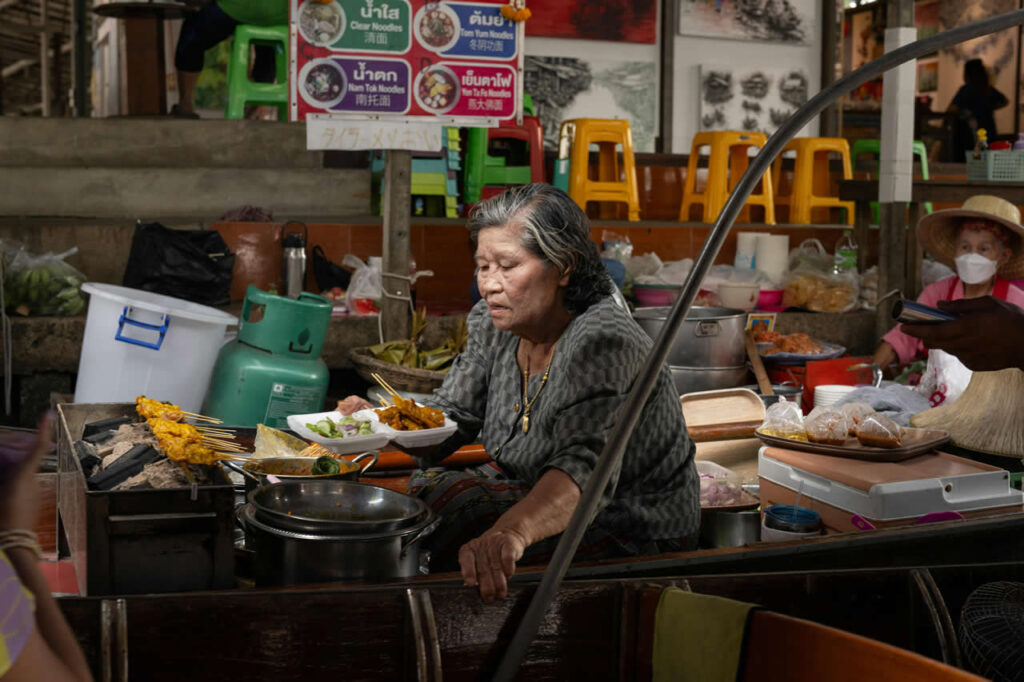
A market vendor may borrow to purchase inventory before receiving income from sales. A small business owner may take on debt to cover operating expenses during a slow period. A farmer may borrow to finance a crop and repay the loan after harvest. An office worker may use credit to cover unexpected expenses while supporting parents, children, or other family members.
In many cases, debt is not the result of a single bad decision. Rather, it develops gradually through a combination of rising living costs, family responsibilities, limited savings, and unexpected financial setbacks.
Living Month to Month
One challenge facing many households is that income and expenses often leave little room for emergencies.
Medical bills, vehicle repairs, school expenses, or temporary job losses can quickly create financial pressure. Healthcare costs, in particular, can be difficult for families without adequate savings or insurance coverage.
I cover Thailand’s healthcare system and medical costs in more detail in Healthcare System for Foreigners in Thailand. Without sufficient savings, borrowing often becomes the easiest solution.
📌 This does not necessarily mean borrowers are irresponsible. In many cases, they are simply trying to manage competing financial obligations with limited resources.
Family Obligations and Financial Pressure
Thailand’s strong family culture can also play a role.
It is common for adult children to support ageing parents, assist siblings, contribute to family businesses, or help relatives facing difficulties. While these responsibilities often strengthen family bonds, they can also create additional financial pressure.
📌 As a result, debt may sometimes be carried not only for personal expenses but also for wider family needs.
A Problem That Often Remains Hidden
One aspect that surprises many foreigners is how difficult it can be to identify financial hardship from the outside.
People rarely discuss debt openly. Financial struggles are often treated as private matters, and many individuals continue their daily lives without revealing the pressures they face.
Someone may appear financially comfortable while privately managing multiple loans, credit card balances, or repayment obligations.
📌 This is one reason debt can become such a serious issue. The pressure often remains invisible until a crisis occurs.
Due to unforeseen circumstances, I once found myself needing quick and uncomplicated access to money. A friend offered to lend me a relatively small amount at 10% interest per month. A contract was drawn up and within a few hours I had the money.
At the time, I wasn’t worried about the interest because I only expected to need the loan for a few weeks. Unfortunately, my financial situation changed and I couldn’t repay the loan as planned. What was supposed to be a short-term solution turned into a much longer problem.
For almost a year, I continued paying interest while the original debt remained outstanding. Eventually, I realised I had already paid an amount equal to the original loan in interest alone. At that point, I told my “friend” that I was no longer willing to continue making interest payments. He insisted the contract was clear and that wasn’t his problem. I told him he was welcome to sue me and wished him good luck.
Nothing ever happened, but the friendship didn’t survive.
What was intended as a quick fix turned into a year-long commitment at very high cost. Obviously, a true friend would never have charged these exorbitant fees in the first place. On a personal level, I felt taken advantage of; on the other hand, I had signed a contract agreeing to the conditions. I lost a friend but learned a very valuable lesson about human nature.
Cultural Factors That Influence Borrowing
While debt exists in every country, some cultural factors help explain why borrowing can take on a different character in Thailand.
Understanding these factors can provide useful context for foreigners trying to make sense of the country’s debt situation.
Family Responsibility Comes First
Thailand places a strong emphasis on family responsibility.
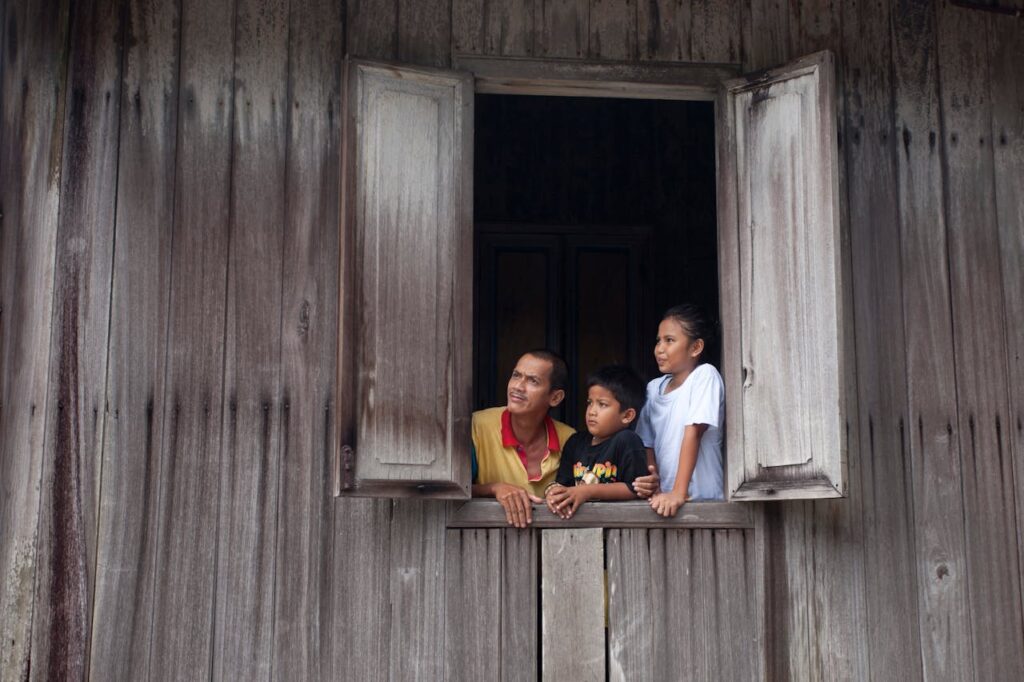
Many adult children provide financial support to parents long after becoming financially independent themselves. In some households, one family member may help support multiple generations, contributing to living expenses, healthcare costs, education, or family businesses.
This sense of responsibility is often viewed as a normal part of family life rather than a burden. However, it can also place significant pressure on household finances, particularly during difficult economic periods.
📌 When income is stretched across multiple family members, borrowing can sometimes become a way of meeting obligations that people feel unable to avoid.
Saving Face and Avoiding Embarrassment
Another factor is the desire to avoid public embarrassment or loss of face.
Financial difficulties are often kept private. Many people would rather struggle quietly than openly discuss money problems with friends, neighbours, or even relatives.
As a result, debt can remain hidden for long periods. Problems may only become visible when repayments are missed, assets are sold, or a financial crisis becomes impossible to conceal.
📌 This reluctance to discuss financial stress can sometimes prevent people from seeking help before problems become overwhelming.
Community Lending Traditions
Informal lending is not a new phenomenon in Thailand.
Long before modern banking became widely available, people often borrowed money within their communities through family networks, local lenders, shop owners, or trusted acquaintances.
While today’s informal lending sector is far larger and more complex, these traditions help explain why borrowing outside formal financial institutions remains socially accepted in many parts of the country.
📌 For some borrowers, approaching a local lender may feel more familiar and accessible than dealing with a bank.
The Pressure to Maintain Stability
Many borrowers are not trying to become wealthy or finance major purchases. Instead, they are simply trying to maintain stability.
The desire to keep a business operating, support family members, meet social obligations, or avoid disappointing others can sometimes lead people to take on debt they would otherwise avoid.
📌 Viewed through this lens, Thailand’s debt problem is not only an economic issue. It is also shaped by family expectations, social relationships, and cultural values that influence financial decisions every day.
How Thailand Reached This Point
Thailand’s debt problem did not emerge overnight.
Instead, it developed over several decades as economic growth, easier access to credit, rising living costs, and changing consumer habits made borrowing an increasingly normal part of everyday life.
For many years, wider access to credit was seen as a positive development. More people could buy homes, finance vehicles, start businesses, and improve their standard of living. Banks and financial institutions competed aggressively for customers, while credit cards, personal loans, and vehicle financing became widely available.
📌 As access to credit expanded and incomes rose, borrowing gradually became a normal part of household finances.
The Expansion of Consumer Credit
One of the key drivers of rising household debt was the rapid expansion of consumer lending.
Vehicle financing became particularly popular, allowing households to purchase cars with relatively small down payments. Credit cards and personal loans also became more widely available, giving consumers access to funds that previous generations often lacked.
While this increased access to credit supported economic growth and improved living standards for many families, it also contributed to higher levels of household borrowing.
📌 Over time, debt shifted from being an occasional financial tool to becoming a routine part of household finances.
Rising Costs and Slower Income Growth
At the same time, financial pressure on many households continued to increase.
Housing, education, healthcare, transportation, and everyday living costs have all risen over time. However, wage growth has not always kept pace.
As a result, some households became increasingly reliant on borrowing to maintain their standard of living or deal with unexpected expenses.
📌 This trend was particularly noticeable among lower- and middle-income households, where even small financial setbacks could have a significant impact.
The Impact of Economic Shocks
Major economic disruptions have also contributed to Thailand’s debt problem.
The Asian Financial Crisis of 1997 left a lasting mark on the economy. More recently, the COVID-19 pandemic severely affected tourism, hospitality, retail businesses, and many self-employed workers.
For countless households, income fell sharply while loan repayments and other financial obligations remained unchanged.
📌 Many people who had previously managed their finances comfortably suddenly found themselves under significant financial strain.
Debt Became Part of Daily Life
Over time, debt became a routine part of household finances for many Thai families.
Today, many households carry multiple financial obligations simultaneously, including mortgages, vehicle loans, credit card balances, personal loans, and informal debt.
For some families, these obligations remain manageable. For others, a single unexpected event can create a financial situation that quickly becomes difficult to control.
📌 This helps explain why Thailand’s debt challenge is so complex. It is not simply the result of irresponsible borrowing or poor financial decisions. Rather, it reflects economic, social, and financial trends that have developed over many years.
Government Attempts to Address the Problem
Successive Thai governments have recognised that high levels of household debt pose both economic and social challenges. As a result, various programmes have been introduced over the years to reduce financial pressure, improve access to formal credit, and help borrowers escape informal lending arrangements.
Despite these efforts, progress has been mixed.
Debt Registration and Restructuring Programs
One of the most common approaches has been encouraging borrowers to register their debts and enter restructuring programmes.
The idea is relatively simple. Borrowers with informal debt can come forward, disclose their obligations, and potentially move those debts into the regulated financial system through licensed institutions offering lower interest rates and more manageable repayment terms.
📌 Thousands of people have participated in such programmes. However, many borrowers still struggle to qualify for refinancing, particularly if they have unstable incomes or existing credit problems.
Expanding Access to Formal Credit
Authorities have also tried to increase access to legal forms of borrowing.
The reasoning is straightforward. If people can obtain affordable loans through regulated institutions, they are less likely to rely on loan sharks and other informal lenders.
However, this creates a difficult balancing act. Banks want to lend responsibly and avoid excessive risk, while policymakers want to ensure that households have access to legitimate sources of credit.
📍 Finding the right balance has proven challenging.
Financial Education and Debt Management
Another focus has been financial literacy.
Government agencies, financial institutions, and educational organisations regularly promote budgeting, saving, and responsible borrowing practices.
While these initiatives can help, financial education alone cannot solve problems caused by low incomes, rising living costs, or unexpected financial emergencies.
📌 For many households, the issue is not a lack of financial knowledge. It is a lack of financial flexibility.
Why the Problem Persists
Despite numerous initiatives, informal lending remains deeply embedded in many communities.
The reasons are largely the same as those that caused the problem in the first place:
- Fast access to cash
- Minimal paperwork
- Limited savings
- Family financial pressures
- Restricted access to formal credit
As long as borrowers face urgent financial needs that cannot easily be met through regulated institutions, demand for informal lending is likely to remain.
📌 This is why many economists view informal debt as a symptom rather than the root cause of the problem. The deeper issues involve household finances, income growth, access to credit, and the broader economic pressures affecting millions of Thai families.

What Foreigners Should Know
Thailand’s debt situation is primarily a challenge facing Thai households, but it can also affect foreigners living, working, or retiring in the country.
Understanding how debt influences daily life can help expats avoid misunderstandings, protect themselves financially, and better understand the pressures that may affect friends, employees, neighbours, or family members.
For foreigners planning a move, the lesson is also personal: financial pressure can build quickly when costs are underestimated or savings are too thin. Before relocating, it is worth reviewing the real numbers carefully. If you’re planning a move, you may also find How Much Money Do You Need to Move to Thailand? helpful.
Financial Stress Is Not Always Visible
One of the biggest surprises for many foreigners is that financial difficulties are often hidden.
Someone may appear successful, own a car, operate a business, or maintain a comfortable lifestyle while quietly carrying significant debt obligations. Financial problems are rarely discussed openly, and many people work hard to avoid burdening others with their concerns.
📌 As a result, it can be difficult to judge someone’s financial situation based on appearances alone.
Be Careful When Lending Money
Many long-term expats eventually find themselves in situations where a friend, employee, business partner, or family member asks for financial assistance.
While helping someone in genuine need can be rewarding, lending money can also create tension, misunderstandings, and damaged relationships.
Before lending money, it is important to understand:
- Why the money is needed
- Whether existing debts already exist
- How repayment is expected to work
- Whether you can afford not to get the money back
📌 A loan that seems small to a foreigner can become a major source of stress for everyone involved if expectations are unclear.
Think Carefully Before Becoming a Guarantor
In Thailand, some loans require a guarantor.
Acting as a guarantor may appear to be a simple favour, but it can create significant legal and financial obligations if the borrower fails to repay the debt.
📌 Foreigners should fully understand the potential consequences before agreeing to guarantee any loan or financial commitment.
Family Financial Obligations Can Be Complex
Foreigners in relationships with Thai partners may occasionally encounter financial situations that seem difficult to understand from a Western perspective.
Support for parents, siblings, grandparents, and extended family members is often considered a normal responsibility. In some cases, financial assistance may be expected even when it places pressure on the household budget.
📌 This does not automatically mean someone is being irresponsible or taken advantage of. However, it does mean that financial decisions are often influenced by wider family considerations rather than individual needs alone.
Debt and Relationships
Debt can also affect personal relationships in ways that are not always obvious to foreigners.
Many expats eventually find themselves in situations where a partner, family member, or close friend is helping someone with debt. Sometimes the debt belongs to a parent, sibling, adult child, or another relative. In other cases, the person may have borrowed money themselves and is struggling to manage repayments.
Because financial difficulties are often kept private, foreigners may not fully understand the pressures influencing certain decisions or requests for assistance.
This does not mean every request for money is justified, nor does it mean every debt story should automatically be believed. However, it is important to recognise that debt can create genuine stress and may influence behaviour in ways that are not immediately visible.
Before becoming financially involved, it is usually wise to understand the full situation. Questions worth asking include:
- How much debt exists?
- Who is owed the money?
- What are the repayment terms?
- Is the debt formal or informal?
- Has borrowing become a recurring pattern?
Clear communication is often more valuable than immediate financial assistance.
📌 For foreigners in long-term relationships, financial transparency can help prevent misunderstandings and ensure that important decisions are made together rather than in response to a crisis.
Avoid Quick Judgments
Perhaps the most important lesson is that debt problems are rarely as simple as they appear.
Some borrowers make poor decisions. Others are affected by circumstances beyond their control. Many fall somewhere in between.
📌 Thailand’s debt challenges are shaped by economic conditions, family responsibilities, cultural expectations, access to credit, and individual choices. Understanding that complexity can provide a more balanced perspective on an issue that affects millions of people across the country.
📍 Thailand’s debt problem is not just about loan sharks, banks, or economic statistics. It is about how ordinary people navigate financial pressure in a rapidly changing society. Understanding that reality provides a deeper insight into modern Thailand and the challenges many households face behind the scenes.
💬 Have a question or experience to share? Leave a comment below.