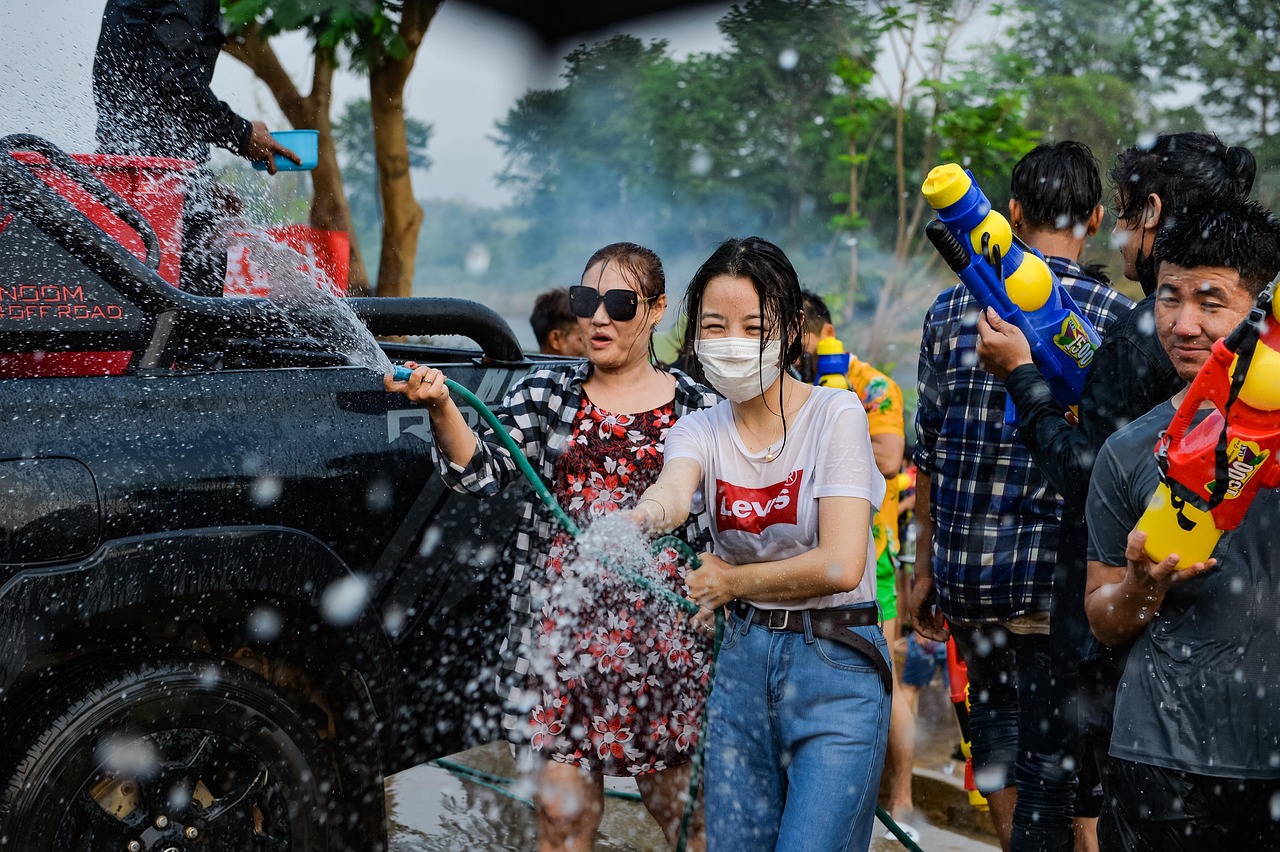
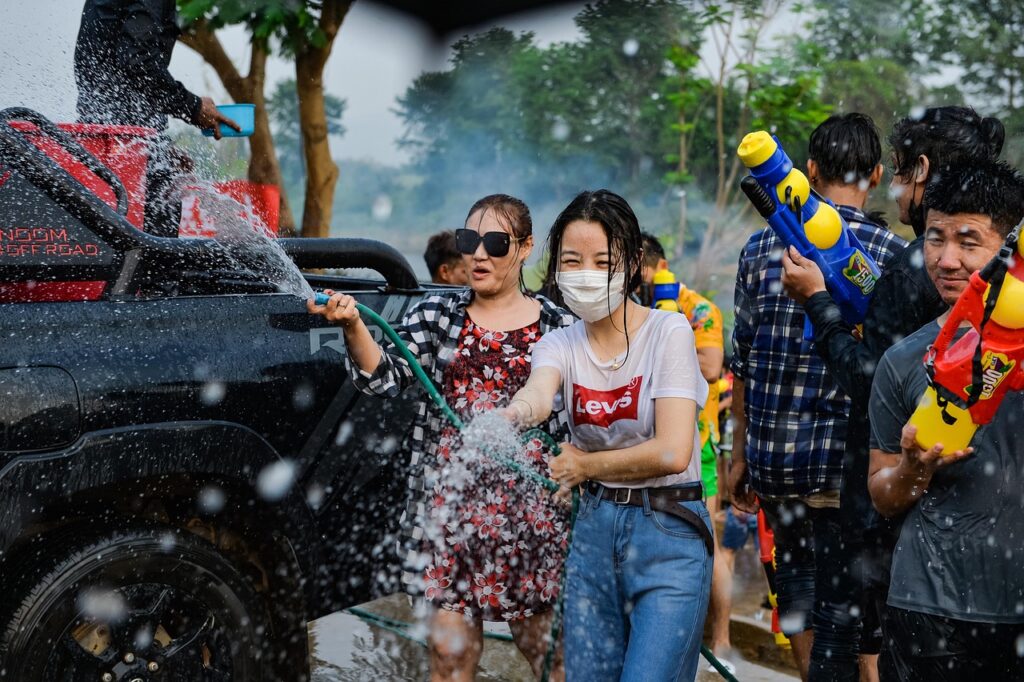
Songkran marks the traditional Thai New Year, with the main celebrations taking place from 13 to 15 April. For visitors, it is often associated with crowded streets, floral shirts and enthusiastic water fights. For many Thai families, it is also a time to return home, visit temples and pay respect to older relatives.
These different sides of the festival exist alongside each other. A morning water-pouring ceremony can be a gentle expression of respect, while an afternoon in a busy celebration area may mean loud music and getting soaked from every direction. Where you spend Songkran makes a considerable difference to the experience.
I first experienced Songkran in Chiang Mai, where the crowds and water fights around the old city moat made a lasting impression. This guide explains the traditions, how celebrations differ across Thailand, and the practical considerations for joining in or enjoying a quieter holiday.
When Is Songkran?
The main Songkran dates are 13–15 April each year, but local celebrations do not all follow the same timetable. Some places concentrate their water fights into a day or two, while others hold activities over a longer period.
In parts of eastern Thailand, later celebrations are known as Wan Lai. Pattaya’s main Wan Lai day is traditionally 19 April, so arriving after the national holiday does not necessarily mean you have missed the festivities.
For travel planning, distinguish between three things:
- The main festival dates: 13–15 April.
- Local celebration dates: water fights, processions and ceremonies may take place before or after those dates.
- The public-holiday period: substitute holidays or additional government-declared days can extend the break in a particular year.
📌 Check the local programme before booking around a specific event. The busiest celebration day at your destination may fall outside the main three-day festival.
The Meaning and Traditions Behind the Festival
Water is central to Songkran as a symbol of cleansing and renewal. Traditional rituals use small amounts of water to show respect and offer blessings, a quieter counterpart to the street celebrations.
For many families, the holiday is an opportunity to return to their hometowns and spend time with parents, grandparents and other relatives. Religious activities and family customs remain an important part of the occasion, even in places known for their water fights.
Paying Respect to Elders
Younger family members gently pour scented water over the hands of older relatives and ask for their blessings. The ceremony expresses gratitude and respect, and similar ceremonies take place in communities and workplaces.
In northern Thailand, paying respect to elders is an important part of the Lanna New Year tradition known as Pi Mai Muang, with customs that vary between communities.
Visiting Temples and Bathing Buddha Images
Many people visit temples to make merit, offer food to monks and remember deceased relatives. Another familiar ritual is Song Nam Phra, the ceremonial bathing of Buddha images with scented water.
Buddha images may be placed in accessible ceremonial areas at temples and other public locations so people can take part. Visitors are often welcome to join; following the arrangements and watching how others participate helps keep the gesture respectful.
Building Sand Stupas
At some temples, families and community groups build small sand stupas, often decorated with flowers and colourful flags. These are a form of merit-making and a shared activity during the holiday.
The balance of ceremonies, processions and family gatherings differs across Thailand. Visiting a local temple during Songkran offers a chance to see traditions that are less visible in the busiest water-fight areas.
What to Expect from the Water Celebrations
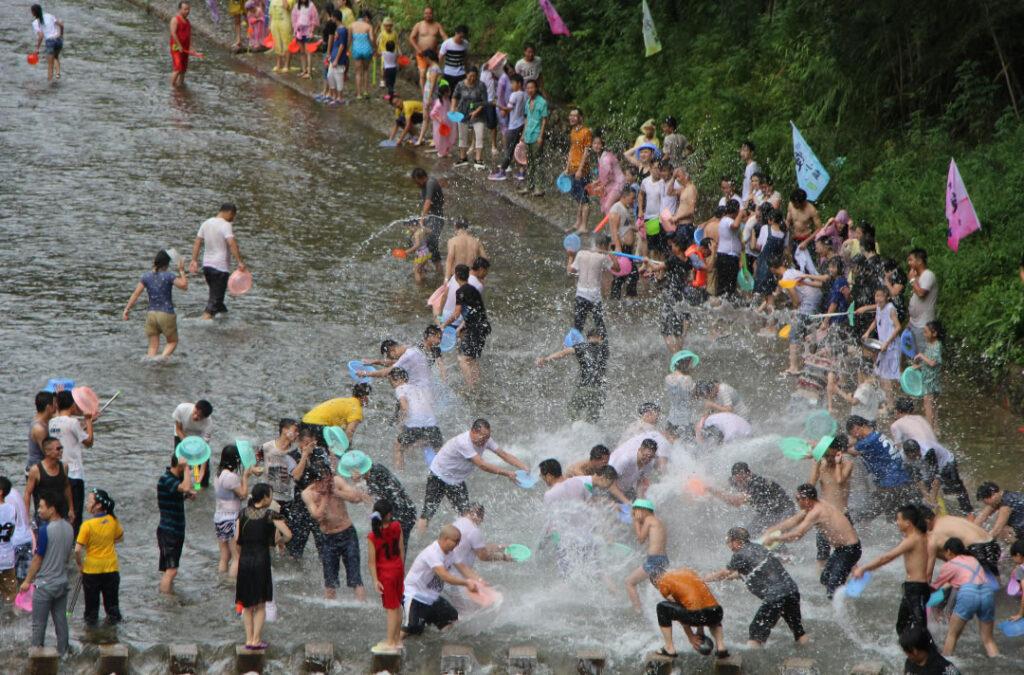
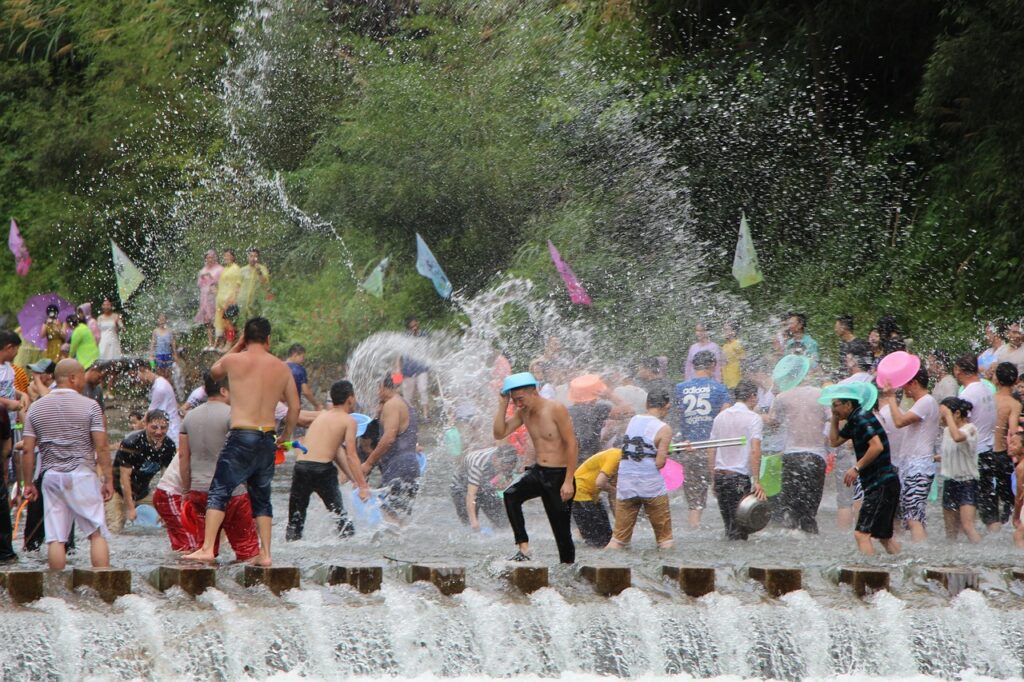
In busy celebration areas, water comes from every direction: water guns, buckets, hoses and people standing beside large containers outside shops and bars. Music plays from competing speakers, groups dance in the streets, and passing strangers become part of the same water fight.
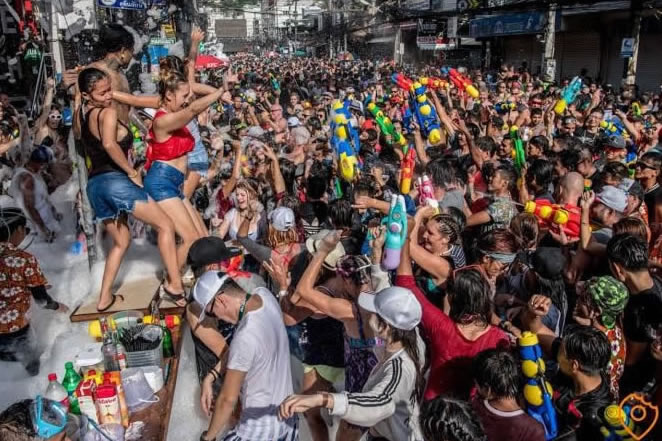
Expect to get thoroughly soaked if you enter one of these areas. Standing at the edge or carrying a camera does not reliably keep you dry. Some people use chilled water, which can come as a surprise despite the April heat.
The atmosphere varies considerably. A neighbourhood street may have children playing outside their homes and families sharing food, while a major tourist area can feel like an extended street party. Organised music events add another option, sometimes with admission charges and entry rules.
My first Songkran in Chiang Mai was quite an experience. The streets around the old city moat were packed with Thais and foreigners, with loud music, people dancing and water coming from everywhere. I could hardly believe the scale of it, or that the celebrations continued for days.
It is an experience I remember vividly, but the crowds and noise are worth considering when choosing where to celebrate. You can enjoy Songkran without spending an entire day in the busiest streets.
Where to Experience Songkran
Choose where to celebrate according to the atmosphere you enjoy. Large water fights, traditional ceremonies and neighbourhood gatherings can all take place in the same city, so your choice of area matters as much as the destination.
| Place | What to Expect | What to Consider |
|---|---|---|
| Bangkok | Major water-play areas such as Silom and Khao San Road, organised events and temple celebrations elsewhere in the city. | Choose a specific area rather than expecting the whole city to celebrate in the same way. Large crowds can make meeting friends or moving between venues difficult. |
| Chiang Mai | Water fights around the old city moat alongside processions, temple activities and Lanna New Year traditions. | Accommodation near the moat puts you close to the action, but getting in and out during celebrations can be slow and wet. |
| Pattaya | Lively street celebrations and later Wan Lai festivities, extending the opportunity to join in beyond the main national dates. | Check the local timetable carefully, especially if you want to attend or avoid the busiest day. |
| Phuket | Beachside celebrations and busy water fights in tourist areas, with community and temple activities elsewhere on the island. | Pick your base according to how much street-party activity you want around your accommodation. |
| Smaller towns and neighbourhoods | More locally focused celebrations, often combining water play with family gatherings and temple activities. | A smaller place can still have enthusiastic water fights. Look at the immediate surroundings rather than assuming it will be quiet. |
For a more cultural experience, look for temple programmes and traditional processions rather than choosing solely by a destination’s reputation for water fights. You can spend part of the day watching ceremonies and join the street celebrations later.
Joining In: What to Wear, Bring and Keep in Mind
A little preparation makes the water celebrations more comfortable. Carry only what you need, and choose clothes and footwear you can spend several hours wearing wet.
Clothing and Belongings
- Wear lightweight clothing that stays comfortable when soaked. Floral shirts are a popular choice. Avoid fabrics that become transparent when wet, and keep swimwear for the beach or pool.
- Choose footwear with a secure fit and decent grip. Wet paving can be slippery, and loose sandals are easily lost in crowds.
- Protect your phone and valuables. Use a waterproof pouch or dry bag, check the closure carefully, and leave your original passport and unnecessary valuables securely at your accommodation.
- Consider eye protection. Goggles can help shield your eyes from direct splashes, although they do not make high-pressure jets safe.
- Allow for the heat. Being wet does not prevent sunburn or dehydration. Use water-resistant sunscreen, drink water and take breaks in the shade.
Respectful Water Play
Join in with people who are clearly participating. Avoid splashing food vendors at work, people carrying meals, and anyone who signals that they do not want to take part. Give monks, older people and young children particular consideration.
Never throw water at someone riding a motorcycle or driving another vehicle. A sudden splash can obscure their vision or cause them to lose control.
Use clean water and an ordinary water gun or small container. Avoid high-pressure devices, throwing ice, and aiming directly at someone’s face. If people are applying powder or paste, ask before touching another person and respect a refusal.
📌 Temple ceremonies follow different expectations from street water fights. Cover shoulders and knees, remove shoes where required, and keep water guns out of the rituals.
Travel and Everyday Life During the Holiday
Songkran is a major domestic travel period as people return to their hometowns or take a holiday. This affects transport and accommodation beyond the places hosting large celebrations.
Booking Transport and Accommodation
Book intercity trains, buses and flights ahead if your journey falls close to the holiday. Popular departures can fill up, and road journeys may take longer as people leave major cities before the break and return afterwards.
When choosing accommodation, check access as well as distance from the celebrations. A hotel beside a water-fight area may be convenient for joining in, but less suitable if you need a straightforward airport transfer or somewhere quiet to rest. Ask whether road closures affect vehicle access, particularly if arriving with luggage.
Getting Around Locally
Walking is often the simplest option within a celebration area, though dense crowds can make even short distances slow. Arrange a clear meeting point with friends before entering busy streets.
Taxis and ride-hailing services may have to collect you outside closed roads. Allow extra time for transfers and check the pickup location rather than assuming a driver can reach your hotel entrance.
📍 I would avoid riding a motorcycle through active water-fight areas. Sudden splashes, slippery surfaces and unpredictable movement make it an unnecessary risk. If you need to drive elsewhere, allow time for holiday traffic and arrange another way home if you will be drinking.
Offices, Shops and Services
Government offices, immigration offices and many bank branches close for public holidays. Branch arrangements and private-business opening hours vary, so check directly if you need a particular service.
If a visa deadline, banking task or other appointment falls near Songkran, deal with it beforehand where possible. Smaller shops, laundries and local restaurants may also close while their owners visit family, even when nearby tourist businesses remain open.
If You Prefer a Quieter Songkran
You can enjoy Songkran without joining the busiest water fights. A temple visit, a traditional procession or a meal with friends can offer a more relaxed way to spend the holiday. If you are invited to a family ceremony, let your hosts guide you through taking part.
For a quieter stay, choose accommodation away from established celebration streets, outdoor stages and busy bar areas. Ask the property about previous years: whether water play takes place directly outside, how long music usually continues, and whether you can reach restaurants without passing through the main crowds.
Avoiding the busiest areas reduces your chances of getting soaked, but does not guarantee a dry outing. Neighbourhood water play can happen outside homes and shops, and a polite request will not always stop an enthusiastic splash.
If you need to stay dry for a journey or appointment, arrange an enclosed vehicle and check that it can reach your pickup point. Otherwise, carrying a change of clothes may be easier than planning your day around avoiding every splash.
Related Thai Festivals and Traditions
- Loi Krathong: Thailand’s Festival of Light and Reflection
Floating offerings, their meaning and what to expect when joining the celebrations.
- Phuket Vegetarian Festival: History, Rituals & What Visitors Should Know
An introduction to the beliefs, shrine ceremonies and processions behind this Thai-Chinese festival.
💬 Have you experienced Songkran in Thailand? Share where you celebrated and how you found it, whether you joined the water fights or preferred the quieter traditions.