
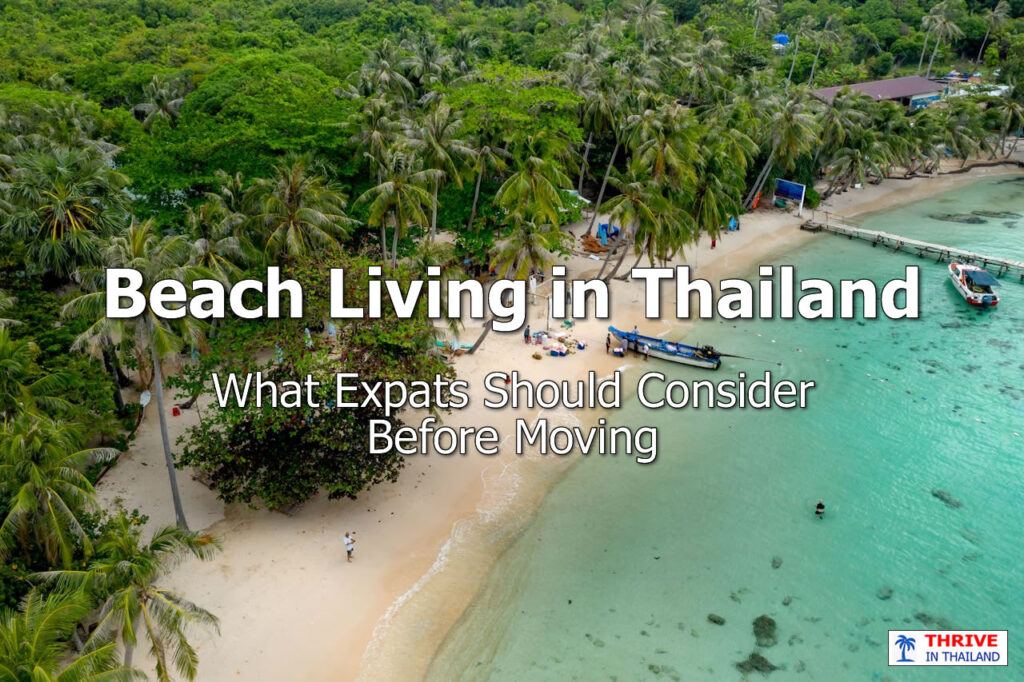
Beach living in Thailand is one of those ideas that sells itself. Warm mornings, salty air, sunset walks, and the feeling that life has finally slowed down to a pace you can live with.
And honestly, that part can be true.
But living at the beach full-time is not the same as escaping to the islands for two weeks. The day-to-day reality includes practical stuff that does not show up in holiday photos: healthcare access, internet reliability, seasonal crowds (and the months when they disappear), social circles that constantly change, and the slow “holiday mode” drift that can sneak up on you.
This guide is not here to talk you into beach life or talk you out of it. It’s here to help you make a smart call. Because beach living in Thailand can be incredible if it fits your personality, your budget, your work situation, and your stage of life. If it doesn’t, the beach can still be a perfect place to visit while you build your base somewhere that supports real long-term living.
Now let’s break it down properly: the genuine pros, the real cons, and what tends to change after the honeymoon phase wears off.
The Pros of Beach Living in Thailand
Living near the beach in Thailand offers more than just good views. For many expats, it shapes daily routines, encourages a more active lifestyle, and brings a different pace to everyday life. Ocean air, walkable shorelines, and year-round warmth can genuinely improve how you experience your days.
Here are the practical advantages that make coastal living so attractive.
A Slower, More Grounded Pace of Life
One of the biggest draws of beach living in Thailand is how naturally life slows down. Days tend to feel less rushed, routines become simpler, and there is less pressure to constantly be somewhere or do something. Even practical tasks like shopping or meeting friends often happen at a more relaxed rhythm.
For many expats, this slower pace is not about doing less, but about doing things with less friction. Fewer crowds, fewer decisions, and fewer daily stress triggers can make everyday life feel more manageable, especially after years of fast-paced city living.
Mental and Physical Health Benefits
Living near the sea encourages movement without forcing it. Walking along the beach, swimming, cycling, or simply spending more time outdoors becomes part of normal life rather than a scheduled activity. Combined with natural light and fresh air, this often leads to better sleep, improved mood, and more consistent low-impact exercise.
While beach living is not a cure-all, many expats report feeling mentally lighter and physically better simply because their environment supports healthier habits with less effort.
Everyday Access to Nature
At the beach, nature is not something you plan around. It is just there. Morning swims, sunset walks, or quiet moments by the water do not require packing, traffic, or scheduling. This easy access to open space is one of the biggest quality-of-life advantages compared to city living.
Over time, this kind of daily contact with nature can be grounding in a way that short trips or weekend escapes rarely replicate.
Smaller, More Personal Expat Communities
Many beach towns have smaller expat populations than major cities, which often leads to more familiar faces and tighter social circles. It is easier to become a regular at a café, a gym, or a local restaurant, and relationships tend to form more naturally through repetition rather than effort.
For expats who value familiarity and community over variety, this can be a major advantage.
Well-Suited to Certain Life Situations
Beach living in Thailand tends to work especially well for people in specific situations: retirees, semi-retirees, remote workers with flexible schedules, or anyone taking a deliberate step back from a high-pressure phase of life.
When income is stable and time flexibility is high, the lifestyle benefits of beach living become easier to enjoy without the trade-offs feeling restrictive.
The Cons of Beach Living in Thailand
Beach living in Thailand also comes with trade-offs. The same environment that feels relaxed and freeing can introduce limitations in infrastructure, healthcare access, income opportunities, and long-term stability. Some challenges are obvious from the start, while others only become noticeable after the novelty wears off.
Here are the realities worth considering before committing to coastal life.
Limited Healthcare and Specialist Access
One of the most important realities of beach living in Thailand is healthcare access. While many coastal towns have local hospitals and clinics, they are often limited in terms of specialists, advanced diagnostics, and emergency care. For anything serious, expats frequently need to travel to larger medical hubs, often Bangkok or Phuket, depending on their region.
This is not an issue when you are young and healthy, but it becomes increasingly relevant with age or ongoing medical needs. Long-term beach living requires realistic planning around healthcare, health insurance in Thailand, and travel logistics, not just convenience.
Fewer Income and Career Opportunities
Beach towns are lifestyle destinations, not economic hubs. Local job opportunities are limited and often tied to tourism, hospitality, or seasonal demand. For expats without stable remote income, savings, or pensions, this can become a source of pressure over time.
Even for remote workers, beach living can feel restrictive if reliable internet, professional services, or business networks are harder to access consistently.
Seasonality Shapes Daily Life
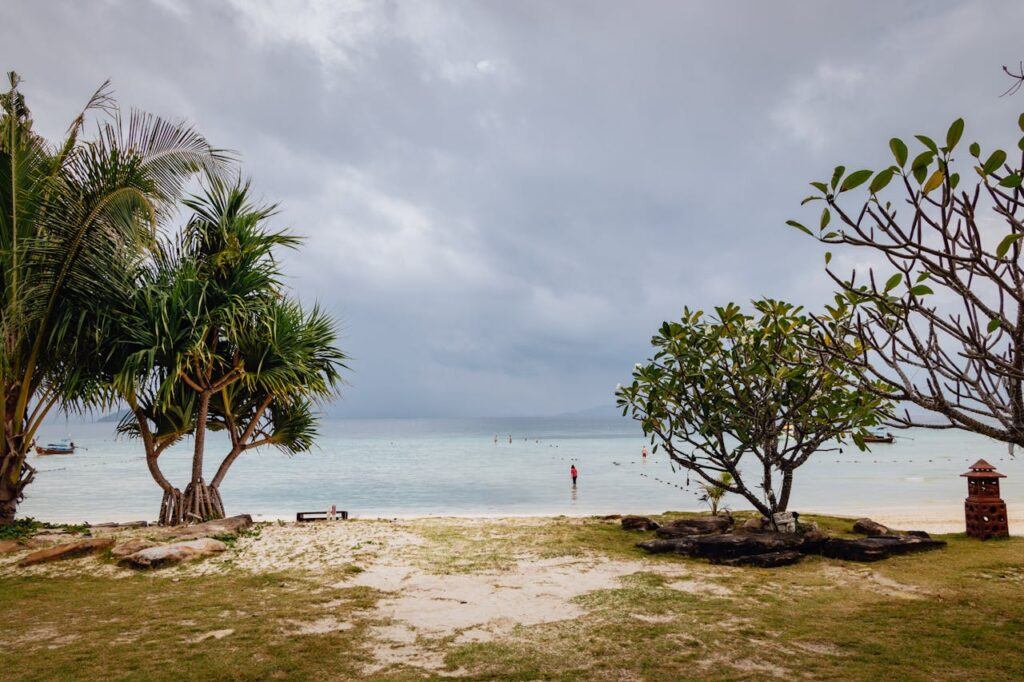
Life at the beach changes significantly with the seasons. During high season, towns can feel busy, social, and energetic. During low season, the same places may become quiet, humid, and noticeably emptier.
This seasonal rhythm affects not only tourism, but also social life, restaurant openings, activities, and even motivation. Some people love the quiet months. Others find them isolating after a while.
Infrastructure Trade-Offs
Compared to major cities, beach areas often come with compromises in infrastructure. Power cuts, water pressure issues, road maintenance delays, and slower internet speeds are more common, especially outside premium locations.
These issues are usually manageable, but over time they can become frustrating if you rely on stable utilities for work or value convenience in daily life.
High Social Turnover and Community Fatigue
Beach towns attract short-term visitors, seasonal workers, and expats who stay for a year or two before moving on. As a result, social circles can change constantly. Friendships form easily, but many do not last.
For some expats, this creates a sense of community fatigue: repeatedly investing in relationships that eventually dissolve as people leave.
Lifestyle Drift and “Permanent Holiday” Habits
Beach living makes it easy to slip into habits that feel harmless at first but add up over time. More eating out, more drinking, less structure, and higher day-to-day spending can quietly erode both health and finances.
Without deliberate routines and boundaries, what initially feels like freedom can turn into a lack of direction, especially for long-term residents.

Beach Towns vs Island Living: An Important Distinction
One important nuance in beach living in Thailand is the difference between mainland beach towns and island living. While both offer coastal lifestyles, the day-to-day realities can be quite different, especially over the long term.
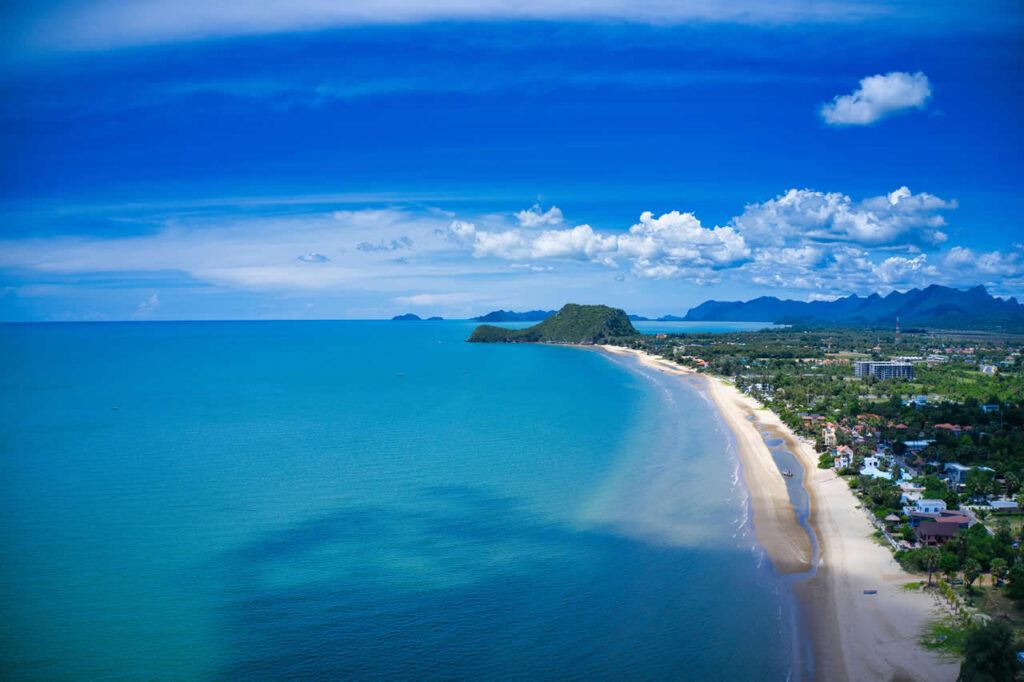
Mainland beach towns tend to offer better access to healthcare, more reliable infrastructure, and easier transportation. Travel to larger cities is usually faster and less weather-dependent, and services continue to function year-round even during quieter seasons. This often makes mainland coastal living feel more flexible and forgiving, particularly for long-term residents.
Island living, on the other hand, comes with stronger trade-offs. Healthcare facilities are typically limited, infrastructure disruptions are more common, and travel can be affected by weather or seasonal schedules. Seasonality is also more pronounced, with sharper contrasts between busy and quiet periods. For some expats, this isolation is part of the appeal. For others, it becomes a challenge over time.
Neither option is inherently better. The key difference lies in commitment. Mainland beach towns allow for easier adjustment and mobility, while island living tends to feel more final and self-contained. Understanding which environment you are drawn to helps set realistic expectations and avoid surprises after the initial excitement wears off.
The Honeymoon Phase: What Changes Over Time
For many expats, beach living in Thailand feels close to perfect during the first months. The scenery is new, routines feel lighter, and even small inconveniences are easy to ignore. Life feels simpler, almost suspended from the pressures you may have felt before.
Over time, that initial glow naturally fades. The beach becomes familiar rather than exciting. Sunsets turn from events into background scenery. This is not a failure of beach living, but a normal part of settling into any place long-term.
What often changes is the need for structure. Without work routines, social variety, or clear personal goals, some expats begin to feel restless or oddly flat, even while living in what looks like an ideal setting. Others thrive once they establish rhythms that go beyond the environment itself.
Understanding this shift matters. Beach living tends to work best when it is supported by purpose, routine, and stability rather than relying solely on atmosphere. When those elements are in place, the lifestyle can remain deeply satisfying long after the honeymoon phase ends.
Beach Living at Different Life Stages
Beach living in Thailand can look very different depending on where you are in life. The same environment that feels liberating at one stage can feel limiting at another. Understanding this context helps avoid mismatched expectations.
In Your 30s and 40s
For expats in their 30s and 40s, beach living often represents freedom and flexibility. Remote work, minimal routines, and a relaxed pace can feel like a major upgrade from structured city life. When income is stable and work hours are flexible, the lifestyle can be deeply rewarding.
However, this stage of life often comes with a need for growth, stimulation, and social variety. Over time, some expats find that limited professional networks, fewer activities, or a narrow social pool can lead to restlessness if not balanced intentionally.
In Your 50s
In your 50s, priorities often shift from novelty toward balance and sustainability. Beach living can offer calm, routine, and space to slow down without fully stepping away from active life.
At the same time, access to healthcare, reliable infrastructure, and social stability becomes more important. Many expats at this stage look for coastal towns that offer a middle ground rather than extreme isolation or heavy tourism.
Retirement Years
For retirees, beach living in Thailand can be highly appealing, but practical considerations carry more weight. Proximity to quality healthcare, ease of transportation, and long-term support networks matter more than scenery alone.
When these needs are met, coastal living can provide a comfortable, enjoyable retirement. When they are not, even the most beautiful location can become stressful over time.

Cultural Depth: Integration vs the Expat Bubble
Beach towns in Thailand vary widely in how much everyday contact you have with Thai culture. Some coastal areas still function as normal Thai towns with tourism layered on top. Others are heavily service-oriented environments where daily life revolves around visitors and expats.
In places with deeper local roots, expats are more likely to interact with Thai neighbors, hear and use the language, and experience daily life beyond restaurants and leisure activities. This often leads to a stronger sense of belonging over time, even if it requires more effort at the beginning.
In more insulated beach communities, life can feel easy and familiar, especially for newcomers. English is widely spoken, services are tailored to foreigners, and routines are comfortable. The trade-off is that long-term residents may feel disconnected from the country itself, living in a bubble that looks appealing but can feel shallow over time.
Neither model is inherently better. What matters is alignment. Some expats value ease and familiarity. Others need cultural engagement to feel grounded and fulfilled. Recognizing which environment suits you best can make the difference between long-term satisfaction and quiet frustration.
Thinking Long-Term: Having an Exit Strategy
One overlooked aspect of beach living in Thailand is that it does not have to be a permanent decision. Many expats eventually move again, often inland or to a larger city, as priorities change over time.
Having an exit strategy does not mean expecting failure. It means maintaining flexibility. Easy access to transport, short lease agreements, and avoiding unnecessary long-term commitments can make future transitions far less stressful.
Some beach locations are naturally easier to leave than others due to airports, road connections, and access to services. Others require more planning and effort when it comes time to move on. Thinking about these factors early allows you to enjoy beach living without feeling locked in.
For many expats, beach life works best as a chapter rather than a destination. Knowing you can adapt and relocate if needed often makes the experience more relaxed and sustainable.

So, Is Beach Living in Thailand Right for You?
Beach living in Thailand can be deeply rewarding, but it works best when expectations match reality. It tends to suit expats who value simplicity, have stable income, and are comfortable with a slower pace and fewer choices. For those people, the beach can become a genuinely supportive environment rather than just a beautiful backdrop.
It can be more challenging for expats who rely on local work, need frequent access to specialized healthcare, or thrive on variety and structure. In those cases, the beach may be better enjoyed as a place to visit regularly rather than a permanent base.
The key is alignment. When your lifestyle, finances, health needs, and personality fit the environment, beach living in Thailand can be an excellent long-term choice. When they do not, Thailand still offers many other places where daily life may feel more balanced and sustainable.
Beach life does not have to be all or nothing. For many expats, the most satisfying approach is combining coastal time with a home base elsewhere that supports long-term living.
🧭 If you’re unsure how well beach living fits your situation overall, a relocation readiness check can help you think through the practical side before making a long-term decision.
FAQs About Beach Living in Thailand
Beach living raises a lot of practical questions that don’t always come up until you seriously consider it as a long-term lifestyle. The answers below address some of the most common concerns expats have when weighing the realities of living by the sea in Thailand.
📌 Is beach living in Thailand more expensive than living inland?
It depends less on rent and more on daily habits. Accommodation near the beach can be affordable, especially outside premium locations, but everyday spending often increases. Eating out more often, socializing in tourist-oriented venues, and lifestyle conveniences can quietly raise monthly costs. Many expats find beach living affordable overall, but less forgiving if spending is not kept in check.
📌 Is healthcare good enough in beach areas for long-term living?
Most beach towns have local hospitals and clinics that are suitable for routine care. However, access to specialists, advanced diagnostics, and complex treatment is usually limited. For serious medical needs, travel to larger cities is often required. Long-term beach living works best when healthcare planning and insurance are in place rather than treated as an afterthought.
📌 Does beach living in Thailand get boring over time?
For some people, yes. The novelty of the beach naturally fades, just as it would anywhere else. Whether boredom sets in depends largely on structure, purpose, and personal interests. Expats who build routines, social connections, and meaningful activities tend to remain content, while those relying solely on the environment for stimulation may struggle over time.
📌 Is beach living suitable if I work remotely?
Beach living can work well for remote workers with flexible schedules and disciplined routines. Internet quality is generally good in established areas, but outages and slower speeds are more common than in major cities. Distractions and “holiday mode” habits can also impact productivity if boundaries are not clearly set.
📌 Are beach towns in Thailand touristy all year round?
Most are not. Tourism follows strong seasonal patterns. High season brings energy, events, and social activity. Low season can feel quiet, humid, and noticeably slower, with some businesses reducing hours or closing temporarily. Some expats enjoy the calm of low season, while others miss the social rhythm of busier months.
📌 Do most expats stay at the beach long-term?
Some do, but many eventually move again. It is common for expats to spend a few years at the beach before relocating inland or to a city as priorities change. This is a normal progression rather than a sign that beach living “failed.” Flexibility is one of the strengths of living in Thailand.
📌 Is it better to live near the beach or just visit regularly?
For many expats, visiting regularly offers the best balance. Living inland or in a city can provide better infrastructure, work opportunities, and healthcare access, while the beach remains an easy escape rather than a daily compromise. Others prefer full-time coastal living and are happy to accept the trade-offs. The right choice depends on how you want your everyday life to function.
💬 Have you lived by the beach in Thailand, or are you considering it? Feel free to share your experience or questions in the comments below.