
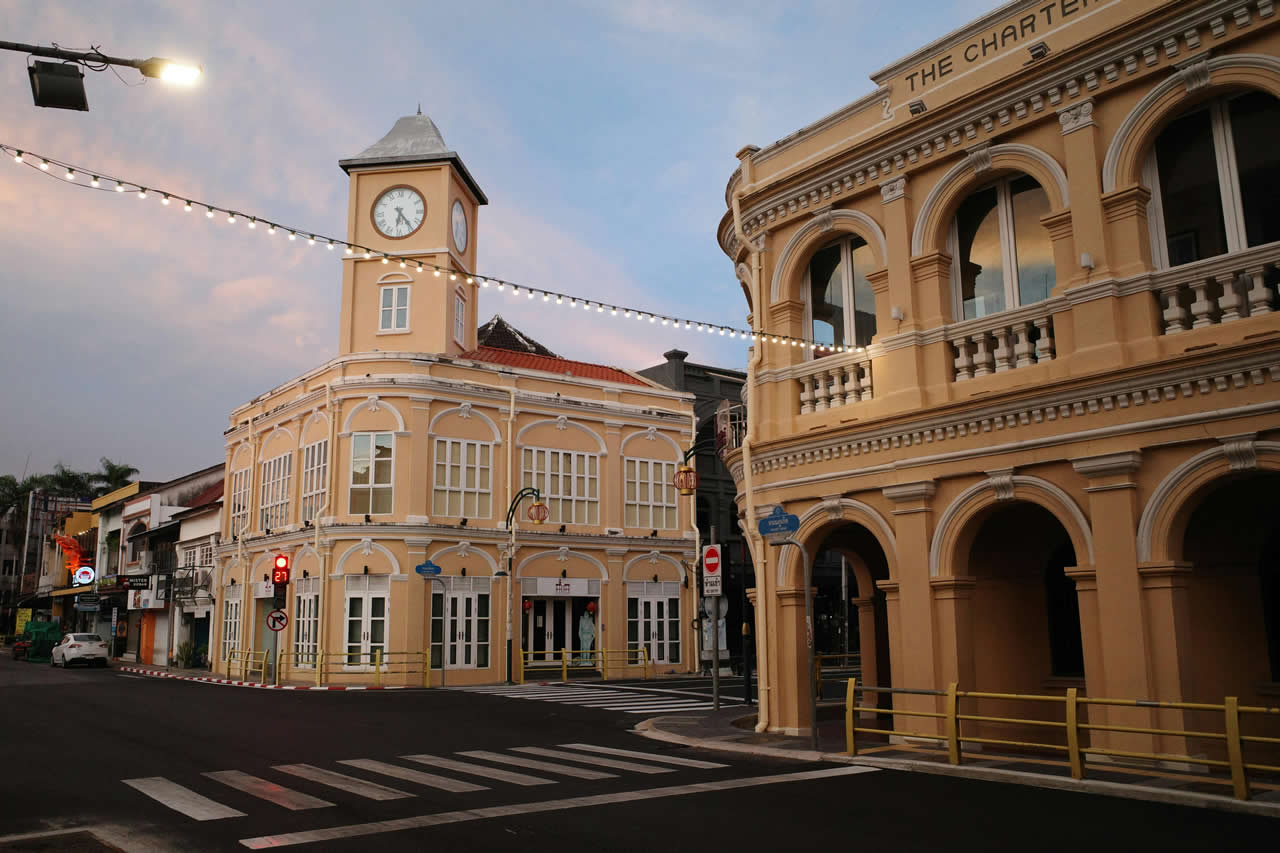
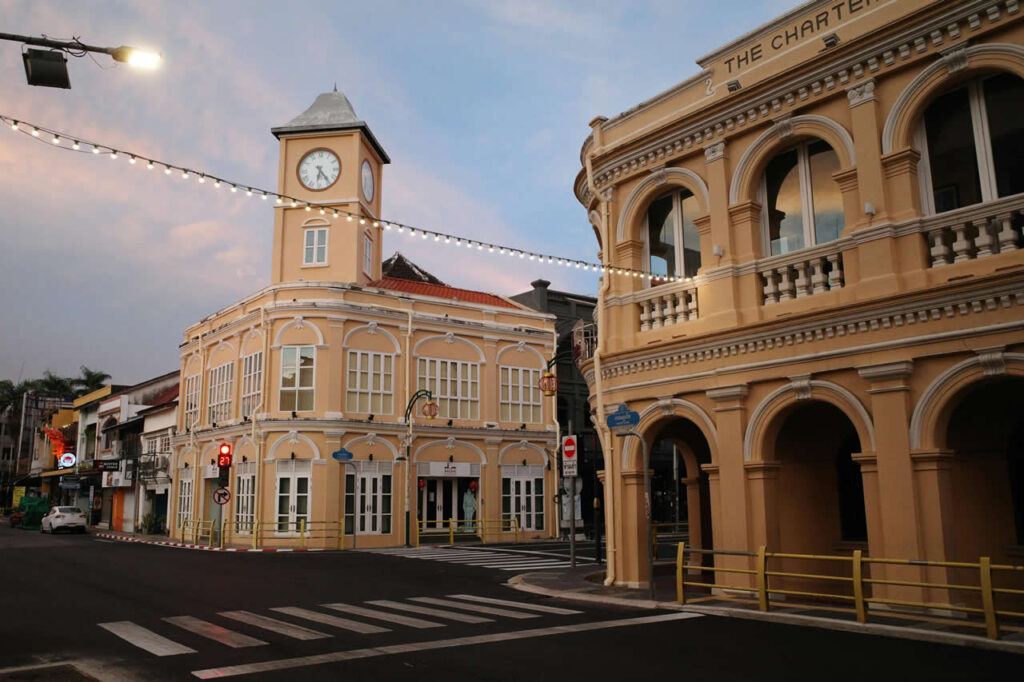
Phuket Town is the side of Phuket most tourists barely notice, which is exactly why a lot of expats and long-stay visitors end up liking it. This isn’t where you come for beachfront resorts and sunset cocktails. It’s a real Thai city with old shophouses, strong local food, everyday services, and a rhythm that feels more “live here” than “vacation here.”
Set on the southeast side of Phuket Island, Phuket Town makes a great base if you want culture, convenience, and easy day trips without paying beach-area prices. It suits travelers who like markets, cafés, and walkable streets, but it’s also a smart pick for digital nomads, families, and retirees who want Phuket with less chaos and more practicality.
In this guide, you’ll find the best things to do in and around Old Town, where to stay (and which areas actually make sense), what to eat, how to get around, and the most useful local tips to avoid wasting time or money once you arrive.
Where Is Phuket Town?
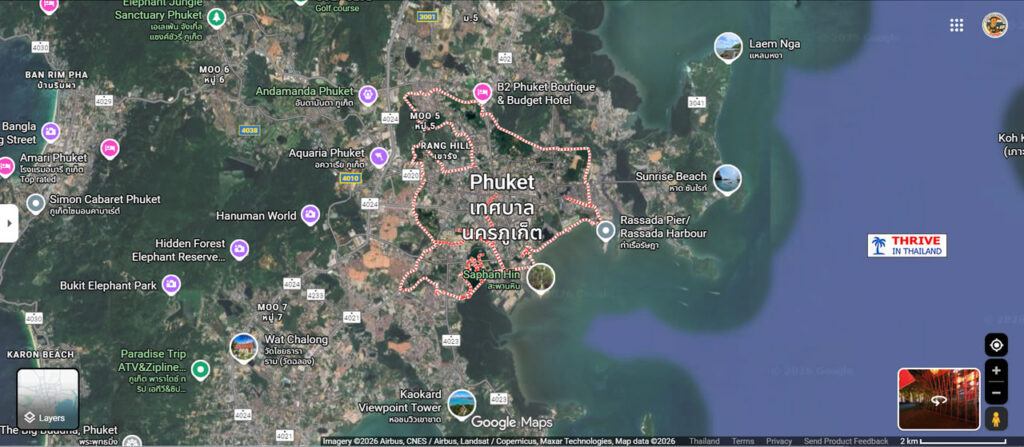
Phuket Town is located on the eastern side of Phuket Island, in Phuket Province, southern Thailand. Unlike the island’s well-known west-coast beach areas, the town sits inland and serves as Phuket’s administrative, commercial, and cultural center.
This is a working Thai city rather than a resort zone. Government offices, hospitals, schools, shopping centers, and residential neighborhoods are concentrated here, which gives Phuket Town a more local, everyday feel. Its position also makes it a practical base for getting around the island, with most beaches, piers, and attractions reachable within 30–45 minutes by car or motorbike, depending on traffic.
Key location notes:
- Around 35 km from Phuket International Airport
- About 25–40 minutes to the main west-coast beaches
- Well connected by major roads running north–south across the island
- Home to Phuket Old Town, known for its Sino-Portuguese architecture
📌 If you want Phuket’s infrastructure and local life without being locked into a beach resort area, Phuket Town offers a well-balanced base.
Phuket Town on the Map
Phuket Town developed as the island’s original settlement, which explains why many of Phuket’s main roads lead toward or through this area. From here, it’s easy to reach the airport to the north, the west-coast beaches, southern viewpoints, and the eastern piers without crossing the island multiple times.
Click the image below to open Phuket Town’s location in Google Maps in a new tab.
Best Time to Visit Phuket Town
Phuket Town can be visited year-round, but the experience varies depending on weather, crowds, and costs. Because it’s not a beach resort area, seasonal changes here tend to affect prices and atmosphere more than day-to-day convenience.
- High season (November to February) is the most popular time to visit. Weather is generally dry and comfortable, making it ideal for walking around Old Town, visiting markets, and taking day trips. This period also brings higher accommodation prices and more visitors, especially around Christmas and New Year.
- Hot season (March to May) is quieter and noticeably warmer. Daytime temperatures can be intense, but Phuket Town remains manageable if you plan activities in the mornings or evenings. This is a good time for travelers who prefer fewer crowds and don’t mind the heat in exchange for better value.
- Rainy season (June to October) brings regular showers, usually short and heavy rather than constant. While the west coast can feel rougher during these months, Phuket Town stays relatively unaffected, making it a practical base. Rents and hotel prices are lower, traffic is lighter, and the town feels more local. For long-stay visitors, this is often the most cost-effective time to settle in.
October is also when the Phuket Vegetarian Festival takes place, bringing large processions, shrine ceremonies, and a noticeably more intense atmosphere to the town for about a week.
When to avoid:
- Late December and early January if you’re sensitive to crowds or peak pricing
- Major holiday weekends when traffic around the island slows down significantly
📌 Overall, November to March offers the best balance of weather and convenience, while June to October suits travelers and expats focused on value, space, and a slower pace of life.
Not sure if it’s a good month to visit?
Use the Monsoon Weather Checker—choose a destination and month to see a clear Go / Iffy / Avoid signal from Thailand’s Meteorological Department climate averages (historical; no forecasts), plus typical rainfall, rainy days, temperature, and a one-line sea conditions note.
How to Get to Phuket Town
Phuket Town is easy to reach thanks to Phuket’s international airport and the island’s well-developed road network. Whether you’re arriving from within Thailand or from abroad, getting here is usually straightforward — and the price ranges below give you a realistic sense of what to expect.
By plane
Phuket International Airport (HKT) is about 35 km north of Phuket Town. It serves regular domestic flights from Bangkok, Chiang Mai, and other Thai cities, as well as international routes.
- Taxi or Grab from the airport: ~฿600–฿900 to Phuket Town (depending on traffic and ride type)
- Airport shuttle bus: ~฿100 per person to Phuket Bus Terminal 1 (then a short taxi/Grab into town)
By bus or minivan (from other provinces)
Long-distance buses and shared minivans arrive at Phuket Bus Terminal 2 just north of Phuket Town:
- Bus from Bangkok: ~฿660–฿900 one way (VIP/express)
- Minivan from nearby provinces (e.g., Krabi): ~฿200–฿400
📌 From the bus terminal, a local taxi/Grab into central Phuket Town is usually around ฿80–฿150.
By car or motorbike
If you’re driving from the mainland (via the Sarasin Bridge), the main highway leads directly into Phuket Town. Rental prices are:
- Car: ~฿800–฿1,200/day (smaller cars often cheaper long-term)
- Motorbike: ~฿250–฿400/day (~฿4,000–฿6,000/month for long-term)
Practical tip:
✅ Because Phuket Town is centrally located and well connected, many visitors pick it as a base and either:
- Rent a vehicle locally for stays longer than a few days
- Use Grab or local transport for short stays
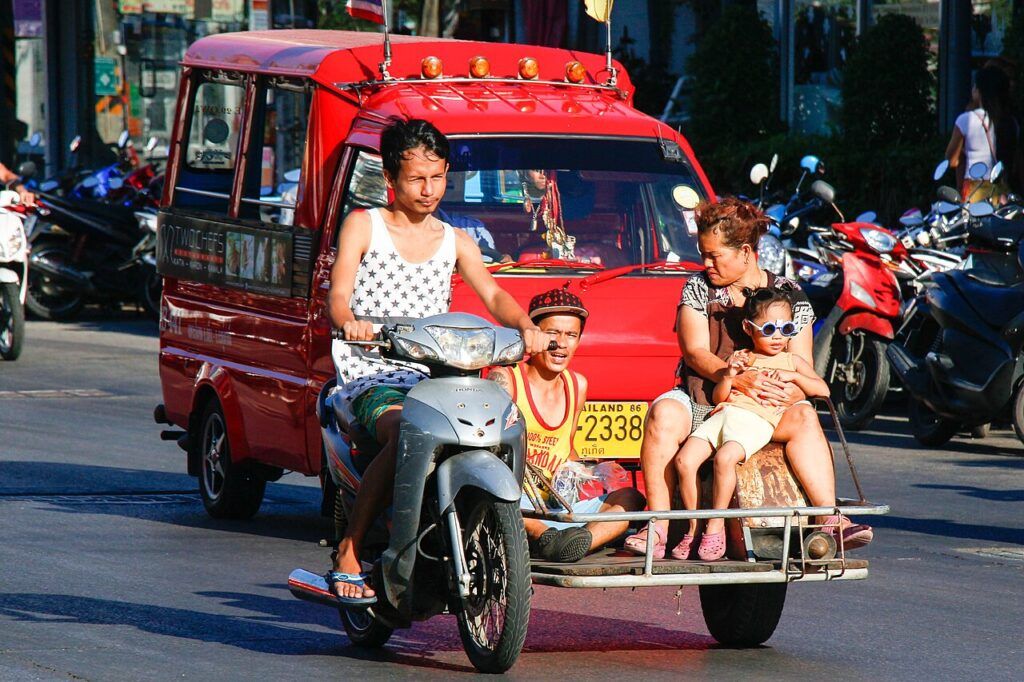
Getting Around Phuket Town
Getting around Phuket Town is relatively straightforward, especially compared to the island’s beach areas. The town itself is compact, but distances between neighborhoods, shopping centers, and nearby attractions mean you’ll usually rely on some form of transport.
On foot
Parts of Phuket Old Town are walkable, particularly around Thalang Road, Dibuk Road, and the surrounding streets. Walking works well for cafés, markets, and short sightseeing loops, but it’s not practical for moving between districts or during the hotter parts of the day.
Grab & ride-hailing apps
Grab is widely used in Phuket Town and is one of the most convenient options for short trips.
- Typical rides within town: ฿80–฿150
- Longer trips (shopping malls, piers, outskirts): ฿150–฿300
📌 Availability is generally good, and prices are more reasonable here than in some beach areas.
Local buses & songthaews
Phuket’s traditional blue songthaews run between Phuket Town and major beaches, but they are slow and limited for getting around within town itself.
- Fares usually range from ฿30–฿50 per ride
These are useful if you’re heading to a beach on a budget, but not ideal for everyday errands.
Motorbike rental
For longer stays, renting a motorbike is often the most practical option.
- Daily rental: ฿250–฿400
- Monthly rental: ฿4,000–฿6,000
📌 A valid license and helmet are essential, and police checkpoints are common around town.
Car rental
Cars make sense for families or anyone planning frequent trips around the island.
- Daily rental: ฿800–฿1,200
- Monthly deals can reduce costs significantly
📌 Parking in Phuket Town is easier than in beach zones, but limited in Old Town during peak hours.
Practical tips:
- Traffic increases noticeably during school hours and evening rush periods
- Always carry your license if riding a motorbike
- If you don’t want to drive, Phuket Town is one of the easier places on the island to rely on Grab
✅ Overall, Phuket Town offers more practical and affordable transport options than most resort areas, making it a comfortable base for daily life as well as short visits.
Top Things to Do in Phuket Town
Phuket Town isn’t about ticking off major attractions in a rush. The appeal here is slower and more local, built around food, culture, and everyday city life. Many of the best things to do are simple, walkable, and easy to fit into a normal day.
Explore Phuket Old Town
Wander through the streets around Thalang Road, Dibuk Road, and Krabi Road, where colorful Sino-Portuguese shophouses line cafés, small museums, and local businesses. Sunday evenings bring the popular Walking Street Market, but weekday mornings are quieter and better for photos.
Visit local markets
Markets are a big part of daily life in Phuket Town. The Downtown Market (Talad Kaset) and weekend night markets are great places to try local snacks, shop for fresh produce, and get a feel for how the city really works beyond tourism.
Cafés & local food stops
Phuket Town has one of the island’s strongest food scenes. Spend time hopping between long-standing local restaurants, bakeries, and independent cafés rather than chasing “must-see” sights. This is where the town really shines.
Temples & cultural spots
Small neighborhood temples are scattered throughout the town and are often overlooked by visitors. Places like Wat Mongkol Nimit offer a quiet break from the streets and a glimpse into everyday religious life.
Phuket Vegetarian Festival (seasonal)
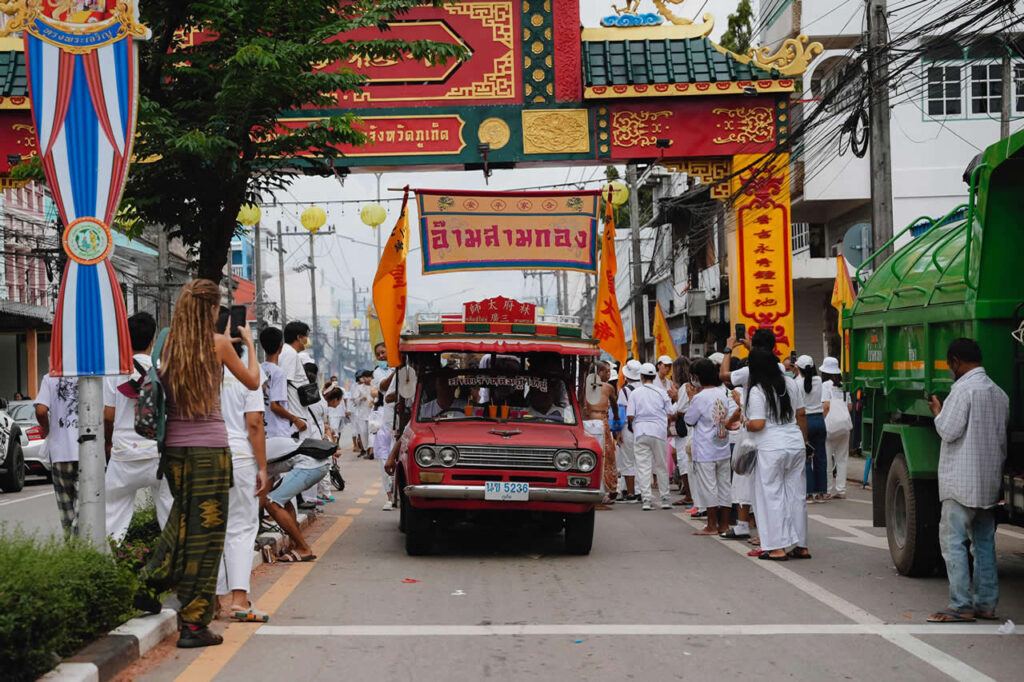
Usually held in late September or October, the Phuket Vegetarian Festival is one of the most important cultural events in Phuket Town. Centered around local shrines, the festival brings large processions, ceremonies, and a dramatic shift in atmosphere for several days, offering a rare look into the town’s deep Chinese heritage.
Viewpoints near town
Several viewpoints sit just outside the town area and are easy to reach by motorbike or car. They offer wide views over the city and surrounding hills without needing to commit to a full island tour.
Museums & heritage houses
For those interested in history, a handful of small museums and restored heritage buildings explain Phuket’s tin-mining past and Chinese influence. These are compact, low-effort visits that fit well into a half-day schedule.
📌 Overall, Phuket Town rewards curiosity more than planning. It’s a place to slow down, explore on foot, and let food, architecture, and local routines guide your time rather than a fixed checklist.
Best Beaches Near Phuket Town
Phuket Town itself isn’t a beach destination, but one of its advantages is how easy it is to reach several good beaches without staying in a resort area. Most beaches are day-trip friendly, making it easy to combine city life with regular time by the sea.
Cape Panwa Beach
Located on the quieter east–southeast side of the island, Cape Panwa offers a more relaxed and uncrowded atmosphere. The beach is narrow but peaceful, with calm water and very little commercial development. It’s best suited for a low-key half-day escape rather than swimming-focused beach time.
- Travel time: ~25–30 minutes
- Best for: Quiet scenery, short breaks, avoiding crowds
Kata & Karon Beaches
These west-coast beaches are among the most popular and are still manageable as day trips from Phuket Town. Kata has a slightly more relaxed feel, while Karon is long, open, and less dense despite its popularity.
- Travel time: ~35–45 minutes
- Best for: Swimming, restaurants, classic Phuket beach experience
Patong Beach
Patong is the closest major beach area and easy to reach, but it’s also the busiest. While it’s not ideal for those seeking tranquility, it can be convenient for a quick swim, sunset, or meeting friends before heading back to town.
- Travel time: ~30–35 minutes
- Best for: Convenience, people-watching, nightlife access
Rawai & Nai Harn (further south)
Slightly farther away, these southern beaches are popular with expats and long-stay residents. Nai Harn is better for swimming, while Rawai is more about seafood, views, and local life than beach lounging.
- Travel time: ~45–55 minutes
- Best for: Longer beach days, expat-friendly vibe
📌 If beaches are a daily priority, staying closer to the coast may make more sense. But if you prefer a city base with occasional beach trips, Phuket Town offers a flexible balance without resort pricing or crowds.
Best Photo Spots & Scenic Viewpoints in Phuket Town
Phuket Town offers a different kind of visual appeal than the island’s beach areas. Instead of dramatic seascapes, the highlights here are heritage streets, hilltop viewpoints, and everyday city scenes that feel distinctly local.
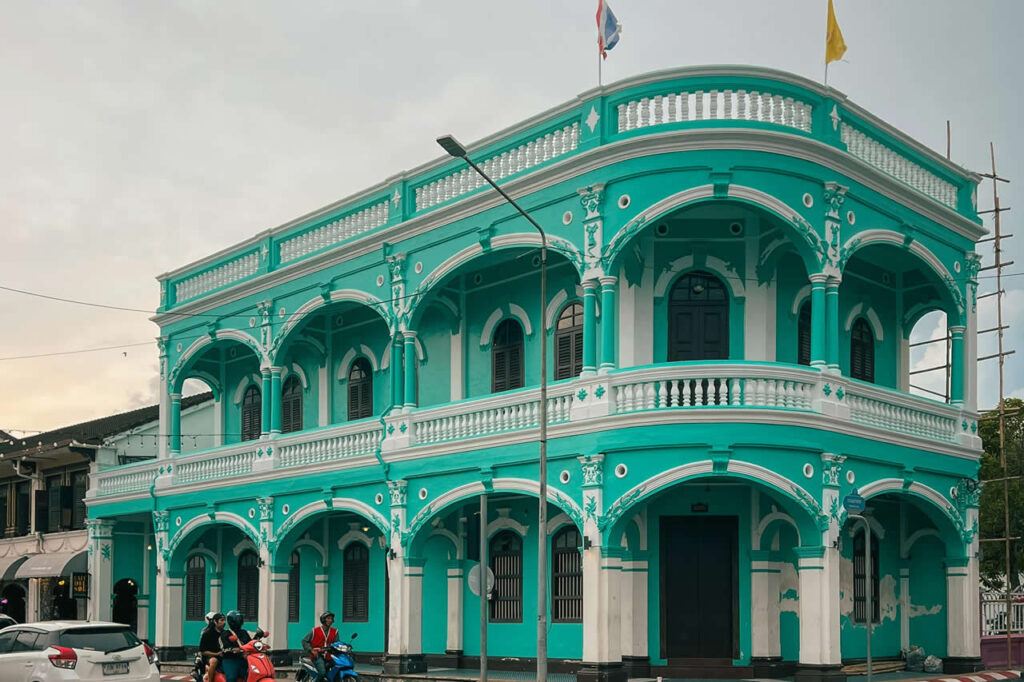
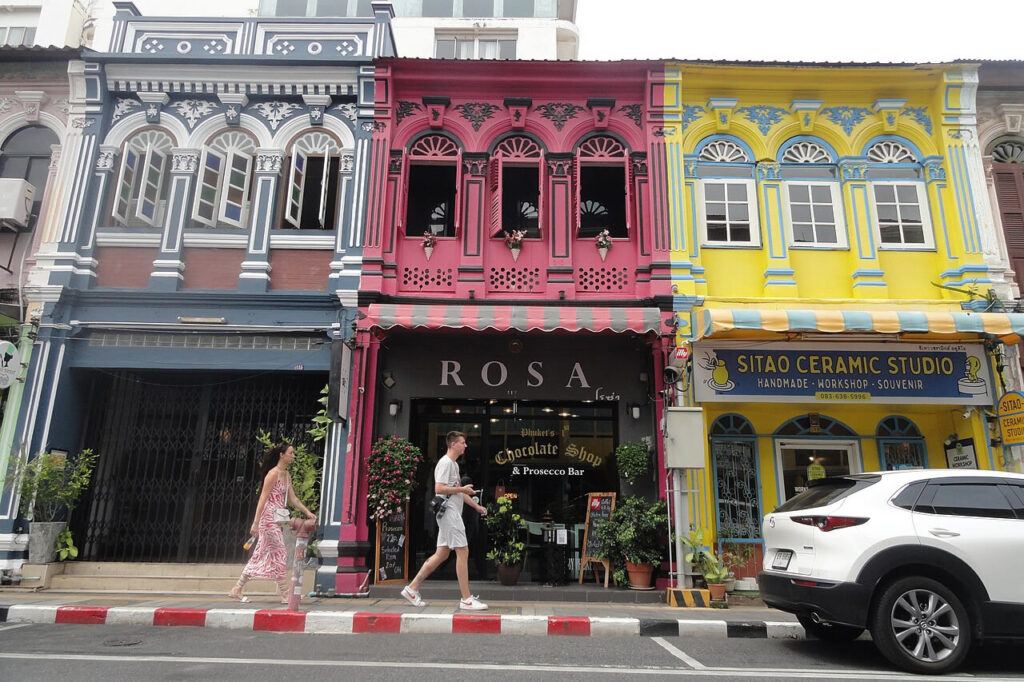
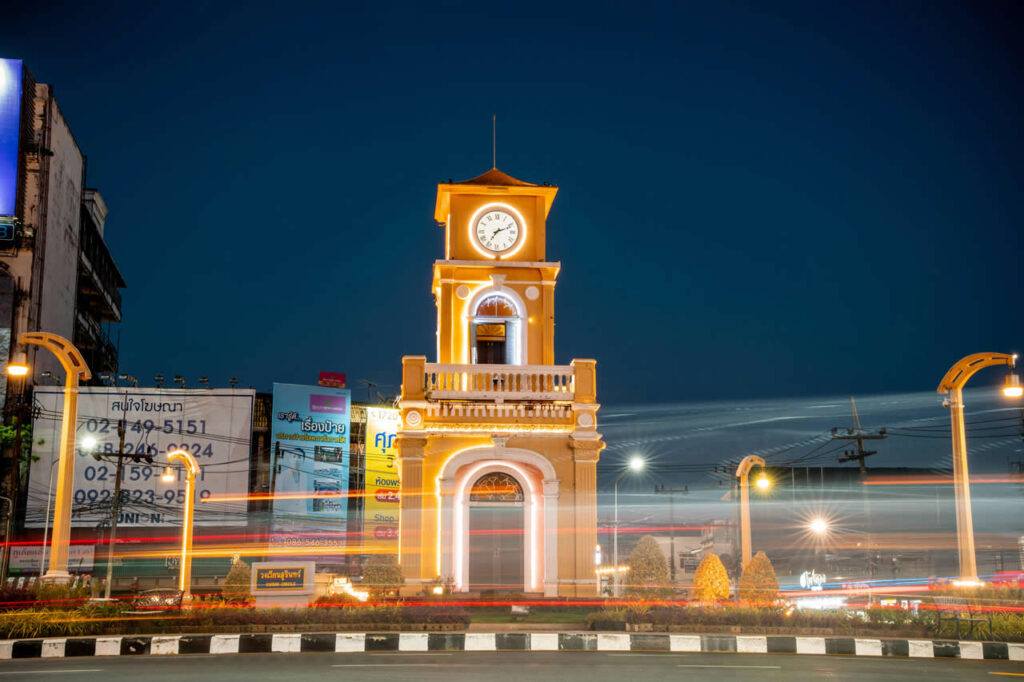
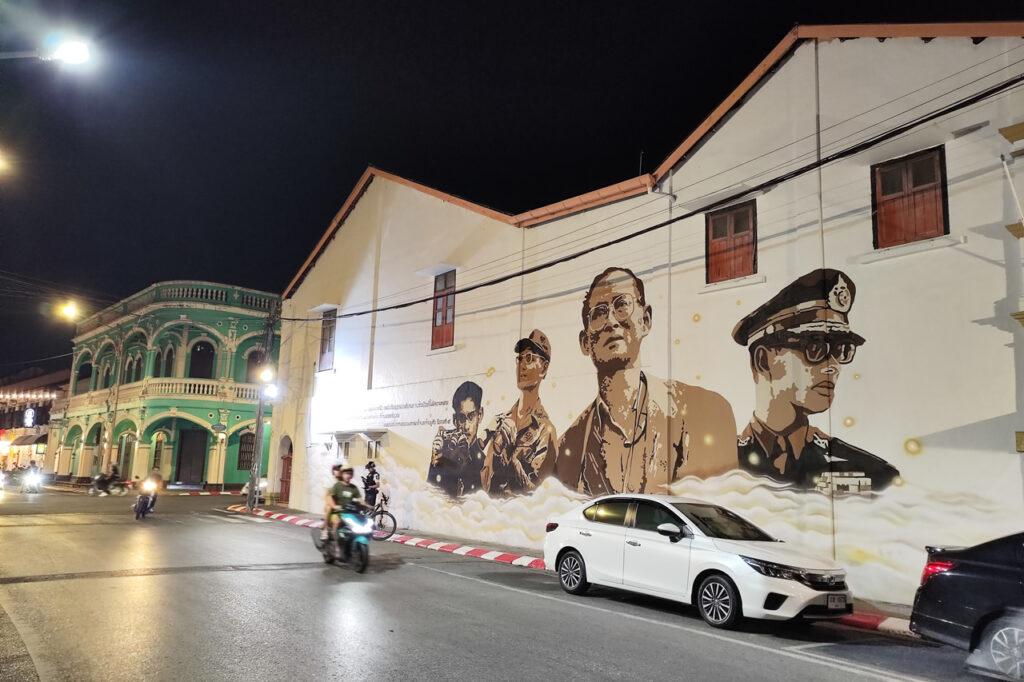
Phuket Old Town Streets (Architecture & Street Life)
📌 Colorful Sino-Portuguese shophouses, cafés, street art, and everyday city scenes.
✅ Best time: Early morning (07:00–09:00) or late afternoon (16:30–18:00)
Shot ideas: Shophouse facades, shutters and doors, café scenes, street details
Crowd strategy: Very quiet in the morning; busier on Sunday evenings
Shooting notes: Handheld works well; watch for harsh midday light
Equipment tip: Standard zoom (24–70mm equivalent)
Drone notes: ❌ Not recommended; dense urban area
Difficulty: ★☆☆☆☆ Easy
📍 Google Maps: Phuket Old Town
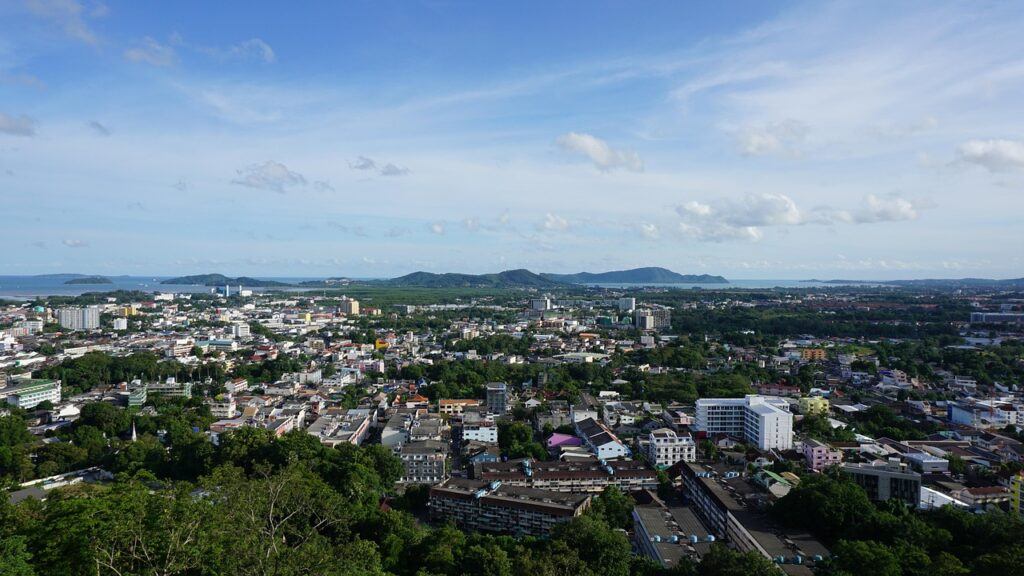
Khao Rang Viewpoint (City Panorama)
📌 Wide views over Phuket Town and surrounding hills from a short uphill drive.
✅ Best time: Late afternoon to sunset (17:00–18:30)
Shot ideas: City skyline, layered rooftops, wide landscape shots
Crowd strategy: Locals gather in the evening; weekdays are calmer
Shooting notes: Tripod useful at dusk for low light
Equipment tip: Wide-angle or standard zoom
Drone notes: ❌ Not recommended; residential area nearby
Difficulty: ★☆☆☆☆ Easy
📍 Google Maps: Khao Rang Viewpoint
Rang Hill (Evening City Views)
📌 Relaxed hilltop views with city lights and a casual local atmosphere.
✅ Best time: Sunset into early evening
Shot ideas: City lights, silhouettes, café-side scenes
Crowd strategy: Evenings are lively but manageable
Shooting notes: Handheld is fine; tripod helps after sunset
Equipment tip: Standard zoom or short telephoto
Drone notes: ❌ Not recommended
Difficulty: ★☆☆☆☆ Easy
📍 Google Maps: Rang Hill Phuket
Saphan Hin Park & Waterfront (Everyday Life)
📌 Joggers, food stalls, sea breeze, and relaxed local routines by the water.
✅ Best time: Late afternoon (16:30–18:30)
Shot ideas: Joggers, food vendors, sunset reflections, wide park scenes
Crowd strategy: Lively but spread out; mornings are quieter
Shooting notes: Handheld works well; good light near sunset
Equipment tip: Standard zoom or short telephoto
Drone notes: ❌ Not recommended; busy public area
Difficulty: ★☆☆☆☆ Easy
📍 Google Maps: Saphan Hin Park
Jui Tui Shrine (Festival Photography)
📌 One of Phuket Town’s most important Chinese shrines, especially during festivals.
✅ Best time: During the Phuket Vegetarian Festival or early morning
Shot ideas: Shrine details, incense smoke, rituals, decorations
Crowd strategy: Extremely busy during festivals; arrive early
Shooting notes: Be discreet and respectful; avoid intrusive close-ups
Equipment tip: Fast prime or standard zoom
Drone notes: ❌ Not allowed
Difficulty: ★★☆☆☆ Moderate (crowds)
📍 Google Maps: Jui Tui Shrine
📌 Phuket Town reveals itself in between the highlights. The most telling moments tend to happen on backstreets, in cafés, or during an unplanned stop at a market, where daily routines say more about the city than any single viewpoint ever could.
What & Where to Eat in Phuket Town
Food is one of Phuket Town’s biggest strengths. This is where many of the island’s long-standing restaurants are based, serving dishes shaped by Southern Thai and Chinese influences. Prices are generally lower than in beach areas, portions are generous, and the focus is on flavor rather than presentation.
Local Phuket dishes to try
Phuket has its own regional specialties, many of which are easiest to find in town rather than near the beaches.
- Mee Hokkien (หมี่ฮกเกี้ยน): Thick yellow noodles stir-fried with seafood, pork, and egg
- Oh Tao (โอ้ต้าว): A savory oyster-and-taro dish, usually cooked on a hot plate
- Moo Hong (หมูฮ้อง): Slow-braised pork belly with soy sauce, garlic, and spices
- Nam Prik Kung Siap: Chili dip served with dried shrimp and fresh vegetables
- Local dim sum: Small Chinese-style breakfast dishes, popular in the mornings
Street food & markets
Phuket Town is well known for its markets, which double as some of the best places to eat cheaply.
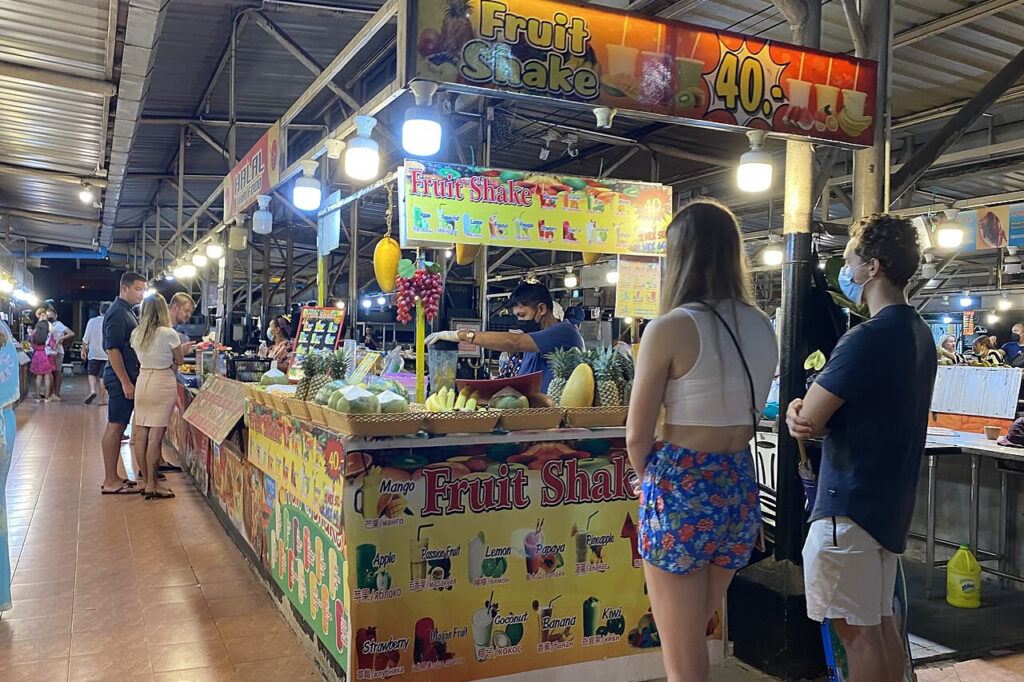
Photo by Sharon Hahn Darlin on Wikimedia Commons, licensed under CC BY 2.0
- Downtown Market (Talad Kaset): Fresh fruit, snacks, and everyday local food
- Sunday Walking Street Market (Old Town): A mix of street food, sweets, and regional specialties
- Weekend night markets: Good for grilled seafood, southern curries, and quick bites
📌 Expect most street food dishes to cost ฿40–฿80, with larger meals around ฿80–฿120.
Local restaurants & long-running spots
Many of Phuket Town’s best restaurants are family-run and have been around for decades. These are places locals return to regularly, often specializing in just a handful of dishes. Don’t be put off by simple interiors — quality here is about consistency, not décor.
📌 Typical meal prices in local restaurants range from ฿80–฿150.
Cafés & bakeries
Phuket Town has a strong café scene, especially around Old Town. You’ll find a mix of Thai-owned cafés, specialty coffee spots, and small bakeries that double as casual workspaces.
- Coffee prices: ฿60–฿100
- Western-style breakfasts and light meals: ฿120–฿250
Local Places to Eat in Phuket Town (With Typical Prices)
The table below highlights well-known local eateries in Phuket Town, focusing on what to order and what it typically costs. These are everyday places locals return to regularly, not tourist-only spots.
| Place / Area | What to Order | Why It’s Worth It | Typical Price |
|---|---|---|---|
| Mee Ton Poe (หมี่ต้นโพธิ์) | Mee Hokkien, Moo Satay | One of Phuket’s most famous local noodle shops, known for rich Hokkien-style noodles and long-standing consistency | ฿70–฿120 |
| Lock Tien Food Court | Moo Hong, Oh Tao, local snacks | Old-school food court with multiple Phuket specialties in one place | ฿60–฿120 |
| One Chun Café & Restaurant | Moo Hong, Nam Prik, southern curries | Traditional Phuket dishes served in a comfortable Old Town setting | ฿120–฿250 |
| Raya Restaurant | Moo Hong, crab curry | Historic Sino-Portuguese building with classic Peranakan-style cuisine | ฿180–฿350 |
| Go Benz Rice Porridge | Jok (rice porridge), crispy pork | Late-night favorite, especially popular after evening outings | ฿60–฿100 |
| Downtown Market (Talad Kaset) | Cooked meals, fruit, snacks | Everyday local market offering affordable, no-frills Thai food | ฿40–฿80 |
| Sunday Walking Street Market | Grilled seafood, sweets, street snacks | Best place to sample many local dishes in one evening | ฿40–฿100 |
| Tor Khao Restaurant | Southern Thai set dishes | Good introduction to spicier southern Thai flavors | ฿120–฿220 |
| Kopitiam by Wilai | Local breakfasts, coffee | Sino-Portuguese café serving Phuket comfort food | ฿80–฿150 |
| Local Dim Sum Shops (morning) | Steamed dim sum, tea | Chinese-influenced breakfast tradition, best enjoyed early | ฿20–฿40 per item |
Practical eating tips
- Many popular local places close early or sell out by afternoon
- Lunch is often busier than dinner at traditional spots
- Cash is still preferred at markets and small eateries
- Asking what the restaurant “does best” often leads to the right choice
Nightlife & Social Scene in Phuket Town
Phuket Town’s nightlife is low-key and local, especially when compared to Patong or the west-coast beach areas. Instead of clubs and large venues, the social scene here centers on casual bars, live music, night markets, and relaxed hangout spots where people actually talk and stay a while.
Bars & casual drinking spots
You’ll find small bars and beer-focused venues scattered around Old Town and nearby neighborhoods. These are places for a few drinks, not all-night parties, and many attract a mix of locals, expats, and long-stay visitors.
Live music & evening cafés
Live music is common in the evenings, especially in Old Town and around hilltop viewpoints. Performances are usually low-key, with acoustic sets or local bands rather than headline acts.
Night markets as social hubs
For many people, the social scene revolves less around bars and more around night markets. Food, casual drinks, and people-watching make these markets an easy way to spend an evening without committing to a nightlife itinerary.
Expat & long-stay meetups
Phuket Town has a small but established expat community. Social connections tend to form through regular cafés, gyms, language schools, or hobby-based meetups rather than dedicated nightlife venues.
Nightlife & Social Spots in Phuket Town (With Typical Prices)
The table below highlights bars, cafés, and evening hangouts that people actually go to in Phuket Town. These are relaxed venues focused on conversation, music, and casual drinks, with prices that reflect local rather than resort-style nightlife.
| Venue | What to Expect | Typical Prices | Vibe |
|---|---|---|---|
| Pig’s Eye Bar | Cocktails, craft beers, live music most nights | Cocktails ฿180–฿250 Beers ฿120–฿160 |
Relaxed, locally popular |
| Timmy’s Ice Cream & Bar | Bar-lounge atmosphere with music and desserts | Drinks ฿120–฿220 | Chill, social, mixed crowd |
| Artisan Bar & Bistro | Wine, cocktails, jazz or soft live music | Cocktails ฿200–฿300 Wine (glass) ฿220+ |
Calm, conversational, more refined |
| Sunday Walking Street Market | Street food, snacks, browsing, people-watching | Food ฿40–฿100 Drinks ฿30–฿80 |
Social, casual, lively but not rowdy |
| Weekend Night Markets | Food stalls, casual seating, relaxed crowds | Food ฿40–฿120 Beer ฿80–฿120 |
Local, budget-friendly evenings |
| Sugar Boat Café & Bar | Coffee by day, drinks and light music by night | Coffee ฿80–฿120 Drinks ฿150–฿250 |
Day-to-night hangout |
| Timber Hut Pub | Classic pub food with beers and spirits | Beers ฿120–฿180 | Expat-friendly, laid-back |
| Saphan Hin Waterfront (evenings) | Local strolls, food stalls, casual meetups | Snacks ฿30–฿80 Drinks ฿30–฿80 |
Very local, low-cost, relaxed |
❌ What it’s not
Phuket Town is not a party destination. If nightlife means clubs, beach parties, or late-night entertainment zones, Patong and nearby beach areas are better suited. Many people choose Phuket Town specifically because it offers distance from that scene.
✅ Phuket Town’s social life is about familiarity and routine rather than spectacle — the kind of places you return to because they feel comfortable, not because they stay open late.
Where to Stay in Phuket Town
Phuket Town offers a wide range of accommodation options, but where you stay matters more than what you book. Neighborhoods here differ noticeably in walkability, noise levels, pricing, and day-to-day convenience. Choosing the right area upfront can make the difference between a comfortable base and a frustrating stay.
Below is a practical breakdown of the main areas to stay in and around Phuket Town, including comparison tables with sample accommodations and realistic price ranges.
Old Town (Central & Walkable)
Old Town is the most popular area for short stays and first-time visitors. It’s walkable, full of cafés, restaurants, and historic streets, and works well if you don’t plan to drive much.
- ✅ Best for: Short stays, café culture, walkability
- Trade-offs: Limited parking, higher prices, busier on weekends
- Accommodation type: Boutique hotels, guesthouses, renovated shophouses
- Price range: ฿900–฿2,500 / night
Where to Stay in Old Town
📌 These properties suit short stays and first-time visitors who want to explore Old Town on foot.
| Property | Type | Why It’s Worth Considering | Typical Nightly Price |
|---|---|---|---|
| Casa Blanca Boutique Hotel | Boutique hotel | Quiet street, walkable Old Town location | ฿1,500–฿2,200 |
| The Memory at On On Hotel | Heritage hotel | Historic building, central location | ฿1,200–฿1,800 |
| Isara Boutique Hotel | Boutique hotel | Modern comfort near cafés and markets | ฿1,000–฿1,600 |
| Hotel Verdigris | Boutique hotel | Design-focused, quiet, upscale feel | ฿2,000–฿2,500 |
Talat Yai & Talat Nuea (Residential Core)
These neighborhoods sit just outside Old Town and offer a more local, lived-in feel. They’re practical, quieter, and better suited for longer stays while still being close to the center.
- ✅ Best for: Long-stay visitors, value seekers, everyday convenience
- Trade-offs: Less charm than Old Town, requires short rides
- Accommodation type: Condos, serviced apartments, local hotels
- Price range: ฿700–฿1,800 / night
Where to Stay in Talat Yai & Talat Nuea
📌 These options offer better value and a more residential feel while staying close to the town center.
| Property | Type | Why It’s Worth Considering | Typical Nightly Price |
|---|---|---|---|
| Blu Monkey Hub & Hotel | Modern hotel | Good value, central access | ฿900–฿1,500 |
| Bedline Hotel | Small hotel | Simple, clean, practical base | ฿700–฿1,200 |
| Pearl Hotel Phuket | City hotel | Larger rooms, parking available | ฿1,000–฿1,600 |
| Local serviced apartments | Serviced apartments | Better value for longer stays | ฿700–฿1,300 |
Outskirts & Suburban Areas (Kathu Road, Bypass Area, Near Hospitals)
Staying slightly outside the town center gives you more space and better value, especially if you have a car or motorbike. These areas are popular with families and expats who prioritize convenience over atmosphere.
- ✅ Best for: Families, car owners, longer stays
- Trade-offs: Not walkable, more residential than atmospheric
- Accommodation type: Modern condos, larger hotels, rental houses
- Price range: ฿800–฿2,000 / night
Where to Stay in the Suburban Areas
📌 Best suited for travelers with a car or motorbike who prioritize space, parking, and quieter surroundings.
| Property | Type | Why It’s Worth Considering | Typical Nightly Price |
|---|---|---|---|
| Hop Inn Phuket Town | Budget hotel | Reliable, parking-friendly | ฿700–฿1,000 |
| Ibis Styles Phuket City | Mid-range hotel | Consistent comfort, easy road access | ฿1,200–฿1,800 |
| Local condo rentals | Condos | More space, good long-stay value | ฿800–฿1,500 |
| Small residential hotels | Hotels | Quiet, less tourist traffic | ฿800–฿1,400 |
Near Saphan Hin & Waterfront Areas
This area offers a quieter environment close to parks and the sea, without the resort feel. It’s less touristy and works well for relaxed stays.
- ✅ Best for: Quiet evenings, jogging, local atmosphere
- Trade-offs: Fewer cafés and nightlife options
- Accommodation type: Mid-range hotels, serviced apartments
- Price range: ฿800–฿2,800 / night
Where to Stay near Saphan Hin & the Waterfront
📌 Ideal for relaxed stays near parks and the waterfront, away from Old Town crowds.
| Property | Type | Why It’s Worth Considering | Typical Nightly Price |
|---|---|---|---|
| Hotel Tide Phuket | Waterfront hotel | Sea views, close to Saphan Hin Park | ฿1,200–฿1,800 |
| Sinae Phuket Luxury Hotel | Upscale hotel | Quiet hillside retreat near Phuket Town with elevated views | ฿2,000–฿2,800 |
| Serviced apartments near Saphan Hin | Apartments | Practical longer-stay option near the park and waterfront | ฿800–฿1,400 |
| Small local hotels | Hotels | Calm, non-touristy area with good value | ฿800–฿1,300 |
Booking & Stay Tips
- Prices rise noticeably during high season (Nov–Feb) and major holidays
- Monthly rates are often far better value than nightly bookings
- Parking is limited in Old Town—factor this in if you rent a car
- Many long-stay visitors book short-term first, then move once they know the area
📌 Phuket Town rewards choosing the right neighborhood. A slightly less “pretty” area often delivers a more comfortable and affordable stay.
Shopping & Local Markets in Phuket Town
Shopping in Phuket Town is practical rather than flashy. Instead of large beachside malls or souvenir-heavy strips, the town offers a mix of everyday markets, local shopping streets, and a few modern malls that serve residents as much as visitors. It’s a good place to shop like a local, whether you’re looking for food, essentials, or small handmade items.
Photo by Sharon Ryomaandres on Wikimedia Commons, licensed under CC BY-SA 4.0
Local markets (everyday life)
Markets are where Phuket Town feels most alive. These aren’t tourist showcases but working markets used by locals for daily shopping.
- Downtown Market (Talad Kaset): A daytime market focused on fresh produce, cooked food, snacks, and household items. Busy in the mornings and early afternoons.
- Chillva Market (near town): A popular evening market with food stalls, clothes, casual bars, and live music. More social than practical.
- Weekend night markets: Rotating markets around town offering street food, clothing, and local crafts. Best visited in the early evening.
📌 Expect food prices from ฿40–฿120, with clothing and small items generally cheaper than in beach areas.
Old Town shops & small boutiques
Phuket Old Town has a growing number of independent shops selling handmade goods, local art, vintage clothing, and souvenirs that feel more curated than mass-produced. These are scattered along Thalang Road, Dibuk Road, and nearby streets.
📌 This area is better for browsing and discovering than for bargain hunting. Prices are fair, but the value is in uniqueness rather than discounts.
Shopping malls & modern retail
For air-conditioned shopping and convenience, Phuket Town has several established malls used primarily by locals.
- Central Phuket (Festival & Floresta): The island’s main shopping complex, with international brands, Thai retailers, cinemas, and a large food court.
- Lotus’s & Big C: Practical supermarkets for groceries, household items, and basics.
- Local shopping centers: Smaller malls and plazas scattered around town, often attached to supermarkets.
📌 These places are useful for longer stays or restocking essentials rather than sightseeing.
What to buy in Phuket Town
Phuket Town isn’t known for luxury shopping, but it’s a good place to find:
- Local snacks and southern Thai food products
- Fresh fruit, spices, and prepared meals
- Handmade crafts and small art pieces
- Casual clothing and basics at local prices
Bargaining & shopping tips
- Bargaining is normal at markets but not expected in malls or fixed-price shops
- Cash is still preferred at markets and smaller vendors
- Weekends are busier, especially in Old Town
- Morning markets offer better food selection; evening markets are more social
📌 Shopping in Phuket Town is less about souvenirs and more about daily life. If you enjoy markets, food stalls, and browsing without pressure, this is where Phuket feels most authentic.
Day Trips & Nearby Attractions from Phuket Town
One of Phuket Town’s biggest advantages is its central location. From here, you can reach beaches, viewpoints, islands, and cultural sites without staying in resort areas or committing to long travel days. Most popular day trips are doable within half a day, making Phuket Town a convenient base for exploring the island at your own pace.
West-coast beaches (half-day trips)
While Phuket Town itself isn’t on the beach, the island’s best-known beaches are easy to reach.
- Kata & Karon Beaches: Family-friendly beaches with swimming, cafés, and sunset views. About 30–40 minutes by car.
- Patong Beach: Lively and busy, best visited during the day if you’re curious but don’t want to stay overnight.
- Freedom Beach: More secluded and scenic, though access can require a boat or a steeper walk depending on conditions.
📌 Visiting beaches from town allows you to enjoy them without dealing with resort crowds or nightlife noise afterward.
Viewpoints & hilltop spots
Several viewpoints sit within easy reach of Phuket Town and offer wide views over the island.
- Khao Rang Viewpoint: Close to town, good for a quick sunset stop.
- Karon Viewpoint: One of Phuket’s most famous viewpoints, overlooking three bays.
- Monkey Hill: Popular with locals for exercise and morning walks, though caution is advised around wildlife.
📌 These spots work well as short outings rather than full excursions.
Cultural & historical sites
Phuket’s history extends well beyond its beaches, and many cultural sites are close to town.
- Wat Chalong: The island’s most important temple, about 20 minutes away.
- Phuket Old Town museums: Small museums and heritage houses explain the island’s tin-mining past and Chinese influence.
- Shrines and temples: Especially relevant during major festivals such as the Phuket Vegetarian Festival.
Islands & boat trips
Phuket Town provides access to several piers used for island excursions.
- Koh Khai & Coral Island: Short boat trips suitable for half-day snorkeling.
- Phi Phi Islands: Popular but crowded; best visited early or via smaller tours.
- Phang Nga Bay: Limestone cliffs, caves, and mangroves, often considered one of the island’s most scenic day trips.
📌 Boat tours typically run from piers on the east side of the island, which are easier to reach from Phuket Town than from west-coast beaches.
Nature & outdoor escapes
If you prefer greenery over beaches, several natural areas are nearby.
- Sirinat National Park (north): Coastal park near the airport with quieter beaches.
- Bang Pae Waterfall: A short jungle walk and freshwater pool, best after rainfall.
- Mangrove kayaking (east coast): Calm, scenic paddling through protected waterways.
How far is everything?
- Most beaches: 25–45 minutes
- Temples & viewpoints: 15–30 minutes
- Boat piers (east coast): 15–25 minutes
- Phang Nga Bay tours: Half-day to full-day
📌 Staying in Phuket Town makes it easy to explore widely without feeling rushed. You can pick one destination per day, return to a quieter base in the evening, and avoid hopping between hotels just to see different sides of the island.
Itineraries for Phuket Town
These sample itineraries are designed for travelers who want to experience Phuket Town without rushing or overplanning. They focus on walkable areas, food, and easy day trips rather than packed sightseeing schedules. All itineraries assume Phuket Town as your base.
1-Day Phuket Town Loop (Essential)
📌 Food, Old Town streets, and everyday city life without rushing.
Morning – Old Town Walk
- Coffee or breakfast in Phuket Old Town
- Walk Thalang Road, Dibuk Road, and side streets
- Optional short stop at a heritage house or small museum
Lunch
- Local restaurant or Old Town food court
- Light, unhurried meal (this isn’t a long lunch destination)
Afternoon – Slow Exploration
- Café hopping or rest during peak heat
- Short drive to Khao Rang Viewpoint or a neighborhood temple
Evening
- Dinner at a local restaurant
- Optional market visit or casual bar
Typical spend: ฿1,000–฿1,800 per person
✅ Best for: Short stays, first-time visitors, relaxed pacing
2-Day Phuket Town + Beach Balance
📌 Town comfort paired with one easy island highlight.
Day 1 – Phuket Town City Life
- Follow the 1-day Phuket Town loop above
- Optional evening market or live-music café
Day 2 – West Coast Beach Half-Day
- Morning: Drive to Kata or Karon Beach
- Lunch: Casual beachfront restaurant
- Afternoon: Return to town, rest or café time
- Evening: Simple dinner near accommodation
Typical spend: ฿1,800–฿3,000 per person (depending on transport)
✅ Best for: Couples, first-time visitors, easy pacing
3-Day Phuket Town + Nature or Islands (Relaxed)
📌 Phuket Town as a base, not a checklist.
Day 1 – Old Town & Local Routines
- Old Town walking, food, cafés
- Evening market or quiet bar
Day 2 – Nature or Scenic Trip
- Option A: Phang Nga Bay (half- or full-day)
- Option B: Viewpoints + waterfalls
- Evening back in town
Day 3 – Free Day
- Morning café or market
- Optional short beach visit or shopping
- Pack or wind down without pressure
Typical spend: ฿2,500–฿4,000 per person
✅ Best for: Slow travelers, repeat visitors, long weekends
📌 Phuket Town works best when it feels like a base rather than a destination you’re trying to “complete.”
Cost Snapshot: Phuket Town
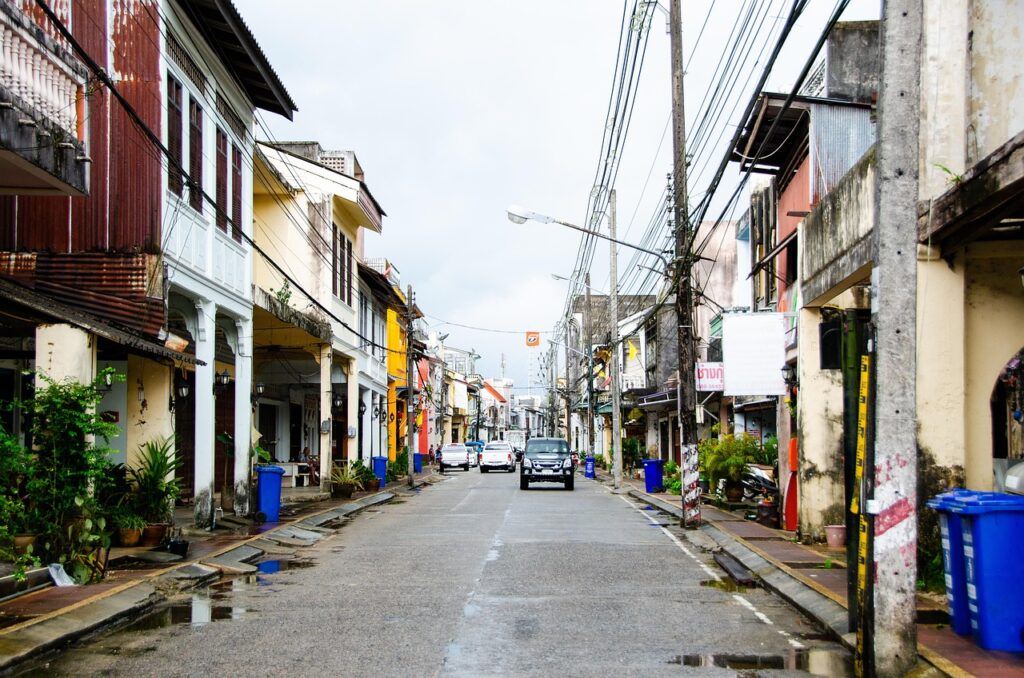
Phuket Town is noticeably more affordable than Phuket’s beach areas, especially for food, accommodation, and day-to-day expenses. While island-wide prices rise during high season, staying in town helps keep costs predictable and avoids many resort markups.
Overall affordability
- Cheaper than Patong, Kata, and Karon
- Comparable to mid-range Thai cities, with slightly higher transport costs
- Best value for travelers who don’t need beachfront accommodation
Typical Daily Costs in Phuket Town
The table below gives a realistic idea of what most visitors and long-stay travelers spend per day when based in Phuket Town.
| Expense Category | Typical Cost (THB) | Notes |
|---|---|---|
| Street food & local meals | ฿40–฿120 per dish | Markets and local shops |
| Sit-down local restaurant | ฿80–฿150 | Southern Thai & Chinese-style food |
| Coffee | ฿60–฿100 | Specialty cafés slightly higher |
| Beer (local bar) | ฿80–฿150 | Cheaper than beach bars |
| Motorbike rental | ฿200–฿300 / day | Weekly/monthly discounts common |
| Taxi / Grab (short ride) | ฿100–฿250 | Depends on distance & time |
| Budget accommodation | ฿700–฿1,200 / night | Guesthouses, budget hotels |
| Mid-range accommodation | ฿1,200–฿2,000 / night | Boutique hotels, serviced apartments |
| Attractions & small fees | ฿0–฿200 | Many sights are free |
Estimated Daily Budgets
- Budget traveler: ฿1,200–฿1,800
- Mid-range traveler: ฿1,800–฿2,800
- Comfort-focused stay: ฿2,800–฿4,000+
📌 These estimates assume Phuket Town as your base and exclude full-day boat tours.
Money-saving tips
- Eat where locals eat—Old Town and markets offer the best value
- Rent a motorbike if staying more than a couple of days
- Avoid peak holiday periods if budget matters
- Monthly accommodation rates are often far cheaper than nightly stays
✅ Phuket Town offers one of the best cost-to-comfort ratios on the island. You may give up beachfront views, but you gain lower prices, better food value, and a more livable day-to-day rhythm.
Want a realistic Thailand trip budget?
Use the Thailand Travel Cost Calculator — just enter your destinations, trip length, and travel style to get instant, accurate per-person and group trip costs in both THB and USD.
📌 Want a deeper breakdown of what things cost across Thailand by region and style?
Read the full Cost of Travel in Thailand guide.
Digital Nomad Friendliness in Phuket Town
Phuket Town isn’t a classic digital nomad hotspot in the Chiang Mai sense, but it works well for remote workers who value stability, good infrastructure, and a more local routine environment. The pace is slower, distractions are fewer, and long-term living is easier than in beach areas.
Internet quality & reliability
Internet infrastructure in Phuket Town is generally solid.
- Fiber connections are widely available in condos, apartments, and hotels
- Speeds of 200–500 Mbps are common in modern buildings
- Mobile data coverage is strong throughout town, suitable as a backup
📌 Power outages are rare and usually short when they occur.
Coworking spaces & work-friendly cafés
Phuket Town has a small but functional coworking scene, complemented by plenty of cafés that tolerate longer stays.
- Coworking spaces: A handful of spaces offer desks, meeting rooms, and reliable WiFi, mainly used by locals and long-stay expats
- Cafés: Old Town and surrounding neighborhoods have many cafés suitable for laptop work, especially during mornings and early afternoons
📌 Cafés tend to be quieter outside peak tourist hours, making Phuket Town more work-friendly than beach areas.
Cost of living for remote workers
Compared to beach destinations on the island, Phuket Town offers noticeably better value.
- Long-term condo rentals are easier to find and more affordable
- Food costs remain reasonable if you eat locally
- Transport costs are manageable with a motorbike or regular routes
📌 For digital nomads staying several weeks or longer, monthly expenses are far more predictable here than in resort zones.
Long-term rentals & visas
Phuket Town works best for nomads planning medium to long stays.
- Monthly rentals are common and often negotiable
- Condos and serviced apartments cater to longer-term residents
- Visa options depend on your situation, but town-based living simplifies paperwork and renewals
📌 Phuket Town is less transient than beach hubs, which can make longer stays feel more settled and less disruptive.
Who Phuket Town suits best
- Remote workers who prefer structure over nightlife
- Nomads working regular hours rather than chasing sunsets
- People combining work with family life or long stays
- Those who want easy access to beaches without living in resort zones
❌ It’s less suitable if your ideal workday involves beach clubs, frequent social events, or a highly nomad-centric scene.
✅ Phuket Town favors routine, reliability, and comfort. If your work benefits from fewer distractions and a livable environment, it’s one of the more practical bases on the island.
Family-Friendliness in Phuket Town
Phuket Town works well for families who prioritize everyday convenience, schooling options, and a calmer environment over beachfront living. While it doesn’t offer resort-style kid entertainment, it provides a more stable and livable setup for families staying longer than a short holiday.
Safe areas & day-to-day living
Phuket Town is generally safe and well suited to family routines.
- Residential neighborhoods feel settled and community-oriented
- Traffic is present but more predictable than in resort zones
- Streets around schools, parks, and local neighborhoods are calmer than beach areas
📌 Many families choose Phuket Town specifically to avoid the noise and crowds associated with nightlife-heavy districts.
Schools & education access
Phuket Town is a practical base for families with school-age children.
- Several international and bilingual schools are within reasonable driving distance
- Local Thai schools are also available for long-term residents
- After-school activities, tutoring, and language schools are easy to find
📌 Living in town reduces daily commute times compared to staying near the beaches.
Parks, activities & kid-friendly spaces
While Phuket Town doesn’t have theme parks or beach clubs, it offers everyday spaces where children can unwind.
- Saphan Hin Park: Popular for jogging, cycling, playgrounds, and family outings
- Smaller neighborhood parks and open spaces scattered around town
- Cafés and casual restaurants are generally welcoming to children
📌 For beaches, short trips to Kata, Karon, or other west-coast beaches work well as occasional family outings.
Healthcare & family services
Access to healthcare is one of Phuket Town’s strengths for families.
- Major hospitals and clinics are located in or near town
- Pharmacies are easy to find and well stocked
- Pediatric care and specialist services are readily available
📌 This level of access is reassuring for families staying medium to long term.
Practical considerations for families
- A car is helpful for school runs and activities, though not essential
- Condos and houses offer better value in town than near beaches
- Daily life revolves more around routine than entertainment
❌ Families looking for resort-style kids’ clubs, beachfront pools, or holiday-focused amenities may find beach areas more suitable.
✅ Phuket Town suits families who want a normal, functional lifestyle with easy access to schools, healthcare, and parks. It’s less about keeping children entertained all day and more about creating a comfortable base for daily life.
Local Services & Emergency Info in Phuket Town
Phuket Town functions as the island’s administrative and service center, which makes access to essential services straightforward. Hospitals, government offices, and everyday support services are concentrated in and around town, making this one of the most practical bases on Phuket for longer stays or family travel.
Photo by JOAQUIN MATURANA CONTTI on Wikimedia Commons, licensed under CC BY-3.0
Emergency numbers (nationwide)
- Police: 191
- Tourist Police: 1155
- Ambulance / Medical Emergency: 1669
- Fire Department: 199
📌 Save these numbers locally, especially if you’re staying outside resort areas.
Hospitals & medical care
Phuket Town offers some of the island’s best access to healthcare.
- Bangkok Hospital Phuket: Large private hospital with English-speaking staff and international standards
- Vachira Phuket Hospital: Government hospital, more affordable, longer wait times
- Mission Hospital Phuket: Mid-range private option, popular with expats
Clinics and pharmacies are widespread, and most pharmacies can handle minor issues without a doctor visit.
📌 Private hospitals are expensive without insurance. Travel or health insurance is strongly recommended.
Police & support services
- Phuket Town Police Station: Handles general incidents and reports
- Tourist Police offices: Assist with theft reports, disputes, and documentation for insurance
📌 Tourist Police staff usually speak English and are helpful with non-emergency issues.
Immigration & government offices
- Phuket Immigration Office: Located north of town; handles visa extensions, reporting, and documentation
- Post offices & couriers: Thailand Post, Kerry, Flash, and other courier services are easy to find
- Banks: All major Thai banks have branches in Phuket Town
📌 Expect queues at immigration and banks during peak hours and after holidays.
Pharmacies & everyday services
- Pharmacies are plentiful and usually open late
- Many medications are available without prescriptions
- Supermarkets, hardware stores, and service shops are easy to access
📌 For minor health issues, pharmacies are often the fastest first stop.
Practical safety tips
- Traffic accidents are the most common risk; drive cautiously
- Use helmets on motorbikes and seatbelts in cars
- Keep copies of passports and visas (digital copies are fine)
- Emergency response is reliable but faster near main roads and town centers
📌 Phuket Town’s strength is reliability. When something goes wrong, you’re closer to help here than in most resort areas.
FAQs About Phuket Town
These quick answers cover common questions that don’t fit neatly into the sections above.
📌 Is Phuket Town worth staying in if I don’t plan to go to the beach every day?
Yes. Phuket Town works well if you’re more interested in food, culture, and everyday Thai life. Beaches are easy day trips, but the town itself offers enough variety to stay engaged without relying on them daily.
📌 How many days are enough for Phuket Town itself (not including beach trips)?
One to two full days is usually enough to explore Old Town, markets, cafés, and viewpoints at a relaxed pace. Longer stays make more sense if you’re using Phuket Town as a base rather than treating it as a sightseeing stop.
📌 Is Phuket Town walkable, or do I need transport?
Old Town is very walkable, but the wider city is spread out. For anything beyond central areas, a motorbike, car, or ride-hailing app makes life much easier.
📌 Does Phuket Town feel touristy?
Compared to Patong or west-coast beaches, no. Tourism exists, especially in Old Town, but daily life here is still centered around residents, schools, offices, and local businesses.
📌 Is Phuket Town suitable for long stays compared to beach areas?
Yes. Many long-stay visitors choose Phuket Town for its lower costs, better access to services, and more stable day-to-day rhythm. It’s less about scenery and more about livability.
📌 What’s the Phuket Vegetarian Festival, and should I plan around it?
The Phuket Vegetarian Festival is a major annual event with parades, rituals, and large crowds centered around Phuket Town. It’s culturally significant and intense, and it noticeably affects traffic, accommodation availability, and noise levels during the festival period. Some visitors plan specifically to experience it, while others prefer to avoid town during those days.
Related Guides & Further Reading
Travel in Thailand is easier when you have the right balance of practical advice and destination inspiration. Below you’ll find useful travel resources to help you prepare smoothly, plus nearby destinations worth adding to your journey.
Thailand Travel Essentials: Plan Smarter, Travel Easier
Need tips on visas, health, culture, or everyday logistics? My hub brings all the key guides together in one place: Explore the Thailand Travel Guide
Your Next Thai Adventure Awaits
Looking for where to go next? These nearby or complementary places pair well with your current destination and are worth your time in the Land of Smiles.
- Hat Yai Travel Guide: Best Things to Do, Where to Eat, Shopping & Day Trips
- Krabi Travel Guide: Best Beaches, Outdoor Adventures & Where to Stay
- Phang Nga Bay – Sea Caves, Limestone Cliffs & Kayaking Adventures
💬 If you’re planning a trip or stay and still have questions, leave a comment below.